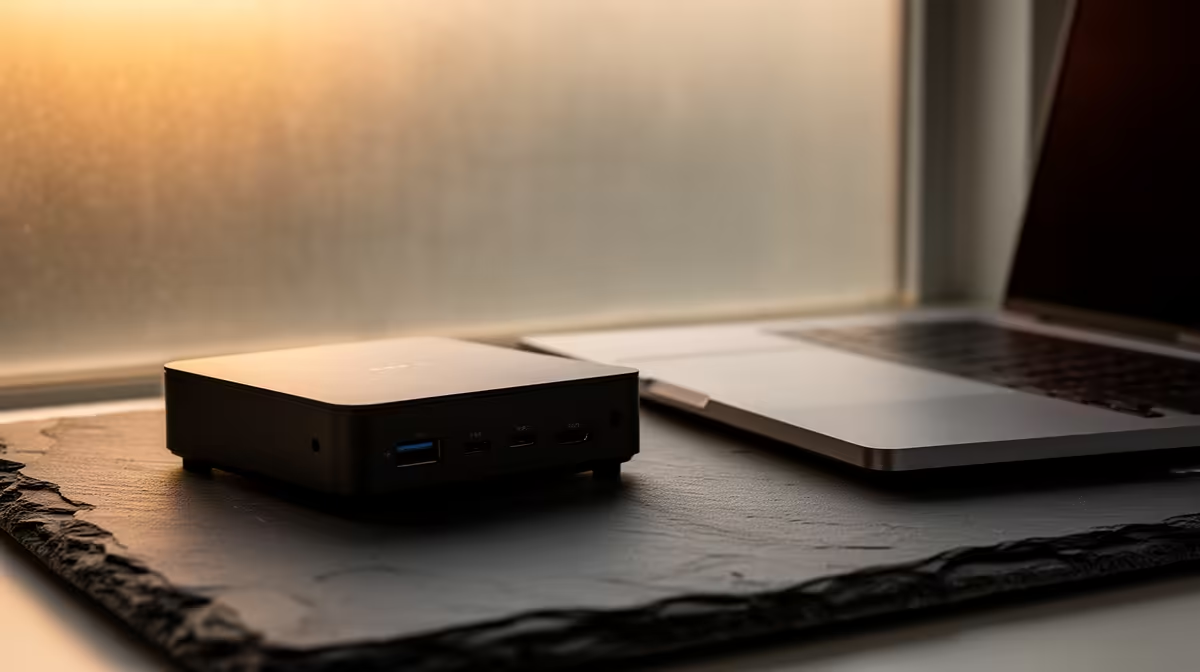
A mini PC for a compact rig that moves between res, the library and home over the holidays rewards the right CPU class, quiet cooling and enough RAM far more than the flashiest chip. Here is where SA buyers should spend and where they can save.
Quick Answer
For a travel-friendly study setup, a compact mini PC (R6,000-R12,000) with a mid mobile CPU, 16GB RAM and an NVMe SSD is the no-regret start — small, quiet and capable for assignments, research and media. Upgrade the RAM and SSD later rather than overbuying the CPU now.
Where CPU class earns the spend
For browsing, office, streaming and study, a mid mobile CPU (6-8 cores) is silent and smooth. Step up the CPU only if you compile code, juggle dozens of tabs, or do light creative work — then the extra cores cut wait times you actually feel. For pure media and office use, the higher chip mostly adds heat and fan noise.
RAM and storage matter more than headlines
Most mini-PC sluggishness comes from too little RAM or a slow drive, not the CPU. 16GB is the comfortable floor for study and multitasking; 32GB for heavier work. An NVMe SSD (a 1TB drive is R1,400-R2,200 if you add your own) keeps the whole machine feeling fast. Many mini PCs let you upgrade RAM and storage yourself, so buy modest and grow.
SA buying checks
Confirm the cooling design (passive or large heatsink for silence), the RAM and SSD are user-upgradeable, and the ports cover your monitor and peripherals (USB-C with video out is handy for a single-cable desk). Buy locally for the warranty path.
FAQ
Do I need a high-end CPU in a mini PC?
Only for heavy multitasking, code compiling or light creative work. For media, office and study, a mid mobile CPU is silent and fast enough. Spend the saving on RAM and an SSD instead.
How much RAM should a mini PC have?
16GB is the comfortable floor for study and everyday multitasking; 32GB for heavier work. Too little RAM is the most common cause of a mini PC feeling slow, more than the CPU.
Can I make a mini PC quieter?
Buy one designed for it — passive or large-heatsink cooling. A quiet mini PC (R7,000-R14,000) stays near-silent under light load, where a cheap fan-cooled unit whines whenever it warms up.
RAM (16GB+) and an NVMe SSD before chasing the top CPU — that combination is what keeps a mini PC feeling fast, and most units let you upgrade both yourself.