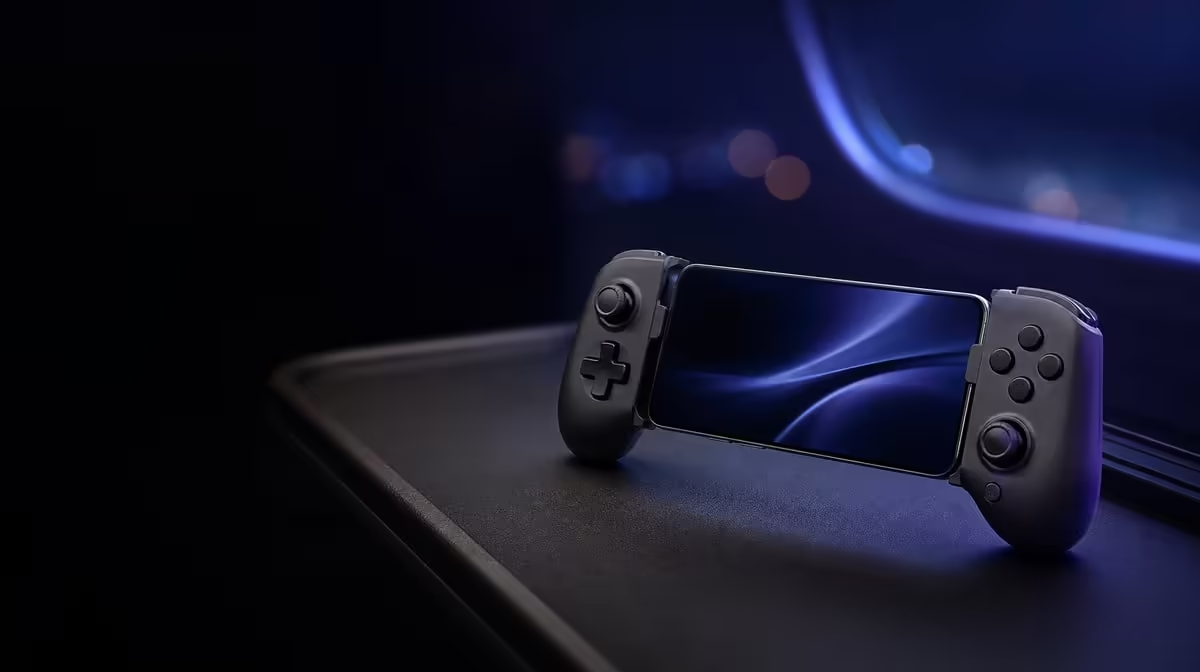
A controller that feels perfect at home can be a nuisance on the move. The best mobile controller format for travel and home depends on how often it is packed, where the phone sits and whether the same hardware serves other devices. The R599 GameSir Pocket Taco makes a clear trade: a 62.2g vertical phone layout for portability instead of a broad full-size grip.
Quick Answer
Use a compact vertical controller for portrait phone games, commuting and quick setup. Choose a larger gamepad when it mostly stays at home, a two-grip shape suits your hands, or several supported devices share it. At R599, the Pocket Taco favours the travel side while remaining usable in a simple home phone setup.
🚆 Travel rewards fewer pieces
Mobile play often starts in a constrained space: a train seat, campus bench or waiting area. A vertical controller keeps the phone and controls together, reducing the need for a separate stand. The Pocket Taco's 62.2g mass also limits the extra weight added to a daily bag.
Bluetooth fits this routine because the phone already contains the connection. Pair before leaving, confirm that the game recognises input and charge the 600mAh battery. A controller that requires troubleshooting during a short break has missed the point of portability.
Packing remains important. Protect controls from pressure, keep the silicone phone pads clean and avoid storing the device where grit can collect on contact surfaces. Smart Power On-Off can help manage idle periods, but you should still finish sessions and check that the controller powers down.
Evetech's gaming controller range includes mobile and broader formats for comparing bag space with grip size.
🏠 Home play changes the priorities
At home, packed size loses importance. A full-size controller can rest beside the screen or PC and offer a familiar grip across long sessions. A phone stand can separate display weight from the hands, which may improve comfort even if the controller itself weighs more.
That does not make the Pocket Taco unsuitable indoors. It remains useful when the main games use portrait orientation and the player wants the screen inside the same handheld object. The decision turns on preferred posture: phone attached between the hands, or phone placed independently while both palms hold a conventional pad.
Home setups may also include several devices. A tri-mode controller can be valuable when one pad regularly switches between supported systems. Bluetooth-only hardware is simpler when the phone is its permanent partner. Count the connections you will use, not the modes printed on a specification list.
Storage at home still deserves thought. A controller kept within reach is more likely to be charged and used than one buried in a travel bag. Give it a place where the mount is not held open and the controls are not pressed. This also makes the transition from a commute to an evening session quicker.
Sound and shared-space etiquette can affect format indirectly. In a lounge or res room, holding the phone inside the controller keeps the display personal and makes it easy to move. A desk setup with headphones, a stand and a fixed screen can support the wider pad without occupying common space.
Other gaming accessories can reshape the home choice. A stand, larger display or desk arrangement may remove the need for a controller-mounted phone entirely.
✋ Comfort follows balance and duration
Low weight is helpful, but hand comfort does not follow a single measurement. The phone contributes most of the mass in a Pocket Taco setup. Centre it carefully and confirm that the silicone pads cushion contact without the case forcing an uneven position.
Use normal control pressure over a soft surface during the first fit test. If the phone shifts, stop and correct the mount. Squeezing harder can turn a small alignment problem into hand fatigue.
A full-size pad distributes contact across larger grips, which some hands prefer. The trade is extra volume during travel and another place for the phone. Short portable sessions may favour the lighter combined object, while long home sessions may benefit from separating screen and controller.
Test both postures rather than imagining them. For the mounted-phone position, play for the length of a typical commute while seated. For the separate-screen position, place the phone at eye level and use the pad from your normal chair. Notice wrist angle, neck position and whether the phone remains readable without leaning forward.
The answer may change by game. A portrait title built around quick taps can suit the Pocket Taco's vertical stance, while a long landscape session may feel better with a stand and conventional controls. Choose around the titles that occupy most of your time, not an edge case played once.
Whichever format you choose, keep wrists relaxed and take breaks. Change position before discomfort becomes persistent. A travel-friendly controller should not be expected to override individual ergonomics.
🧭 Choose one main use, then check the second
Trying to make travel and home equally important can produce an unfocused purchase. Decide where most sessions will happen. If the controller leaves the house several times a week, packing, fast pairing and low mass deserve priority. If it stays near one screen, grip area and cross-device flexibility can move ahead.
Then test the secondary setting for acceptable compromise. The Pocket Taco can come home and play on a phone, but it remains a vertical Bluetooth controller. A full-size pad can travel, but it occupies more bag space and may need a phone support solution.
Use a two-week view of the routine. Count expected travel sessions, home sessions and device changes. A controller serving eight short commutes and one home evening should be judged differently from one used at a desk every night and carried once a month.
Charging belongs in that schedule. The Pocket Taco's 600mAh battery needs a regular opportunity to recharge, while Smart Power On-Off can reduce idle waste between bursts of play. A home charging location can support travel use, but automated power behaviour should never replace checking the battery before departure.
At R599, the Pocket Taco is an accessible way to favour mobility. Its Built-In Keyboard Mode can assist supported phone commands or text, while Smart Power On-Off suits repeated starts and stops. Neither feature changes the basic format decision.
Check current pricing and availability before buying. Evetech's popular accessory collection can help identify other pieces that would travel with the controller or remain at home.
Frequently Asked Questions
Which format works best on a daily commute?
A compact phone-mounted controller usually creates the fewest separate pieces. The Pocket Taco's 62.2g vertical form is designed around that travel priority.
Why might a full-size gamepad be better at home?
Its broad grips may suit longer sessions, and a separate phone stand can remove screen weight from the hands. Packed volume is less important in a fixed setup.
Does Bluetooth make travel easier?
It can, because the phone already contains Bluetooth and no separate receiver is needed for that connection. Game compatibility and battery charge still need checking before departure.
Do silicone pads guarantee safe phone fit?
They cushion contact and support a stable fit when the phone is aligned correctly. Case shape, dimensions and camera placement can still affect compatibility.
Can one controller genuinely cover both places?
Yes, if its main format suits most sessions and the secondary environment accepts the compromise. Define which location matters first rather than demanding perfection in both.
Ready to choose around the place you play most?
Explore Evetech's current controller options and decide whether travel simplicity or a fuller home grip deserves priority in your setup.