

RTX 4060 Ti Throttling Under Load: SA Temperature Guide
RTX 4060 Ti Throttling Under Load: Temperature. Everything you need to know with SA pricing, step-by-step instructions & expert recommendations.
Read moreNVMe SSD heat management guides you to prevent throttling and optimize power use. Learn safe temps, cooling options, and BIOS tweaks for consistent performance 🔥⚡

You're in the final moments of a nail-biting competitive match, your PC is humming, and then it happens… a sudden, infuriating stutter. You blame your GPU or CPU, but the real culprit might be silent and sneaky: your super-fast NVMe SSD is overheating. Effective NVMe SSD heat management isn't just for extreme overclockers; it's essential for any South African gamer or creator who demands consistent, top-tier performance from their rig. Let's dive in. ⚡
Modern NVMe SSDs are performance beasts, transferring data at speeds that were pure science fiction a few years ago. But all that speed generates serious heat, especially in the controller chip. When the drive gets too hot, it hits a safety feature called thermal throttling.
Think of it like a safety valve. To prevent damage, the drive intentionally slows itself down... a lot. Suddenly, your lightning-fast storage feels sluggish. Consistent high temperatures can also potentially shorten the lifespan of the drive's memory cells. Proper NVMe SSD heat management ensures you get the performance you paid for, day in and day out.
How do you know if your drive is running too hot? The symptoms can be subtle and often mistaken for other issues.
This is the most common sign. You might notice:
While older 2.5-inch SATA SSDs didn't face this issue as much, the compact M.2 form factor and incredible speed of NVMe drives make them more susceptible to heat build-up.
You don't have to guess! Free tools like CrystalDiskInfo or HWMonitor can show you your SSD's real-time temperature. For most NVMe drives, anything consistently above 70°C under load is entering the caution zone, where throttling might begin. Check your specific model's safe operating temperatures.
The good news is that keeping your drive cool is straightforward. A few simple steps can make a massive difference, ensuring your system remains stable and responsive.
Many motherboards come with built-in M.2 heatsinks. If yours has one, use it! It's a simple strip of metal (usually aluminium) with a thermal pad that sits on top of the SSD, pulling heat away from the critical components. If your board or drive didn't include one, they are an affordable and highly effective upgrade. This is especially true for cutting-edge Gen 5 NVMe drives, which run hotter due to their incredible speeds.
A heatsink can only dissipate heat if there's cool air to carry it away. Ensure your case has good airflow:
If your motherboard has multiple M.2 slots, their location matters. A slot tucked directly under a hot, power-hungry graphics card will receive a lot of radiant heat. If possible, choose a slot further away from the GPU or in a location that gets more direct airflow from your case fans. When you're investing in performance storage, like a high-capacity 2TB Gen 5 model, giving it the best possible cooling environment is a smart move.
Ultimately, keeping your NVMe SSD cool is a simple but crucial part of building and maintaining a high-performance PC. By understanding the causes and solutions, you can easily avoid thermal throttling and unlock the full, blistering potential of your storage. 🚀
Ready to Beat the Heat? A cool SSD is a fast SSD. Whether you're upgrading to a new drive with a built-in heatsink or looking for your first NVMe, we've got you covered. Explore our great SSD deals and find the perfect storage to keep your rig running at peak performance.
Most NVMe SSDs are safe up to about 70°C; sustained temps above 70–80°C can cause thermal throttling. Check the manufacturer's specs.
Thermal throttling happens when the drive reaches high temps; the firmware cuts performance to protect hardware. Improve airflow or add cooling.
Yes. M.2 heatsinks reduce surface temps and hotspots, lowering the chance of nvme ssd thermal throttling during sustained loads.
Many UEFI/BIOS and OS tools let you adjust PCIe power states and drive power policies to balance performance and power draw.
Use tools like CrystalDiskInfo, HWInfo, or vendor utilities to read SMART temps and spot nvme throttling symptoms early.
Yes. Reducing voltage or limiting power draw can cut heat and reduce power consumption but may lower peak speeds. Test stability.
Combine case airflow, M.2 heatsinks, strategic drive placement, and optional NVMe cooling brackets for the best nvme cooling solutions.
RTX 4060 Ti Throttling Under Load: Temperature. Everything you need to know with SA pricing, step-by-step instructions & expert recommendations.
Read more
Apex Legends Max Settings on RTX 4080. Tested & verified settings for best FPS and visual quality on SA hardware budgets.
Read more
GPU Buying Guide. Everything you need to know with SA pricing, step-by-step instructions & expert recommendations.
Read more
GPU Terms Guide. Everything you need to know with SA pricing, step-by-step instructions & expert recommendations.
Read more
AMD Adrenalin Download & Setup Guide: GPU. Clear setup instructions with SA-specific considerations, troubleshooting tips & recommended components.
Read more
Back-to-School GPU Buying Guide. Everything you need to know with SA pricing, step-by-step instructions & expert recommendations.
Read more
Snapdragon X2 NPU Explained: How 80 TOPS Changes. Plain-English explanation of what it means, why it matters & how it affects your buying decisions in SA.
HBM? High Bandwidth Memory Used in GPUs and AI. Plain-English explanation of what it means, why it matters & how it affects your buying decisions in SA.
How much should you spend on sim racing accessories in South Africa for a realistic setup? We break down budgets by quality tiers, so you buy smart gear and avoid overspending 🎮💸

G-Sync and FreeSync? Variable Refresh Rate. Plain-English explanation of what it means, why it matters & how it affects your buying decisions in SA.

AMD Laptop: Value. SA-focused analysis with local pricing data, real-world insights & actionable buying advice.

How MacBook Neo Handles 30+ Chrome Tabs with Only. SA-focused analysis with local pricing data, real-world insights & actionable buying advice.

Why Apple Put 8GB RAM in MacBook Neo: The A18 Pro. SA-focused analysis with local pricing data, real-world insights & actionable buying advice.
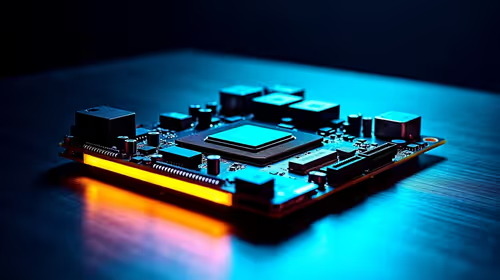
Upgrade your work laptop with a New Motherboard. Step-by-step instructions with SA-specific tips, common pitfalls to avoid & expert recommendations.

Maintain wired headset — Checklist: • inspect cables • clean earpads • store properly 🔧🎧 Practical steps to preserve sound quality and avoid premature replacements.

Fix crackling headset fast: step-by-step checks for cables, connectors, drivers, and settings to remove static or distorted audio on wired headsets 🎧⚙️
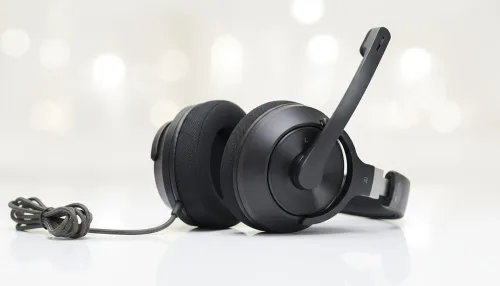
Stereo vs mono headsets: learn which delivers clearer calls, better spatial music, or simpler mono voice performance — pick the right headset for meetings, music, or gaming 🎧💬

- Compare gaming headset vs studio headphones; - Assess comfort, mic and sound; - Recommend best daily picks. Gaming headset vs studio headphones: learn which suits work, music and casual gaming. 🎧⚖️