

RTX 4060 Ti Throttling Under Load: SA Temperature Guide
RTX 4060 Ti Throttling Under Load: Temperature. Everything you need to know with SA pricing, step-by-step instructions & expert recommendations.
Read moreOptimise 50mm gaming headset drivers for pinpoint positional audio in FPS titles. Improve imaging, reduce muddy sound, and lock onto footsteps 🎧🎮. Follow tuning steps that boost accuracy without guesswork.
If you’ve ever turned left for a stairwell audio cue and still felt… late, you’re not alone. In Valorant, CS2, Fortnite, or even Warzone-style shooters, positional audio is the difference between “heard something” and “locked in”. 🎧 The good news? You don’t always need a new headset. Often, it’s your driver tuning, EQ setup, and how you’re using your headset in South Africa’s real-world noise and Wi‑Fi-heavy homes.
Most “50mm” driver headsets aim for a balanced frequency response that can be nudged with EQ. But positional audio lives in the details: the mids and upper-bass that define footsteps, plus the treble that makes direction cues feel stable. 🔧
Before any EQ, do these quick checks:
Instead of chasing “one perfect EQ,” aim for consistency:
Use small changes, then test with the same in-game scene each time.
On Windows, open Windows Sound settings and make sure your headset output and sample format stay consistent. Then tune EQ at a stable volume (around 60–70%). Small volume swings make footsteps feel louder without actually improving direction, which can ruin your testing.
Here’s a simple 20-minute routine that South African players can repeat before ranked:
✨ Micro-story: Many players first crank bass because it “sounds cool.” But once you lower that rumble a little, footsteps stop sounding like they’re coming from “everywhere” and start sounding like they’re coming from somewhere.
Not all headsets handle positional cues the same way, even with similar driver sizes. The most reliable move is to choose a headset designed for gaming audio, then tune it based on your platform.
If you’re shopping in Evetech’s range, here are solid starting points:
If you want positional audio without over-processing, start with Stereo and only enable surround when the game’s audio benefits from it.
Common mistakes:
Your best fix is discipline: consistent volume, one change at a time, and a repeatable listening routine. 🚀
Ready to Find Your Perfect Match? The Mac vs Windows debate is complex, but for maximum power, choice, and value in South Africa, Windows is hard to beat. Explore our massive range of laptop specials and find the perfect machine to conquer your world.
Optimising 50mm gaming headset drivers improves imaging and positional accuracy, so footsteps, reloads, and utility cues land in the right direction.
Use EQ to boost key presence bands, control muddiness, and preserve treble detail for clearer localisation. Pair it with consistent volume levels.
Yes. A consistent seal changes bass response and can shift localisation cues. Ensure comfortable clamping and correct ear padding contact.
Off localisation often comes from software mix changes, wrong channel settings, or inconsistent volume. Reset, then adjust gradually while testing.
They can help or hurt. For accurate positional audio, try profiles in your game, keep changes minimal, and verify with repeatable test sounds.
Use a repeatable audio test map or custom practice routine. Compare left/right and distance cues across multiple positions before and after tuning.
Prioritise footsteps clarity. Too much bass can mask cues and blur timing. Aim for balanced low-end so mid and high presence stays intelligible.
Often yes. Mix styles differ by game. Keep a baseline EQ, then make small, controlled changes to match each title's audio profile.
RTX 4060 Ti Throttling Under Load: Temperature. Everything you need to know with SA pricing, step-by-step instructions & expert recommendations.
Read more
Apex Legends Max Settings on RTX 4080. Tested & verified settings for best FPS and visual quality on SA hardware budgets.
Read more
GPU Buying Guide. Everything you need to know with SA pricing, step-by-step instructions & expert recommendations.
Read more
GPU Terms Guide. Everything you need to know with SA pricing, step-by-step instructions & expert recommendations.
Read more
AMD Adrenalin Download & Setup Guide: GPU. Clear setup instructions with SA-specific considerations, troubleshooting tips & recommended components.
Read more
Back-to-School GPU Buying Guide. Everything you need to know with SA pricing, step-by-step instructions & expert recommendations.
Read more
Snapdragon X2 NPU Explained: How 80 TOPS Changes. Plain-English explanation of what it means, why it matters & how it affects your buying decisions in SA.

HBM? High Bandwidth Memory Used in GPUs and AI. Plain-English explanation of what it means, why it matters & how it affects your buying decisions in SA.
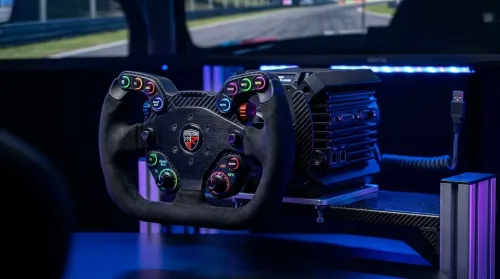
How much should you spend on sim racing accessories in South Africa for a realistic setup? We break down budgets by quality tiers, so you buy smart gear and avoid overspending 🎮💸

G-Sync and FreeSync? Variable Refresh Rate. Plain-English explanation of what it means, why it matters & how it affects your buying decisions in SA.

AMD Laptop: Value. SA-focused analysis with local pricing data, real-world insights & actionable buying advice.
How MacBook Neo Handles 30+ Chrome Tabs with Only. SA-focused analysis with local pricing data, real-world insights & actionable buying advice.

Why Apple Put 8GB RAM in MacBook Neo: The A18 Pro. SA-focused analysis with local pricing data, real-world insights & actionable buying advice.
Upgrade your work laptop with a New Motherboard. Step-by-step instructions with SA-specific tips, common pitfalls to avoid & expert recommendations.
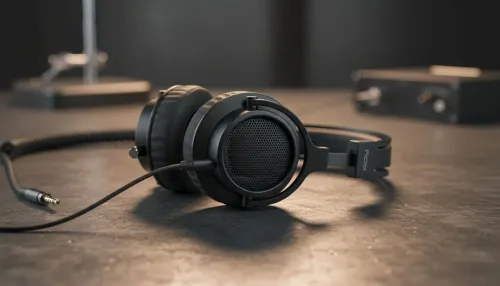
Maintain wired headset — Checklist: • inspect cables • clean earpads • store properly 🔧🎧 Practical steps to preserve sound quality and avoid premature replacements.
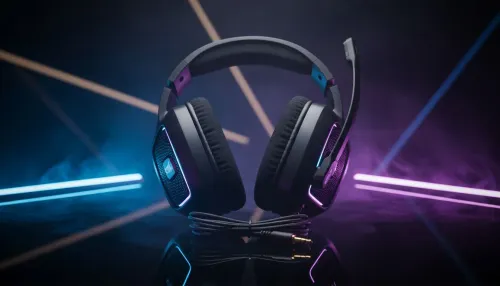
Fix crackling headset fast: step-by-step checks for cables, connectors, drivers, and settings to remove static or distorted audio on wired headsets 🎧⚙️
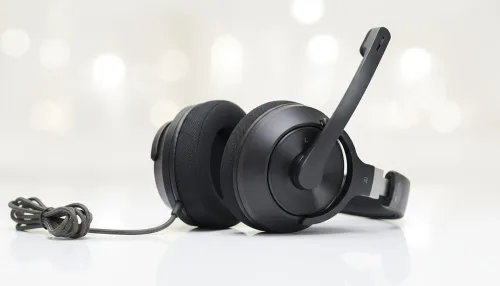
Stereo vs mono headsets: learn which delivers clearer calls, better spatial music, or simpler mono voice performance — pick the right headset for meetings, music, or gaming 🎧💬
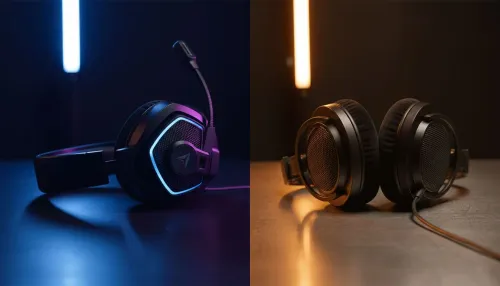
- Compare gaming headset vs studio headphones; - Assess comfort, mic and sound; - Recommend best daily picks. Gaming headset vs studio headphones: learn which suits work, music and casual gaming. 🎧⚖️