A postgraduate student should choose an ergonomic office chair by body dimensions, desk height and the longest reading or writing posture. The ergonomic label does not prove fit, and regular movement remains necessary during thesis work.
Measure the complete study position
Record seat-to-keyboard reach, foot support, desk clearance and monitor height. Check seat depth, width, height range, armrest movement and back support against the users body. Sit through a realistic research block, including handwriting as well as typing.
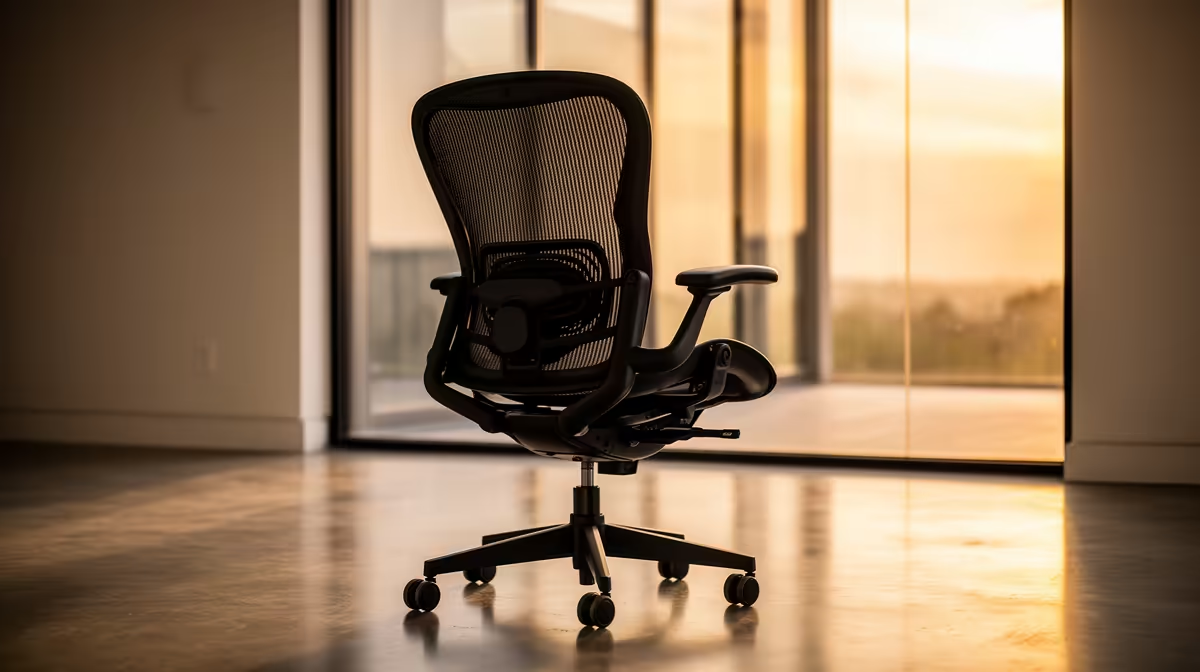
The HBADA E3 Pro at R5,700 and GAMDIAS ZELUS E5 at R1,540 are verified chair references. Their listings do not establish personal fit or clinical suitability. The Dell S2725QC monitor at R6,128 is a separate desk reference and does not solve seating. Confirm current dimensions, supported load, adjustment range, materials, caster type, returns and warranties.
Place the screen for a neutral neck position, support the feet and vary posture. Take regular walking breaks and keep frequently used notes within relaxed reach. Persistent pain, weakness or numbness needs qualified medical or ergonomic guidance.
Buy after a hands-on trial or careful dimensional comparison. A chair should support sustained work without forcing the keyboard, monitor or feet into a worse position. Check chair movement on the actual floor surface before choosing caster style.
Improving a postgraduate desk? > Compare Evetech ergonomic chairs after measuring body and workspace fit.