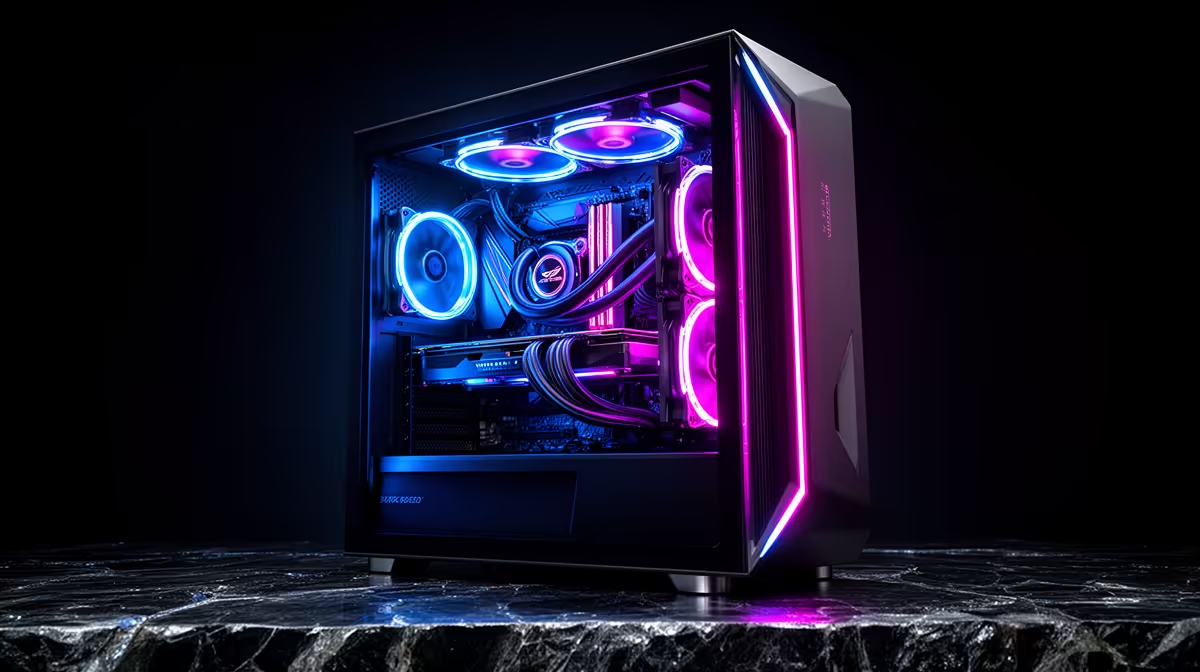
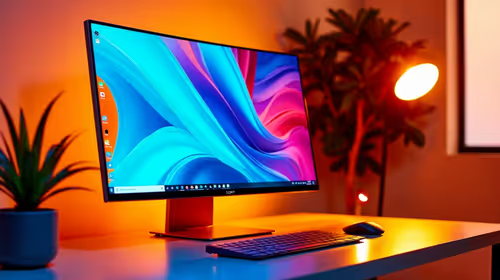
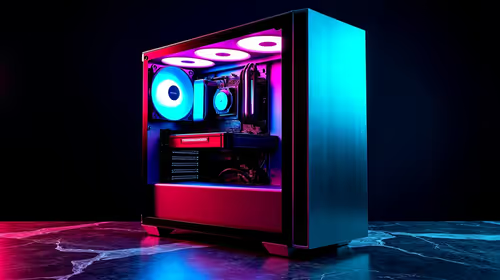
The Palit RTX 5060 at R4,800 suits a creator desk that needs clean video output, smooth editing previews, and enough graphics headroom for a gaming pc that can handle podcast production without feeling like a stripped office machine.
Why a prebuilt makes sense for a podcast desk
A Ryzen 5 5500 at R1,100 is the sensible entry point when the show is mainly audio, browser research, notes, and light clip editing. It gives the machine a proper desktop CPU base without pushing the build toward parts that only matter for heavy gaming or complex video timelines.
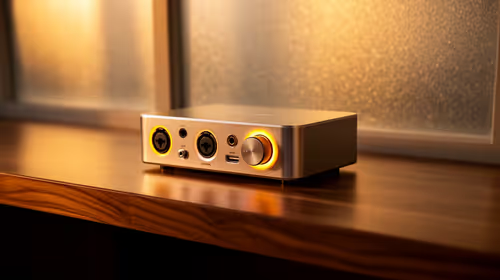
The MSI A520M-A Pro at R700 is the kind of base board that makes a prebuilt practical for a small studio corner. For this workload, the value is not glamour. It is having a stable platform for the CPU, GPU, drives, audio interface, and everyday creator accessories in one organised tower.
SA creator desk reality
For a home studio, spare room, or small-business counter, the ASUS RX 7600 8GB at R4,650 is useful when the podcast includes camera recordings, social clips, overlays, and a second screen for show notes. That 8GB graphics spec gives more breathing room than a bare productivity PC when visuals become part of the workflow.
A Ryzen 7 7800X3D at R4,800 is the stronger option when the same tower also doubles for serious gaming after recording. It is more than most basic podcast tasks need, but it makes sense when one machine must cover work sessions, rendering, streaming tools, and high-refresh play.
Ready to choose the right gaming pc?
Use Ryzen 5 5500 at R1,100 as the gaming room benchmark, then check whether its listed spec matches the space, workload, and upgrade path.