

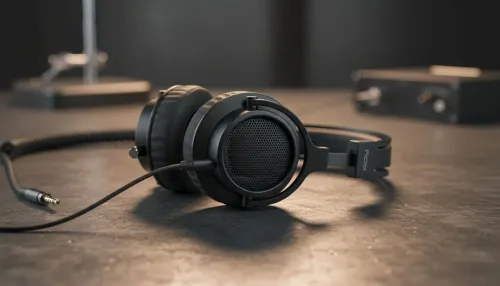
Maintain Wired Headset: Tips to Extend Lifespan
Maintain wired headset — Checklist: • inspect cables • clean earpads • store properly 🔧🎧 Practical steps to preserve sound quality and avoid premature replacements.
Read moreTired of slow startups? ❌ Discover tested refurb laptop boot speeds 🚀 and how to avoid devices that kill productivity. [[long_tail_keyword_1]] unlocks performance secrets!

So, you’ve spotted a great deal on a refurbished laptop. It’s got the specs, the right price… but a nagging thought pops into your head. Will it take ages to start up? Will you be staring at a loading screen while your mates are already dropping in?
Let's cut through the noise. When it comes to refurbished laptop boot speeds, the answer isn't "slow." It's "it depends"... and the biggest factor is something you can easily check before you buy. ⚡
Forget the processor for a second. The single most important component determining how fast your refurbished laptop starts up is the storage drive. It's a simple battle between old-school and new-school tech.
When browsing, always prioritise a model with an SSD. The performance boost isn't just a minor convenience; it transforms the entire user experience.
sure what your current PC has? Press Ctrl + Shift + Esc to open Task Manager, click the "Performance" tab, and select your Disk (C:). The top-right corner will tell you if it's an SSD or HDD.
While the SSD is the star player, a few other specs influence the startup performance of a refurbished laptop. Think of them as the supporting cast that helps the star shine.
RAM (Random Access Memory) is your laptop's short-term memory. During startup, the operating system loads essential files into RAM. While having more RAM (e.g., 16GB vs. 8GB) won't drastically cut boot time from 15 to 10 seconds, having too little (4GB or less) can create a bottleneck, slowing everything down as the system struggles to shuffle data. For a smooth experience, 8GB is the modern sweet spot for most users.
Your laptop's processor (CPU) also plays a part, but its impact on boot speed is less direct than the storage drive. A modern processor, whether you're looking at powerful Intel laptops on special or efficient AMD laptops on special, will handle the initial startup processes more quickly than an older chip. However, an SSD paired with a 5-year-old Core i5 will still boot faster than an HDD with a brand-new Core i7. The drive is king.
A professionally refurbished laptop should come with a fresh, clean installation of the operating system. This is a huge advantage! It means no leftover "bloatware" from the previous owner or manufacturer clogging up the startup process. Fewer programs launching at boot means a faster path to your desktop. ✨
So, what are we actually talking about in seconds? Here's a realistic guide to refurbished laptop boot speeds:
The takeaway is clear: a refurbished laptop's age is less important than its components. A well-specced, SSD-equipped refurbished model will often outperform a brand-new, budget laptop saddled with a slow HDD. You can find some incredible performance bargains when you look at gaming laptops under R20k that prioritise an SSD over other bells and whistles. 🚀
Ready for a Faster Start? Stop waiting and start doing. A refurbished laptop with an SSD offers incredible value and speed, giving you a premium experience without the premium price tag. Explore our wide range of laptop specials and find a machine that keeps up with you.
Drive type (SSD vs HDD), RAM capacity, OS optimization, and background apps greatly impact [[secondary_keyword]] performance.
Expect 7-15 seconds for modern SSD-equipped devices. Longer times indicate potential issues with [[secondary_keyword]] reliability.
Yes! Upgrading to SSD storage or optimizing startup programs enhances [[secondary_keyword]] efficiency dramatically.
Not always. Cheaper models often sacrifice speed with older components impacting [[secondary_keyword]] productivity gains.
Request benchmark reports and startup time demonstrations to verify [[secondary_keyword]] claims from sellers.
Yes - newer Windows versions optimize faster on modern hardware. Ensure [[secondary_keyword]] configuration matches OS requirements.
Look for SSD storage, 8GB+ RAM, and i5+ processors for reliable [[secondary_keyword]] performance that meets expectations.
Maintain wired headset — Checklist: • inspect cables • clean earpads • store properly 🔧🎧 Practical steps to preserve sound quality and avoid premature replacements.
Read more
Fix crackling headset fast: step-by-step checks for cables, connectors, drivers, and settings to remove static or distorted audio on wired headsets 🎧⚙️
Read more
Stereo vs mono headsets: learn which delivers clearer calls, better spatial music, or simpler mono voice performance — pick the right headset for meetings, music, or gaming 🎧💬
Read more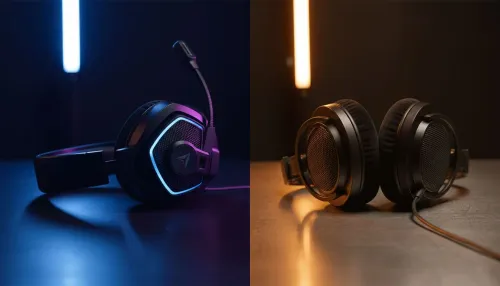
- Compare gaming headset vs studio headphones; - Assess comfort, mic and sound; - Recommend best daily picks. Gaming headset vs studio headphones: learn which suits work, music and casual gaming. 🎧⚖️
Read more
- Check pressure points - Compare earcup materials - Adjust clamp and fit Best gaming headsets for glasses: quick guide to reduce temple pressure, pick breathable memory foam earcups, and optimize fit for long sessions 🕹️👓
Read more
Gaming microphone noise reduction: Use beamforming mics, AI noise suppression, and hardware filters to cut background noise and boost in-game voice clarity. 🎧⚙️ Learn setups, settings, and top mic features.
Read more
Snapdragon X2 NPU Explained: How 80 TOPS Changes. Plain-English explanation of what it means, why it matters & how it affects your buying decisions in SA.

HBM? High Bandwidth Memory Used in GPUs and AI. Plain-English explanation of what it means, why it matters & how it affects your buying decisions in SA.
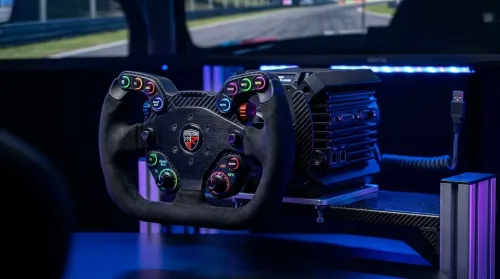
How much should you spend on sim racing accessories in South Africa for a realistic setup? We break down budgets by quality tiers, so you buy smart gear and avoid overspending 🎮💸

G-Sync and FreeSync? Variable Refresh Rate. Plain-English explanation of what it means, why it matters & how it affects your buying decisions in SA.

AMD Laptop: Value. SA-focused analysis with local pricing data, real-world insights & actionable buying advice.
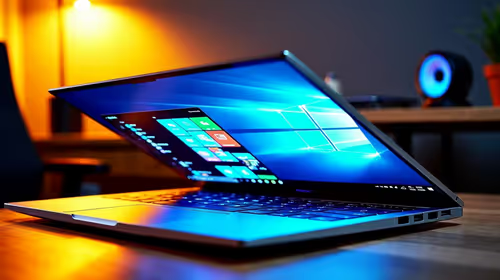
How MacBook Neo Handles 30+ Chrome Tabs with Only. SA-focused analysis with local pricing data, real-world insights & actionable buying advice.

Why Apple Put 8GB RAM in MacBook Neo: The A18 Pro. SA-focused analysis with local pricing data, real-world insights & actionable buying advice.
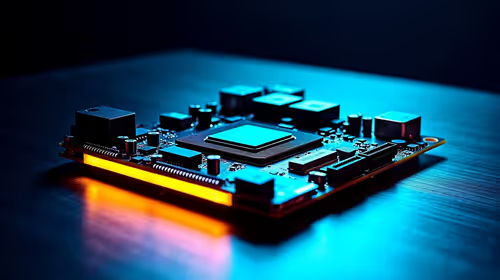
Upgrade your work laptop with a New Motherboard. Step-by-step instructions with SA-specific tips, common pitfalls to avoid & expert recommendations.
Maintain wired headset — Checklist: • inspect cables • clean earpads • store properly 🔧🎧 Practical steps to preserve sound quality and avoid premature replacements.
Fix crackling headset fast: step-by-step checks for cables, connectors, drivers, and settings to remove static or distorted audio on wired headsets 🎧⚙️
Stereo vs mono headsets: learn which delivers clearer calls, better spatial music, or simpler mono voice performance — pick the right headset for meetings, music, or gaming 🎧💬
- Compare gaming headset vs studio headphones; - Assess comfort, mic and sound; - Recommend best daily picks. Gaming headset vs studio headphones: learn which suits work, music and casual gaming. 🎧⚖️