

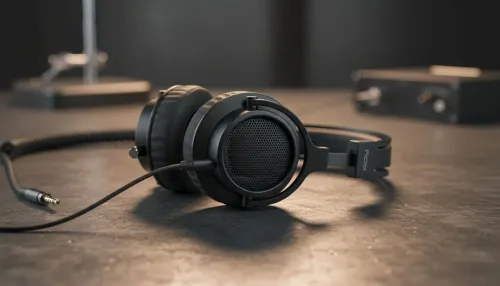
Maintain Wired Headset: Tips to Extend Lifespan
Maintain wired headset — Checklist: • inspect cables • clean earpads • store properly 🔧🎧 Practical steps to preserve sound quality and avoid premature replacements.
Read moreMaster RX 7800 XT undervolting for silent, efficient gaming in SA. 🎮 Reduce power consumption and noise by optimizing voltage with our expert guide. 💥

That moment your PC fan sounds like a jet engine during a tense Warzone final circle? We’ve all been there, especially in the South African heat. The AMD RX 7800 XT is a 1440p beast, but its true potential is unlocked when you tame its power for silent gaming. This complete RX 7800 XT undervolting guide will show you exactly how to drop temperatures and noise levels without sacrificing those sweet, sweet frames. Let's begin.
So, what is "undervolting"? In simple terms, it’s the process of reducing the amount of electricity (voltage) your graphics card uses. Graphics card manufacturers often supply a bit more voltage than necessary to guarantee stability across millions of units. By fine-tuning this, you can achieve some lekker benefits. ⚡
The primary payoff is less heat. Less voltage means less power drawn, which directly translates to lower temperatures. When your GPU runs cooler, its fans don't need to spin as fast or as loud. The result? A blissfully quiet gaming experience. This process is a must-try for anyone looking to optimise their new rig, especially when coming from the vast world of powerful AMD Radeon graphics cards.
Often, a successful undervolt can even lead to more stable performance, as the card can maintain its boost clocks for longer without hitting thermal limits. It’s a win-win.
Before you dive into this RX 7800 XT undervolting guide, you'll need two things. The good news is they’re both free.
Once you have these ready, you're set to start the tuning process. It's a straightforward procedure that's far less risky than traditional overclocking. While the specifics here are for AMD, similar principles apply to many NVIDIA GeForce cards, though the software tools differ.
Right, let's get into the details. Follow these steps carefully, and remember to test after each significant change. Patience is key to achieving a perfectly stable undervolt for silent gaming.
Open the AMD Software: Adrenalin Edition. You can usually right-click on your desktop to find it. Navigate to the Performance tab at the top, and then select the Tuning sub-tab.
By default, everything will be set to... well, default. In the Tuning Control section, select Custom and agree to the warning prompt. This unlocks all the advanced settings you’ll need.
Now for the main event. Ensure GPU Tuning is enabled, and then toggle on Advanced Control. You'll see a "Max Frequency (MHz)" slider and a "Voltage (mV)" slider.
The goal is to lower the voltage without touching the frequency... at first. The stock voltage for an RX 7800 XT is typically around 1150mV. A great starting point is to reduce this to 1100mV. Click "Apply Changes" in the top right.
Every GPU is slightly different. Your friend's RX 7800 XT might undervolt to 1050mV, while yours is only stable at 1080mV. Start with small, 10-20mV reductions and test thoroughly each time. Patience now means a rock-solid rig later!
This is the most important step in our RX 7800 XT undervolting guide. Run your chosen benchmark for at least 15-20 minutes. Watch for any visual glitches, strange colours, or a complete system crash. If the benchmark completes without any issues, congratulations! You have a stable undervolt.
If it crashes, simply reboot your PC. The Adrenalin software will revert to its last stable settings. Increase the voltage by 5-10mV and test again.
If your first test was stable at 1100mV, try lowering it further to 1080mV and repeat the stability test. Keep lowering the voltage in small increments until you find the lowest possible stable value for your specific card. This focus on gaming performance tuning is what separates these cards from workstation graphics cards that prioritise stability above all.
After finding your card's sweet spot, you should immediately notice two things: lower peak temperatures and much quieter fans under load. In many cases, you could see a temperature drop of 5-10°C, which is massive. The competition is fierce in the GPU space, with even newer options from Intel Arc pushing everyone to innovate on efficiency.
This simple tweak transforms the already brilliant RX 7800 XT into a cool, quiet 1440p powerhouse, letting you focus on the game, not the noise. Enjoy the silence! 🤫
Ready for a Cooler, Quieter Rig? An optimised graphics card is the heart of any great gaming PC. Whether you're upgrading or building fresh, browse our full range of graphics cards for performance that leaves lag in the dust.
Undervolting reduces GPU voltage to lower power consumption and heat for the RX 7800 XT.
Yes, undervolting maintains performance while reducing thermal throttle, enhancing stability.
Yes, RX 7800 XT undervolting is safe and extends GPU longevity by lowering heat stress.
Use software like MSI Afterburner to safely adjust voltage and clock speeds on your RX 7800 XT.
Lower voltage reduces heat, allowing fans to run slower, making your RX 7800 XT quieter.
Yes, RX 7800 XT undervolting cuts power consumption, reducing electricity bills in SA.
Maintain wired headset — Checklist: • inspect cables • clean earpads • store properly 🔧🎧 Practical steps to preserve sound quality and avoid premature replacements.
Read more
Fix crackling headset fast: step-by-step checks for cables, connectors, drivers, and settings to remove static or distorted audio on wired headsets 🎧⚙️
Read more
Stereo vs mono headsets: learn which delivers clearer calls, better spatial music, or simpler mono voice performance — pick the right headset for meetings, music, or gaming 🎧💬
Read more
- Compare gaming headset vs studio headphones; - Assess comfort, mic and sound; - Recommend best daily picks. Gaming headset vs studio headphones: learn which suits work, music and casual gaming. 🎧⚖️
Read more
- Check pressure points - Compare earcup materials - Adjust clamp and fit Best gaming headsets for glasses: quick guide to reduce temple pressure, pick breathable memory foam earcups, and optimize fit for long sessions 🕹️👓
Read more
Gaming microphone noise reduction: Use beamforming mics, AI noise suppression, and hardware filters to cut background noise and boost in-game voice clarity. 🎧⚙️ Learn setups, settings, and top mic features.
Read more
Snapdragon X2 NPU Explained: How 80 TOPS Changes. Plain-English explanation of what it means, why it matters & how it affects your buying decisions in SA.

HBM? High Bandwidth Memory Used in GPUs and AI. Plain-English explanation of what it means, why it matters & how it affects your buying decisions in SA.
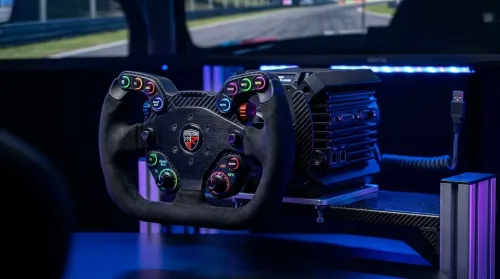
How much should you spend on sim racing accessories in South Africa for a realistic setup? We break down budgets by quality tiers, so you buy smart gear and avoid overspending 🎮💸

G-Sync and FreeSync? Variable Refresh Rate. Plain-English explanation of what it means, why it matters & how it affects your buying decisions in SA.

AMD Laptop: Value. SA-focused analysis with local pricing data, real-world insights & actionable buying advice.

How MacBook Neo Handles 30+ Chrome Tabs with Only. SA-focused analysis with local pricing data, real-world insights & actionable buying advice.

Why Apple Put 8GB RAM in MacBook Neo: The A18 Pro. SA-focused analysis with local pricing data, real-world insights & actionable buying advice.
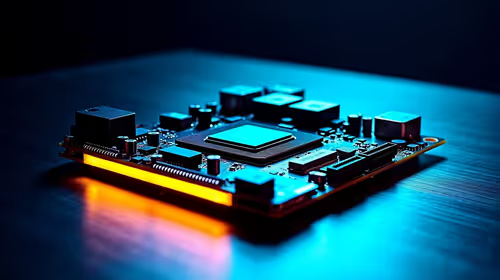
Upgrade your work laptop with a New Motherboard. Step-by-step instructions with SA-specific tips, common pitfalls to avoid & expert recommendations.
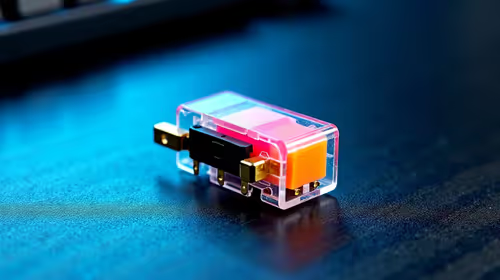
Glorious Keyboard Switches Explained: Which. Plain-English explanation of what it means, why it matters & how it affects your buying decisions in SA.
Winter Keyboard Buying Guide. Everything you need to know with SA pricing, step-by-step instructions & expert recommendations.
Keyboard Buying Guide. Everything you need to know with SA pricing, step-by-step instructions & expert recommendations.

LGBTQ+ Gamers Keyboard Guide: January Edition. Everything you need to know with SA pricing, step-by-step instructions & expert recommendations.