

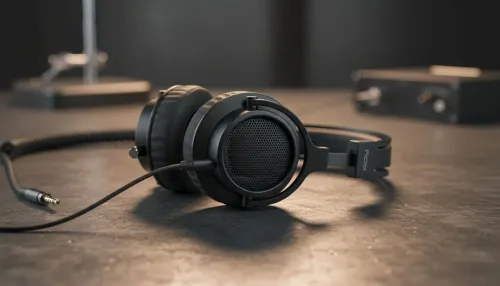
Maintain Wired Headset: Tips to Extend Lifespan
Maintain wired headset — Checklist: • inspect cables • clean earpads • store properly 🔧🎧 Practical steps to preserve sound quality and avoid premature replacements.
Read moreSATA 6Gb/s vs SATA 3Gb/s — learn real-world speed differences, backward compatibility, and upgrade value so you pick the right drive or port ⚡🔍
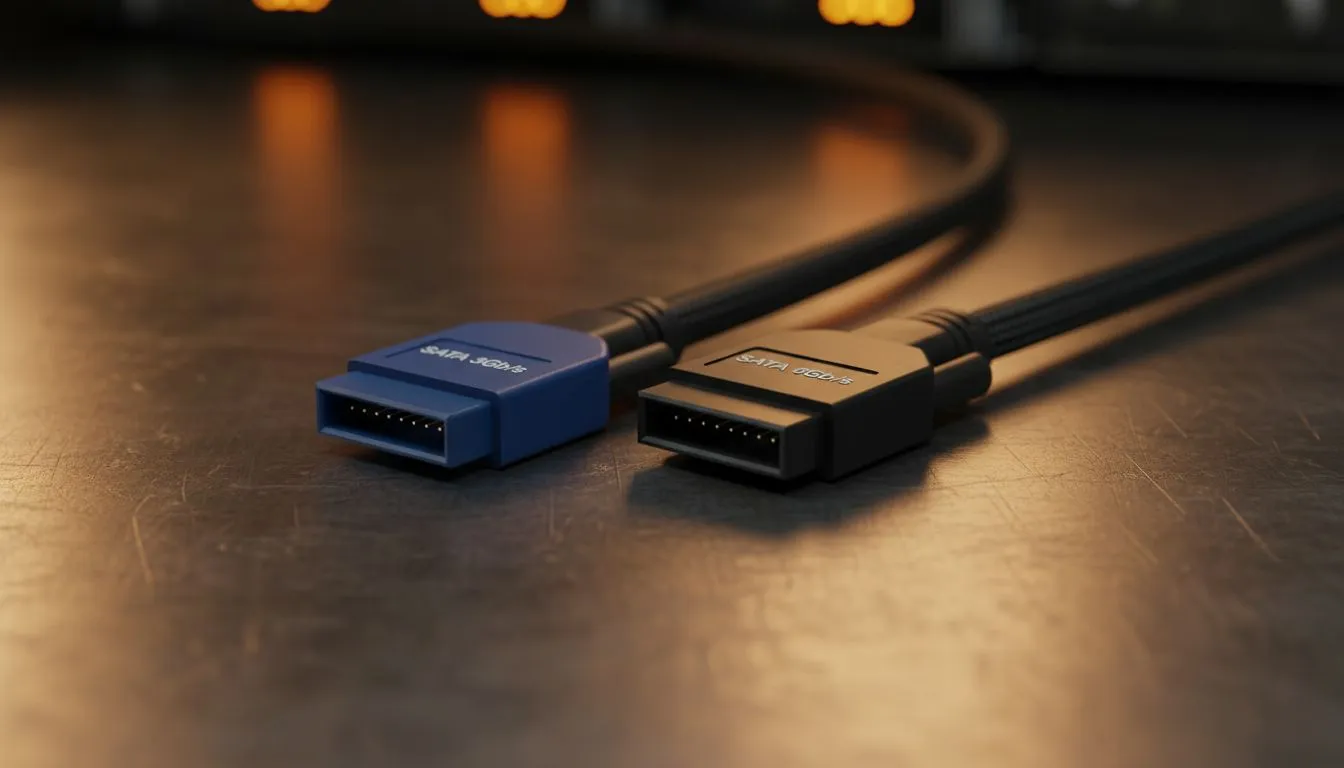
Staring at your PC case and wondering why your boot times feel like a load-shedding schedule? Understanding the difference between SATA 6Gb/s vs SATA 3Gb/s: Compatibility and Speed Explained is the first step to a faster rig. Whether you are upgrading an old office PC or building a budget gaming machine, knowing if your drive and motherboard are speaking the same language is vital for performance. ⚡
The primary difference between these two standards is throughput. SATA 3Gb/s, often called SATA II, offers a maximum theoretical transfer speed of 300MB/s. Its successor, SATA 6Gb/s (or SATA III), doubles that to 600MB/s. While these numbers look great on paper, they matter most when you are choosing new internal storage for your operating system.
One of the best things about the SATA interface is its backward and forward compatibility. You can plug a SATA 6Gb/s drive into a SATA 3Gb/s port without any physical issues. The connectors are identical. However, the drive will be limited by the slowest component in the chain. 🔧
If you install a high-performance drive from Western Digital into an older SATA II motherboard, it will still work perfectly... it just won't reach its full speed potential. For mechanical hard drives, this rarely matters because they struggle to even saturate the older 3Gb/s limit. For SSDs, however, the bottleneck is real.
Not all SATA cables are created equal. While most cables work across both standards, using a high-quality, shielded SATA 6Gb s cable ensures you don't suffer from data corruption or interference. Look for the '6Gb s' or 'SATA III' label printed directly on the cable sleeve to be sure you are getting the best connection possible.
For South African gamers, the difference is most noticeable during loading screens. Modern titles often move massive amounts of data. Using a reliable brand like ADATA on a true SATA 6Gb/s port can cut your loading times in half compared to an old mechanical drive on a SATA II port. 🚀
If you are constantly on the move, you might prefer portable storage solutions. These often use the same internal logic but bridge to USB. When looking for a drive with an External form factor, ensure your USB port matches the drive's potential to avoid similar bottlenecks.
While SATA 6Gb/s is still excellent for bulk storage and budget builds, the industry has moved toward NVMe. If your motherboard supports it, moving to Gen 5 NVMe offers speeds that make even the fastest SATA 6Gb/s drives look slow by comparison. However, for most daily tasks and gaming, a solid SATA III connection remains a reliable and cost-effective choice. ✨
Ready to Speed Up Your System? Whether you need a lightning-fast boot drive or massive storage for your gaming library, we have the right tech for you. Explore our massive range of SSD specials and find the perfect upgrade to eliminate those frustrating loading bars today.
SATA 6Gb/s doubles the interface bandwidth to 600 MB/s versus 300 MB/s on SATA 3Gb/s, improving top-end SSD and drive performance.
Yes. SATA is backward compatible: a SATA 6Gb/s drive works in a SATA 3Gb/s port but will run at the lower 3Gb/s speed.
No. In a SATA 3Gb/s port the SSD is limited to 3Gb/s bandwidth; real gains require a 6Gb/s controller and compatible cable.
Use good quality SATA cables rated for 6Gb/s. Older or damaged cables can cause errors and prevent full SATA 6Gb/s performance.
Upgrade if you use modern SATA SSDs or need faster sustained transfers. HDDs rarely saturate 3Gb/s, so benefits vary.
A 6Gb/s controller removes interface bottlenecks for fast SSDs, but overall speed still depends on the drive and system configuration.
NVMe on PCIe delivers far higher throughput and lower latency than SATA 6Gb/s; NVMe is the top choice for max performance.
Maintain wired headset — Checklist: • inspect cables • clean earpads • store properly 🔧🎧 Practical steps to preserve sound quality and avoid premature replacements.
Read more
Fix crackling headset fast: step-by-step checks for cables, connectors, drivers, and settings to remove static or distorted audio on wired headsets 🎧⚙️
Read more
Stereo vs mono headsets: learn which delivers clearer calls, better spatial music, or simpler mono voice performance — pick the right headset for meetings, music, or gaming 🎧💬
Read more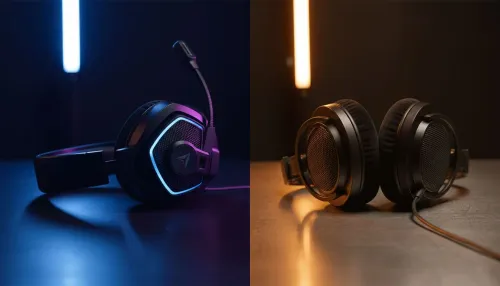
- Compare gaming headset vs studio headphones; - Assess comfort, mic and sound; - Recommend best daily picks. Gaming headset vs studio headphones: learn which suits work, music and casual gaming. 🎧⚖️
Read more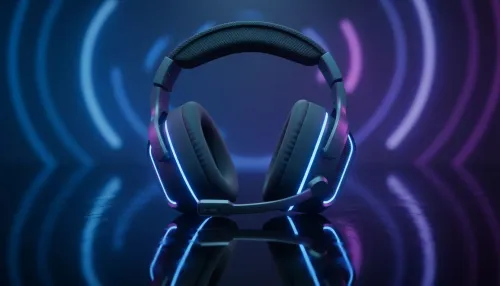
- Check pressure points - Compare earcup materials - Adjust clamp and fit Best gaming headsets for glasses: quick guide to reduce temple pressure, pick breathable memory foam earcups, and optimize fit for long sessions 🕹️👓
Read more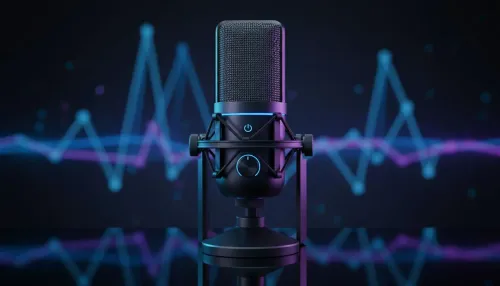
Gaming microphone noise reduction: Use beamforming mics, AI noise suppression, and hardware filters to cut background noise and boost in-game voice clarity. 🎧⚙️ Learn setups, settings, and top mic features.
Read more
Snapdragon X2 NPU Explained: How 80 TOPS Changes. Plain-English explanation of what it means, why it matters & how it affects your buying decisions in SA.

HBM? High Bandwidth Memory Used in GPUs and AI. Plain-English explanation of what it means, why it matters & how it affects your buying decisions in SA.
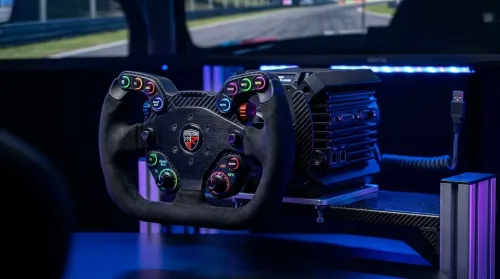
How much should you spend on sim racing accessories in South Africa for a realistic setup? We break down budgets by quality tiers, so you buy smart gear and avoid overspending 🎮💸

G-Sync and FreeSync? Variable Refresh Rate. Plain-English explanation of what it means, why it matters & how it affects your buying decisions in SA.

AMD Laptop: Value. SA-focused analysis with local pricing data, real-world insights & actionable buying advice.
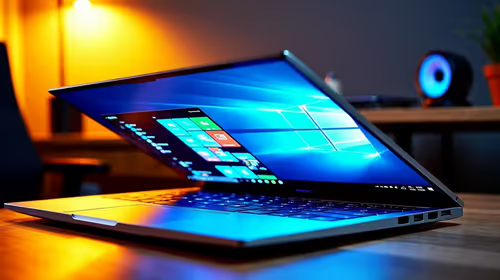
How MacBook Neo Handles 30+ Chrome Tabs with Only. SA-focused analysis with local pricing data, real-world insights & actionable buying advice.

Why Apple Put 8GB RAM in MacBook Neo: The A18 Pro. SA-focused analysis with local pricing data, real-world insights & actionable buying advice.
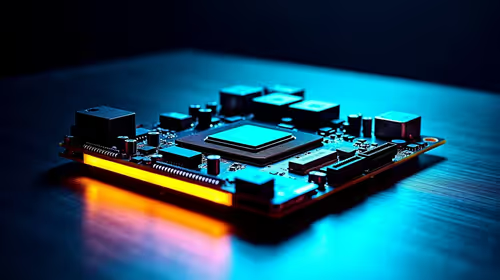
Upgrade your work laptop with a New Motherboard. Step-by-step instructions with SA-specific tips, common pitfalls to avoid & expert recommendations.
Maintain wired headset — Checklist: • inspect cables • clean earpads • store properly 🔧🎧 Practical steps to preserve sound quality and avoid premature replacements.
Fix crackling headset fast: step-by-step checks for cables, connectors, drivers, and settings to remove static or distorted audio on wired headsets 🎧⚙️
Stereo vs mono headsets: learn which delivers clearer calls, better spatial music, or simpler mono voice performance — pick the right headset for meetings, music, or gaming 🎧💬
- Compare gaming headset vs studio headphones; - Assess comfort, mic and sound; - Recommend best daily picks. Gaming headset vs studio headphones: learn which suits work, music and casual gaming. 🎧⚖️