

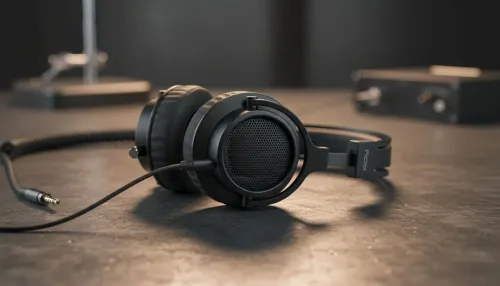
Maintain Wired Headset: Tips to Extend Lifespan
Maintain wired headset — Checklist: • inspect cables • clean earpads • store properly 🔧🎧 Practical steps to preserve sound quality and avoid premature replacements.
Read moreUnlock peak performance with our deep dive into gaming PC cooling. We break down the science of heat dissipation, from air vs. liquid cooling to case airflow optimization. Learn how to prevent thermal throttling and keep your components frosty for marathon gaming sessions! ❄️⚙️

Ever been in the final circle, your heart pounding, only for your PC to start sounding like a jet engine? That sudden frame drop isn't just bad luck… it's your components screaming for help. In South Africa's climate, mastering gaming PC cooling isn't just a luxury; it's the science of victory. Let's dive into how to keep your rig frosty and your frames high when the pressure heats up. ❄️
You wouldn't run a marathon in a winter jacket, right? Your PC's processor (CPU) and graphics card (GPU) feel the same way. When they work hard rendering epic worlds, they generate a lot of heat. If that heat isn't removed efficiently, they protect themselves by slowing down. This process is called thermal throttling.
For you, the gamer, this means stuttering, lower frame rates, and a frustrating experience. Over time, consistently high temperatures can even shorten the lifespan of your precious components. A proper gaming PC cooling solution isn't just about performance today; it's about protecting your investment for years of play. This principle applies to all builds, from high-end beasts to well-optimised budget gaming PCs that need to make every component count.
At the heart of any cooling setup is the CPU cooler. This is where the main battle against heat takes place, and you have two primary champions to choose from.
This is the classic, trusted method. A metal block (the heatsink) sits on your CPU, pulling heat away. A fan then blows cool air over the heatsink's fins to dissipate that heat into the case.
For most gamers, a quality air cooler provides fantastic performance and value, making it a perfect fit for many of the powerful PCs under R20k that deliver incredible bang-for-your-buck.
AIOs use a liquid coolant to achieve superior thermal performance. A pump circulates the liquid from a block on the CPU to a radiator, where fans expel the heat. Think of it like a car's radiator, but for your PC. ✨
If you're pushing your hardware to its absolute limits, an AIO is often the top choice. You'll frequently find them in premium rigs, such as these powerful PCs above R20k, designed for maximum performance.
Your CPU cooler can be the best in the world, but it's useless if it's just circulating hot air. Effective PC cooling relies on good case airflow. This means having a clear path for cool air to enter (intake) and hot air to leave (exhaust). A well-designed case with strategically placed fans is crucial for keeping every component, not just the CPU, running cool.
It’s a critical factor we consider in all our builds, which you can see when browsing our latest pre-built PC deals. A good chassis makes all the difference.
Your PC case's dust filters are your first line of defence. Clogged filters starve your system of cool air, forcing fans to work harder and increasing temperatures. Make it a habit to clean them every month or two with a soft brush or compressed air. Your components will thank you!
So, which is the right gaming PC cooling solution for you?
Ultimately, the goal is a balanced system where no single part holds another back. A powerful GPU needs a cool environment to thrive, and that's where a smart cooling strategy comes in. It's the secret sauce behind all the best gaming PC deals that deliver consistent, reliable power.
Ready to Beat the Heat? Understanding gaming PC cooling is the key to unlocking consistent, high-frame-rate performance. Whether you need an air-cooled workhorse or a liquid-cooled beast, a perfectly balanced system is waiting. Explore our massive range of custom-built PCs and find the perfect rig to conquer your world.
The two primary types are air cooling, which uses heatsinks and fans to dissipate heat, and liquid cooling, which uses a coolant pumped through a loop to transfer heat away.
Not always. High-end air coolers can outperform entry-level AIO liquid coolers. Liquid cooling generally offers superior performance for overclocking and is quieter under load.
It's critical. Proper cooling prevents thermal throttling, where components slow down to avoid overheating. Good cooling ensures your CPU and GPU run at their peak speeds.
Thermal throttling is a safety feature where a CPU or GPU automatically reduces its clock speed to lower its temperature, preventing damage but causing performance drops.
Ensure a clear path for air by managing cables, using an intake/exhaust fan setup (e.g., front intake, rear/top exhaust), and keeping dust filters clean for optimal cooling.
Yes, absolutely. Thermal paste fills microscopic gaps between the CPU and its cooler, ensuring efficient heat transfer. Old or poorly applied paste can cause high temperatures.
Maintain wired headset — Checklist: • inspect cables • clean earpads • store properly 🔧🎧 Practical steps to preserve sound quality and avoid premature replacements.
Read more
Fix crackling headset fast: step-by-step checks for cables, connectors, drivers, and settings to remove static or distorted audio on wired headsets 🎧⚙️
Read more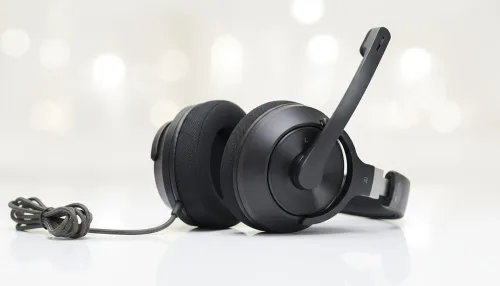
Stereo vs mono headsets: learn which delivers clearer calls, better spatial music, or simpler mono voice performance — pick the right headset for meetings, music, or gaming 🎧💬
Read more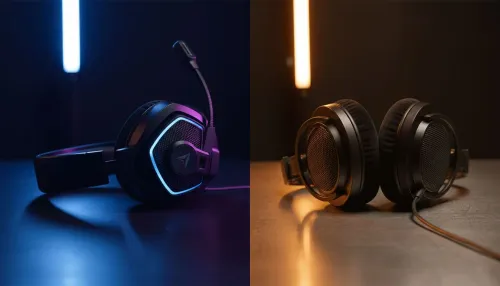
- Compare gaming headset vs studio headphones; - Assess comfort, mic and sound; - Recommend best daily picks. Gaming headset vs studio headphones: learn which suits work, music and casual gaming. 🎧⚖️
Read more
- Check pressure points - Compare earcup materials - Adjust clamp and fit Best gaming headsets for glasses: quick guide to reduce temple pressure, pick breathable memory foam earcups, and optimize fit for long sessions 🕹️👓
Read more
Gaming microphone noise reduction: Use beamforming mics, AI noise suppression, and hardware filters to cut background noise and boost in-game voice clarity. 🎧⚙️ Learn setups, settings, and top mic features.
Read more
Snapdragon X2 NPU Explained: How 80 TOPS Changes. Plain-English explanation of what it means, why it matters & how it affects your buying decisions in SA.

HBM? High Bandwidth Memory Used in GPUs and AI. Plain-English explanation of what it means, why it matters & how it affects your buying decisions in SA.
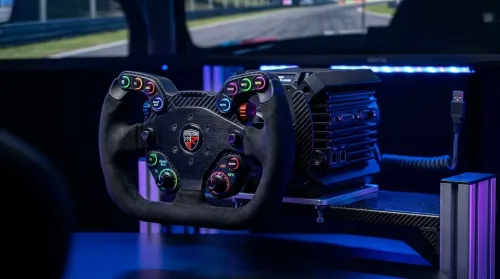
How much should you spend on sim racing accessories in South Africa for a realistic setup? We break down budgets by quality tiers, so you buy smart gear and avoid overspending 🎮💸

G-Sync and FreeSync? Variable Refresh Rate. Plain-English explanation of what it means, why it matters & how it affects your buying decisions in SA.

AMD Laptop: Value. SA-focused analysis with local pricing data, real-world insights & actionable buying advice.

How MacBook Neo Handles 30+ Chrome Tabs with Only. SA-focused analysis with local pricing data, real-world insights & actionable buying advice.

Why Apple Put 8GB RAM in MacBook Neo: The A18 Pro. SA-focused analysis with local pricing data, real-world insights & actionable buying advice.
Upgrade your work laptop with a New Motherboard. Step-by-step instructions with SA-specific tips, common pitfalls to avoid & expert recommendations.
Glorious Keyboard Switches Explained: Which. Plain-English explanation of what it means, why it matters & how it affects your buying decisions in SA.
Winter Keyboard Buying Guide. Everything you need to know with SA pricing, step-by-step instructions & expert recommendations.

Keyboard Buying Guide. Everything you need to know with SA pricing, step-by-step instructions & expert recommendations.

LGBTQ+ Gamers Keyboard Guide: January Edition. Everything you need to know with SA pricing, step-by-step instructions & expert recommendations.