The choice between smart glasses and wireless earbuds is not really about sound quality, though that comes into it. It is about your ears. Glasses leave them wide open to the world; earbuds seal them off. Everything else, the call clarity, the music, the privacy, the safety, flows from that one physical difference, and which side wins depends entirely on what you are doing while you listen.
Quick Answer
Smart glasses use open-ear temple speakers, so your ears stay unblocked and you hear everything around you, ideal for awareness and safety. Wireless earbuds seal the canal for stronger isolation, richer bass and private listening. Pick glasses for walking, cycling and staying aware; pick earbuds for focused listening, secure calls and immersive sound. Most people who own both use them for different moments rather than choosing one forever.
Open ear versus sealed ear, the core trade-off
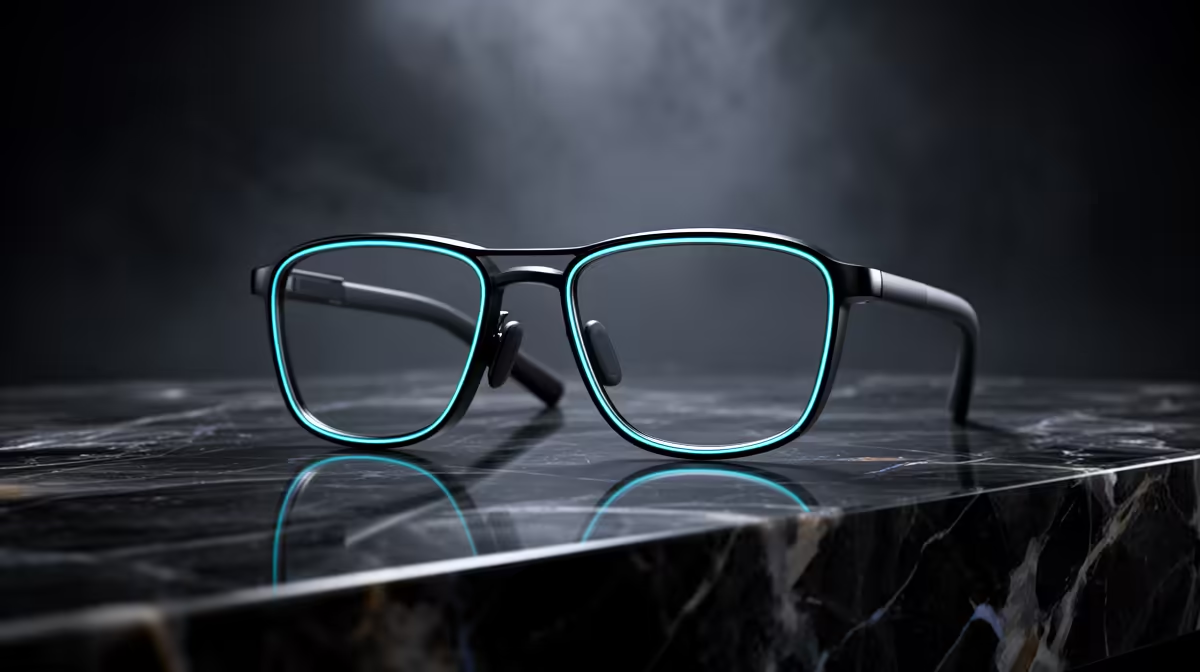
Smart glasses fire sound from tiny speakers in the temple arms toward your ears without covering them. Nothing goes in your ear canal, so ambient sound reaches you normally. You can walk through a park with a podcast playing and still hear birdsong, traffic or someone calling your name. That open delivery is the whole appeal, and it is genuinely a safety feature when you are moving through the world.
Earbuds do the opposite by design. They seal the ear canal, which blocks outside noise and lets the driver deliver fuller, bassier sound with far better isolation. That seal is why earbuds sound richer and why they let you listen privately in a noisy place. It is also why they cut you off from your surroundings, which is exactly what you want on a flight and exactly what you do not want crossing a road. The smart glasses and AR range at Evetech is the place to see how open-ear designs have matured.
Sound quality and music: earbuds still lead
If pure audio is the priority, earbuds win and it is not especially close. Open-ear glasses speakers sacrifice bass and outright clarity compared with in-ear drivers, and they cannot match the immersion or volume of a good pair of earbuds. Music through glasses sounds natural and external, more like a small speaker near your head than headphones, which some people prefer for casual listening but nobody mistakes for high fidelity.
There is also sound leakage to consider. Because glasses project sound outward, people a seat or two away can catch your audio when the volume is up, and in a noisy bus or train you end up pushing the volume higher to compete, which leaks more. Earbuds keep your audio yours. For immersive listening, gaming sessions or anything where bass matters, earbuds are the tool.
Calls, privacy and battery
Call behaviour splits along the same line. Earbuds let you take a confidential call in a noisy office or a busy street because the sound stays in your ears. Glasses project your call outward, so they are poor for anything private and struggle in loud environments where you have to crank the volume and broadcast the conversation to your neighbours.
Battery is another practical gap. Earbuds typically run four to eight hours and their cases add many more top-ups. Smart glasses have improved, with newer generations reaching around eight hours of audio against the roughly four of early models, plus case top-ups, but they still carry a camera, microphones and AI features draining the same cell, so heavy use shortens them. For a long day of constant listening, earbuds generally last longer in practice.
Comfort, fit and wearing them all day
Physical comfort splits the two as much as sound does, and it is easy to overlook until you have worn either for hours. Smart glasses sit on your nose and ears like ordinary spectacles, so there is nothing in your ear canal to cause the fatigue or pressure some people feel from earbuds after a long stretch. If you already wear glasses, they replace something you wear anyway. The downside is that they are always on your face, and not everyone wants tech-laden frames as their everyday eyewear, or a second pair to swap to.
Earbuds win on portability and discretion. They vanish into a pocket, draw no attention, and you can pop one out to talk to someone without removing a whole pair of glasses. But all-day in-ear wear does not suit everyone, with some people finding the seal tiring or their ears sore after hours. Sweat and exercise add another wrinkle: many earbuds are built for workouts, while smart glasses can slip during vigorous movement and are not usually the choice for a hard gym session.
Cost and what you are really paying for
The price gap is worth naming plainly. A capable pair of wireless earbuds covers a wide range and starts well below what smart glasses cost, so on pure audio value earbuds give you far more sound per rand. Smart glasses carry a premium because you are paying for the camera, microphones, AI features and the frames themselves, not just speakers. That means the decision is partly about what you want the device to be: a dedicated audio tool, or a wearable that does audio among several other things. If audio quality alone drives the purchase, earbuds are the rational spend.
Who should choose which
The honest answer is that they are complementary rather than rivals, and many owners use both. Reach for smart glasses when situational awareness matters: walking, cycling, working around the house, or any setting where hearing your surroundings keeps you safe and connected. Reach for earbuds when you want focus, privacy or sound quality: commuting on public transport, taking sensitive calls, or settling into music and games. Pairing either with the right supporting kit from the accessories best sellers rounds out a setup that covers both situations. If you can only buy one, let your most common listening moment decide.
Frequently Asked Questions
Do smart glasses sound as good as earbuds?
No. Open-ear glasses speakers sacrifice bass and clarity and cannot match the immersion or volume of in-ear drivers. Glasses sound natural and external, fine for casual listening, but earbuds clearly win on outright audio quality.
Are smart glasses safer for walking or cycling?
Yes, that is their strongest case. Open-ear speakers leave your ears unblocked so you hear traffic, alarms and people around you while still listening. Earbuds seal your ears and cut you off from those safety cues.
Can other people hear my audio through smart glasses?
They can. Glasses project sound outward, so someone a seat or two away may catch it at higher volumes, and noisy environments push you to turn it up further. Earbuds keep your listening private.
Which lasts longer on a charge?
Earbuds usually, at roughly four to eight hours plus many case top-ups. Newer smart glasses reach around eight hours of audio, but the camera, microphones and AI draw on the same battery, so heavy use shortens real-world runtime.
Should I buy smart glasses or earbuds?
Most people benefit from both, used for different moments. If you must choose one, pick glasses for awareness and hands-free convenience on the move, or earbuds for private calls, focused listening and the best sound.
Deciding which hands-free style fits your day? Explore open-ear designs in the smart glasses range at Evetech and weigh them against sealed earbuds before you commit to one or the other.