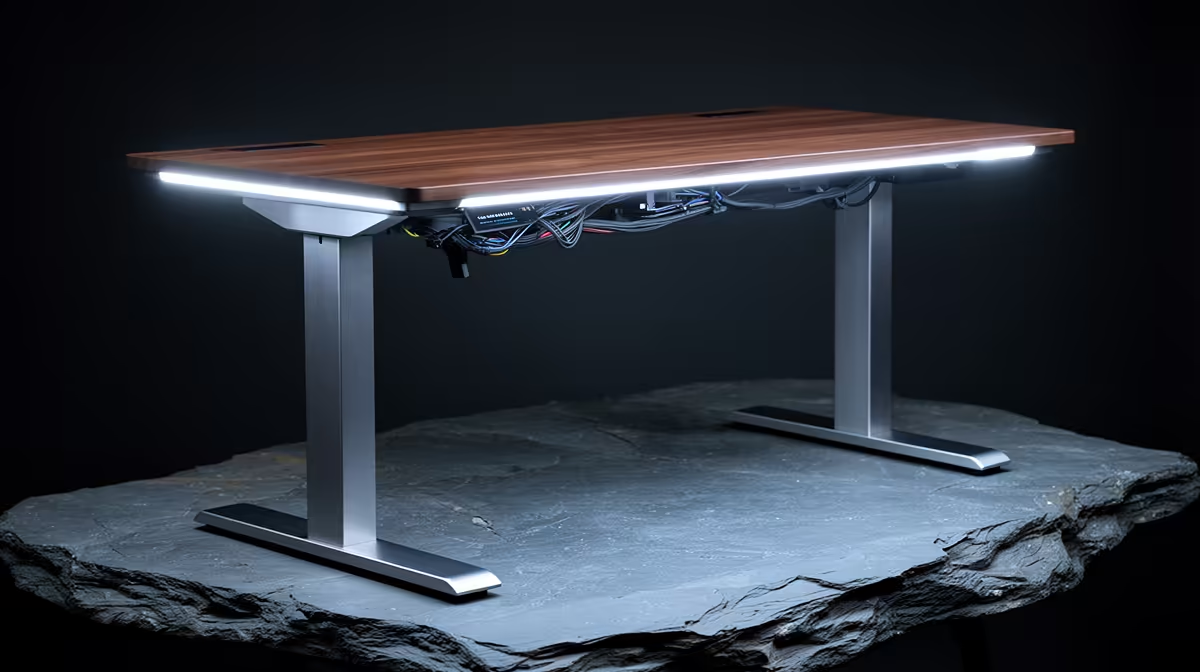
The smart standing desk for a home lab keeps the moving work surface separate from servers, network gear and storage that should remain still. Put the keyboard, monitor and laptop on the adjustable section. Place heavy lab equipment on a fixed rack or shelf so height changes cannot pull power, Ethernet or drive cables.
Divide movable and fixed equipment
The verified facts contain no standing-desk model or price. Check current Evetech availability for height range, desktop size, load rating, frame stability, cable tray, controls and warranty. Measure the room, doorway and full equipment footprint. Leave thermal clearance around any computer or network device.
Draw the desk at its lowest and highest positions. Mark every cable anchor, power lead and network run, then add slack without creating loops near feet or chair wheels. Raise a temporary work surface while another person watches the cables. Nothing fixed to the room or rack should move, tighten or lift.
Keep switches, drives and servers on stable ventilation-friendly shelving. A lab that runs continuously needs safe power distribution and a documented shutdown plan. The adjustable desk serves coding, console access and maintenance; it should not become a motorised server rack. Choose a fixed bench when most work involves open cases, heavy equipment or frequent component handling.
Designing a home-lab workspace? > Ask Evetech to compare current desks, networking gear and compact computers.