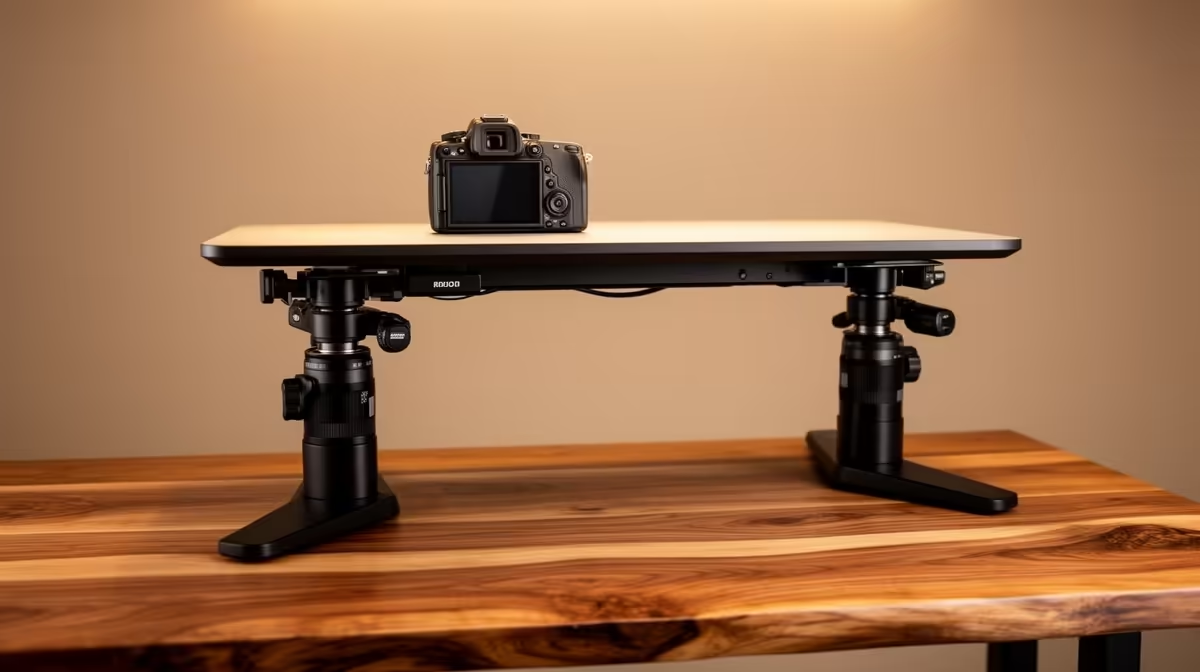
A smart standing-desk choice for podcasting supports the microphone, computer and notes without wobble or cable pull at either height. Standing can add energy to delivery, while detailed editing may feel better seated. The desk should change posture without changing microphone distance, camera framing or the safe route of audio cables.
Measure both speaking positions
Record comfortable seated and standing elbow heights, then include desktop thickness for microphone clamps. The supplied facts contain no verified standing-desk SKU. Compare current models by adjustment range, load rating, stability, presets, anti-collision behaviour and warranty. Add the weight of displays, speakers and mounted lighting before judging lifting capacity.
Protect the audio path during movement
Route microphone, headphone, display and power leads with guided slack outside lifting joints. Secure the computer and heavy mounts against tipping. Record while raising and lowering the desk, then listen for motor noise, cable knocks and changes in voice level. Mark camera and microphone positions so a preset returns the same frame.
Raise the fully loaded surface and type at the maximum planned height. A fixed desk may suit a studio where framing cannot move. Choose height adjustment when the host uses it through repeated episodes and the structure remains quiet enough for the microphone.
Place the headphone lead outside the lifting columns so a height change cannot pull the listener sideways.
Planning an adjustable podcast desk? > Explore Evetech studio accessories while verifying current standing-desk dimensions separately.