Quick Answer
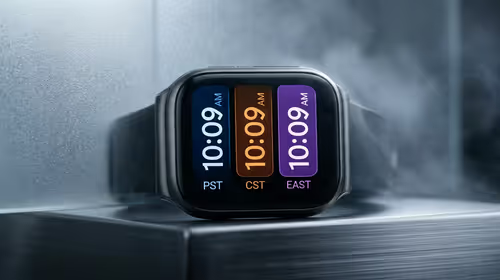
For monitoring an expensive setup, upgrade from a starter smart watch to a serious one when the entry model misses alerts or dies in under three days; a serious watch around R4,500 adds dependable notifications, a strong haptic motor and 7-day battery. Starter watches near R2,200 suit lighter monitoring.
The Starter-To-Serious Path
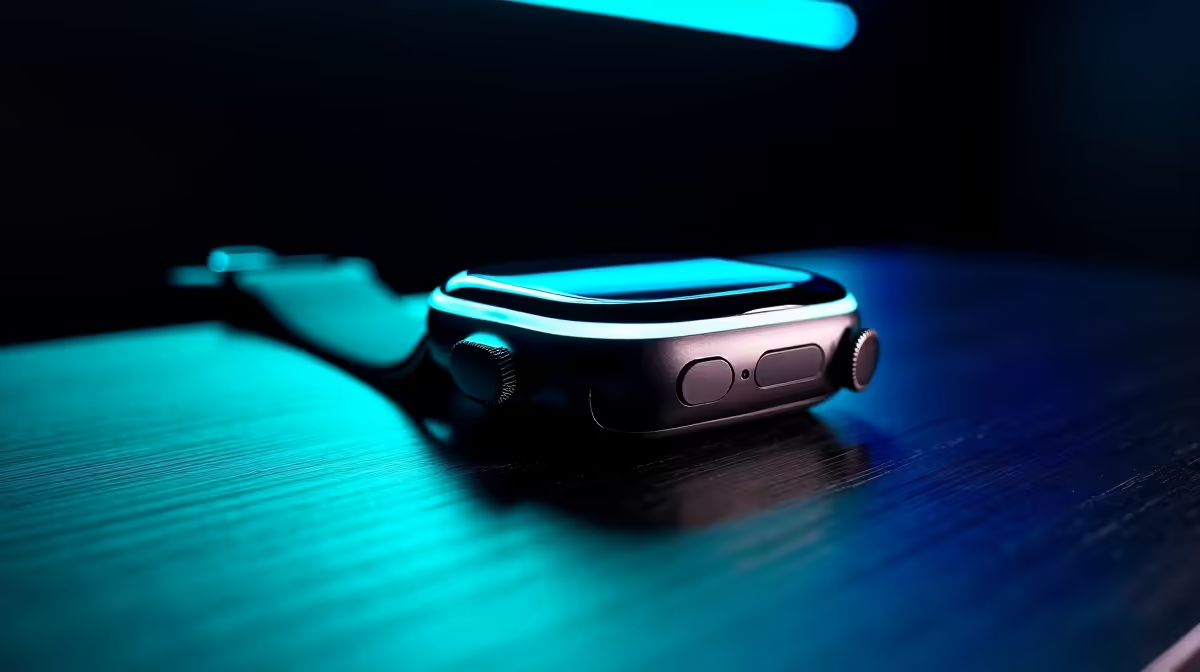
A starter watch covers basic alerts but can lag, drop notifications or run flat fast, which undermines a tool meant to warn you about your gear. The serious tier fixes exactly those weak points: rock-solid notification delivery from your phone, a haptic buzz you feel through clothing, longer 7-day battery so it is always ready, and a tougher screen and 5ATM rating for daily wear. Those reliability gains are the upgrade, not flashier features.
Decide By How Critical The Alerts Are
If a missed alert about your setup costs you little, a starter watch is fine. If you rely on instant warnings, the serious tier's reliability is worth the premium. Avoid paying extra for ECG, sleep coaching or premium materials that do nothing for alert delivery; spend the difference on a UPS or surge protection that guards the setup directly.
FAQ
When should I move from a starter to a serious watch?
When the starter misses alerts, lags or runs flat in under three days. The serious tier fixes those reliability gaps that matter for monitoring.
What makes a serious watch better for alerts?
Dependable notification delivery, a strong haptic motor you feel through clothing, and longer battery so the watch is always ready to warn you.
Are premium health features worth it for monitoring?
No; ECG and sleep coaching do nothing for alert delivery. Spend that money on a UPS or surge protection that guards the setup directly.
Upgrade to a serious watch only if reliable, instant alerts about your setup genuinely matter; otherwise a starter watch and better surge protection serve you more.