Quick Answer
For Vereeniging content creators, the Rode NT-USB Mini (R2,000–R2,500) is the recommended first studio microphone from Evetech — 24-bit/48kHz cardioid audio, USB plug-and-play, and no interface required. Step up to the Blue Yeti (R3,000–R4,000) for multi-pattern flexibility. Evetech delivers to Vereeniging in 2–3 business days via standard Gauteng courier.
The Short-List: Studio Mics for Vereeniging
HyperX SoloCast (~R900–R1,200): Budget entry. Cardioid pattern, 16-bit/48kHz, USB-A. Good for gaming commentary, Discord, and basic streaming. The cheapest step up from a headset mic.
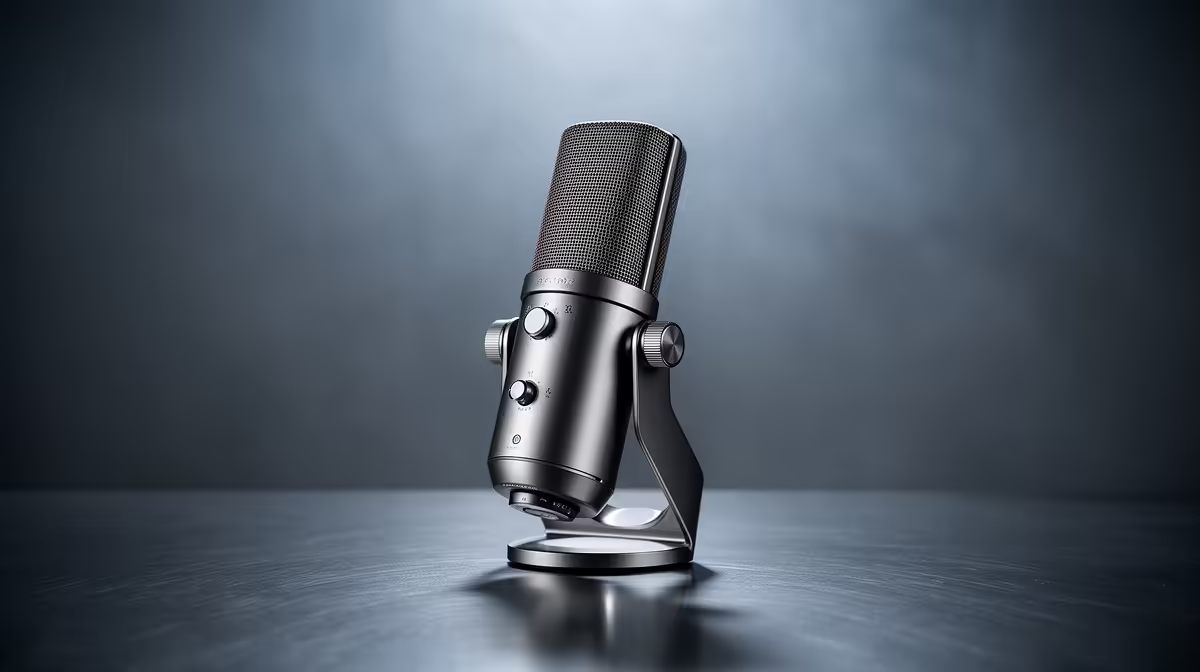
Rode NT-USB Mini (~R2,000–R2,500): The recommended mid-range pick for Vereeniging home studios. Studio-quality cardioid condenser, 24-bit/48kHz, built-in zero-latency monitoring, compact footprint. Plug in, set levels in OBS or Audacity, and start recording.
Rode PodMic USB (~R2,500–R3,000): Dynamic cardioid — handles untreated rooms better than a condenser. Rejecting background HVAC and street noise matters in Vaal Triangle residential setups. A strong alternative to the NT-USB Mini for less-than-ideal recording spaces.
Blue Yeti (~R3,000–R4,000): Multi-pattern USB mic. Ideal for interview-format podcasts, co-hosted shows, or instrument recording. Larger and heavier than the Rode options but the most versatile USB mic in this price range.
Rode NT-USB (~R3,500–R4,500): Full studio condenser, USB + XLR. The premium pick for professional voiceover or high-production podcasting in Vereeniging.
FAQ
Which studio microphone is best for a Vereeniging home studio beginner?
Start with the Rode NT-USB Mini (~R2,000–R2,500). It's the most straightforward step from gaming headset to professional-quality sound — USB plug-and-play, built-in monitoring, and clean 24-bit recording without needing an audio interface.
Rode NT-USB Mini vs Rode PodMic USB — which is better for Vereeniging creators?
In an acoustically treated or quiet room, the NT-USB Mini (condenser) sounds richer. In a typical Vereeniging home office with some room echo, the PodMic USB (dynamic) rejects background noise more effectively and gives a cleaner raw recording. If unsure, go with the PodMic USB for the more forgiving result.
Does the Blue Yeti work in South Africa with local power?
Yes — the Blue Yeti is USB-powered; it draws power directly from the PC's USB port with no adapter. There are no voltage compatibility issues. It runs on Windows 10/11 and macOS without additional drivers.
recording in an untreated home office or bedroom, the Rode PodMic USB (~R2,500–R3,000) will give you cleaner results than a condenser mic in the same space — dynamic capsules don't pick up the room reverb that makes condenser recordings sound amateur.