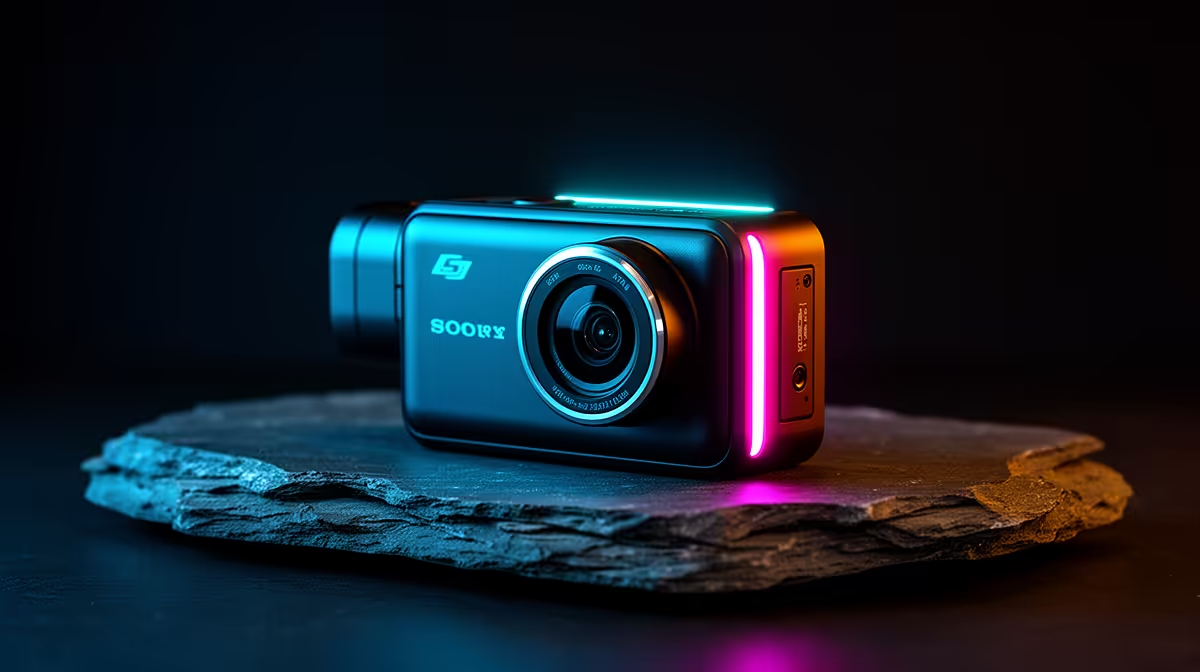
A vlogging camera is overkill for most postgraduate study unless the student regularly records field explainers, public scholarship or a research communication series. A phone or webcam may handle occasional presentations. Consent, audio clarity and file management matter before camera specifications.
Produce one complete research explainer
Record a five-minute piece on current equipment, then edit captions, references and an accessible export. Review focus, sound, lighting, setup time and whether the camera would be allowed in the location. Define who approves the content and how source material or participant identities are protected.
No dedicated vlogging camera has verified pricing in the factpacks. The Logitech Brio 100 webcam at R458 and NearStream 4K AI webcam at R678 are separate compact references, with the NearStream USB/XLR microphone at R676 for audio. Compare camera autofocus, recording limits, lens, power, storage, mounting, clean output and warranty.
Obtain consent, protect restricted research and use licensed media. Keep footage and project files in access-controlled backups. Avoid filming participants, private property or institutional spaces without approval.
Buy when the pilot exposes a recurring visual limitation and the communication work is part of the research plan. Better lighting or microphone placement may improve occasional videos more.
Use a research communication checklist covering consent, citations, captions and accessible exports.
Communicating research on video? > Compare Evetech webcams and microphones after testing the pilot.