Quick Answer
The right buy is the one that matches the actual use case, available SA stock and the rest of the setup. Use R3,500 to R12,000 as a broad local band, compare TP-Link Archer BE550, ASUS RT-BE88U and Deco BE65 mesh kits, and check BE-class radios, 2.5GbE ports and 320MHz-channel support where devices allow it before paying. The practical shortcut is to compare TP-Link Archer BE550, ASUS RT-BE88U and Deco BE65 mesh kits against BE-class radios, 2.5GbE ports and 320MHz-channel support where devices allow it and avoid paying for features that do not change daily use.
Check Fibre And Device Support
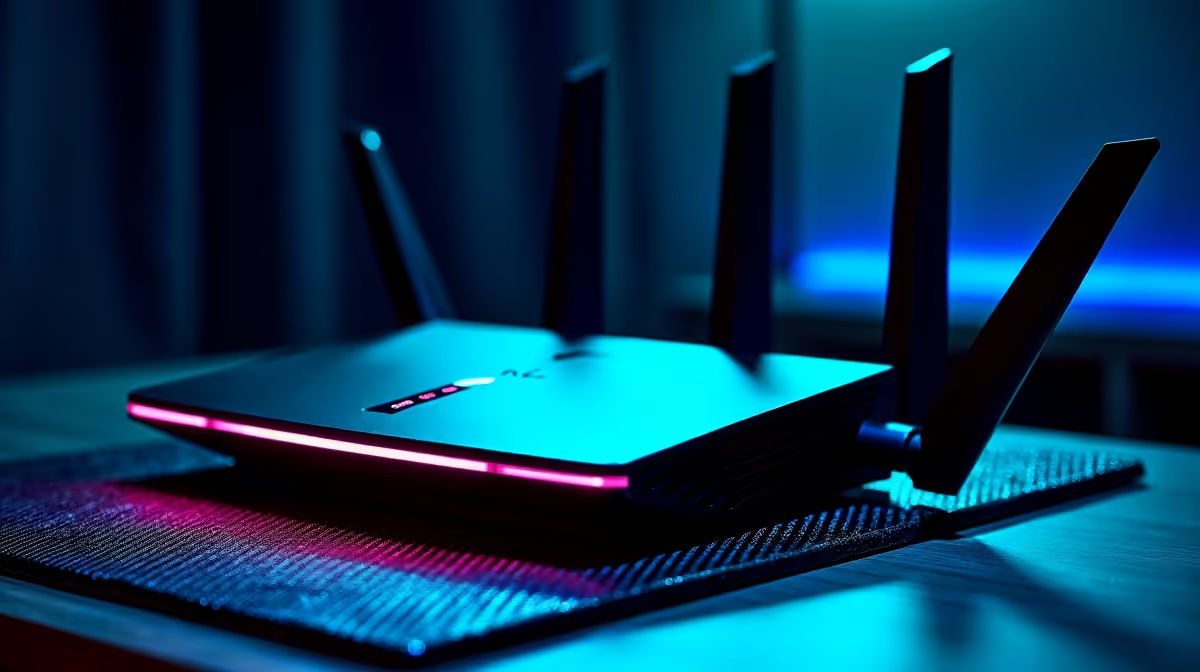
Wi-Fi 7 only matters when the router, client devices and internet link can use the extra bandwidth. TP-Link Archer BE550, ASUS RT-BE88U and Deco BE65 mesh kits are useful anchors because they show BE-class radios, 2.5GbE ports and mesh options. On Openserve, Vumatel or Frogfoot fibre, also check the ONT handoff and whether your plan is fast enough to justify the router.
When The Price Makes Sense
Use R3,500 to R12,000 as a broad SA band. Pay more if you need lower latency across many devices, a 6GHz band, stronger mesh coverage or multi-gig wired ports. If most devices are older Wi-Fi 5 or Wi-Fi 6 units, a cheaper router may solve the real problem.
Placement And Coverage
Router placement still beats spec-sheet bragging. Keep the router central, high and away from thick walls or TV cabinets. For larger homes, a two-node mesh can help more than one powerful router in the wrong room, especially across double-storey layouts.
FAQ
What should I check first before buying a Wi-Fi 7 router?
Check compatibility, warranty route and the exact spec that affects daily use. For this category, BE-class radios, 2.5GbE ports and 320MHz-channel support where devices allow it matters more than cosmetic extras.
What is a realistic SA price band?
Use R3,500 to R12,000 as a broad local planning band. Prices can move with stock, so compare the final model against the feature you will actually use every week.
Which spec number is most useful?
Use multi-gig fibre readiness for Openserve, Vumatel and Frogfoot homes as the quick benchmark. If the product cannot meet that number cleanly, step up a tier or choose a simpler model with better support.
write down your main device, monitor target, available ports and budget ceiling. Then compare Wi-Fi 7 router options against that checklist instead of the longest feature list.