

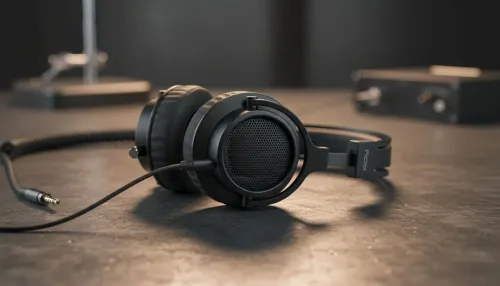
Maintain Wired Headset: Tips to Extend Lifespan
Maintain wired headset — Checklist: • inspect cables • clean earpads • store properly 🔧🎧 Practical steps to preserve sound quality and avoid premature replacements.
Read moreWired 3.5mm headsets vs wireless gaming headsets: compare latency, compatibility, and reliability to pick the best audio for competitive play 🎧⚡
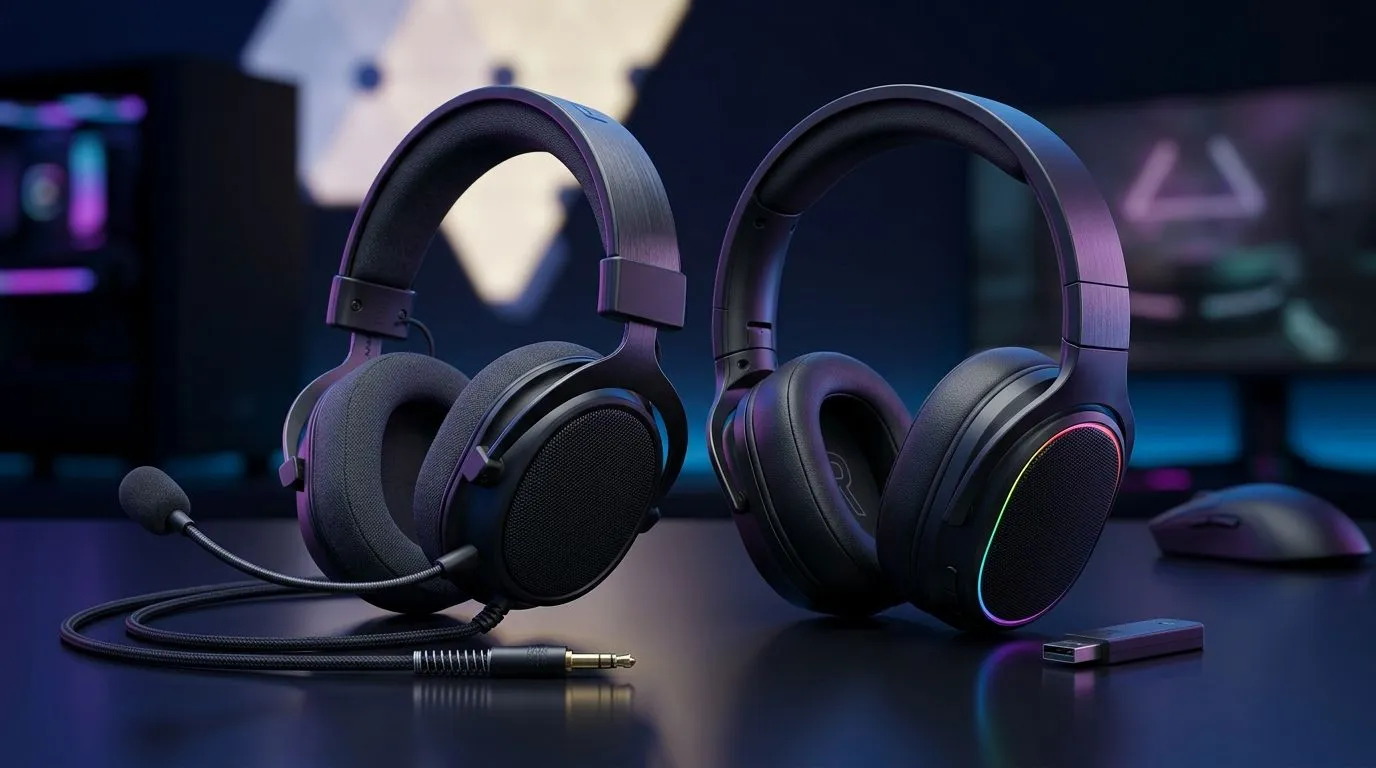
Ever had your shots feel “off” right at the worst moment? In South Africa, where load shedding and Wi‑Fi congestion are real, the audio you pick for gaming matters more than most people think. 🎧 If you’re on 3.5mm right now, you’ll love the simplicity. If you’re tempted by wireless, you want the comfort without the delay. So let’s break down Wired 3.5mm Headsets vs Wireless Gaming Headsets: Latency, Compatibility, Reliability in plain terms you can actually use before you buy.
With wired 3.5mm headsets, the sound travels via a direct electrical path. That means no radio step, so you avoid wireless link latency and dropouts. For competitive play, that predictability is hard to beat.
Wireless gaming headsets can still be very responsive, especially with low-latency USB dongles and modern codecs, but the experience depends on:
In other words, wireless can be excellent… until it isn’t.
On Windows, set your headset as the default playback device and disable “audio enhancements” in Sound settings. Then test in-game voice chat and footsteps in a custom match before ranking. That way you avoid surprise latency or weird EQ behaviour mid-session.
Compatibility is where many “great” headsets fail real life.
3.5mm wired headsets are compatible with most devices that support an audio jack: many PCs, controllers, and some consoles via the right adapter. If you’re constantly switching between platforms (or between home and a friend’s setup), wired is reliable.
Wireless gaming headsets often depend on a USB dongle or a specific transmitter. That’s fantastic for PCs, but you need to check if your console or device supports it properly.
If you want a wireless option designed for gaming-first connectivity, look at models like the Razer Barracuda X Chroma from Evetech here: Shop the Razer Barracuda X Chroma wireless headset
For broader headset matching, explore Evetech’s selection and filters: Browse Evetech’s Razer headphones and headsets range
And if you’re comparing many options quickly, start with this curated category: Headphone and headset options at Evetech
Reliability is more than “does it connect?” It includes battery behaviour (wireless), cable strain (wired), and how the headset handles long sessions.
If you’re running multi-channel audio needs (or you just want to ensure your setup supports it), check Evetech options flagged for 7.1 and choose based on how your sound card or console handles it: Explore 7.1 headphone/headset options
And if your current setup is simpler (often totally fine for FPS), you can shop by stereo support too: Explore stereo headphone and headset options
If you game in the same room and sit near your PC, wireless can be a very strong pick. If your setup changes often, or you hate troubleshooting, wired wins on peace of mind.
you play competitive shooters, run a 10-minute test: turn on a metronome or clap audio, then compare how fast you hear it versus your own actions. If timing feels “floaty”, go wired or switch to a lower-latency dongle mode where available.
Ready to Find Your Perfect Match? The Mac vs Windows debate is complex, but for maximum power, choice, and value in South Africa, Windows is hard to beat. Explore our massive range of laptop specials and find the perfect machine to conquer your world.
Yes. Wired 3.5mm headsets typically deliver lower and more consistent latency than wireless gaming headsets, making them ideal for competitive play.
2.4GHz gaming headsets with a USB dongle usually offer lower latency than Bluetooth headsets, which can add more delay in fast games.
Most PCs and controllers support 3.5mm audio, but console compatibility varies by model. Check controller ports and chat audio support.
They can. Wireless gaming headsets may suffer from interference, distance-related signal dropouts, or packet loss, especially in busy RF environments.
Battery can impact runtime and stability. Quality wireless headsets manage power well, but low charge increases the risk of disconnections.
They can. Wired headsets often avoid wireless compression artifacts, while wireless performance depends on mic quality and connection stability.
For maximum consistency and minimum lag, wired 3.5mm headsets usually win. Wireless can be great if you choose low-latency 2.4GHz models.
Confirm the connection type (dongle), platform support (PC/PS5/Xbox), USB port needs, and whether the headset supports game and chat audio properly.
Maintain wired headset — Checklist: • inspect cables • clean earpads • store properly 🔧🎧 Practical steps to preserve sound quality and avoid premature replacements.
Read more
Fix crackling headset fast: step-by-step checks for cables, connectors, drivers, and settings to remove static or distorted audio on wired headsets 🎧⚙️
Read more
Stereo vs mono headsets: learn which delivers clearer calls, better spatial music, or simpler mono voice performance — pick the right headset for meetings, music, or gaming 🎧💬
Read more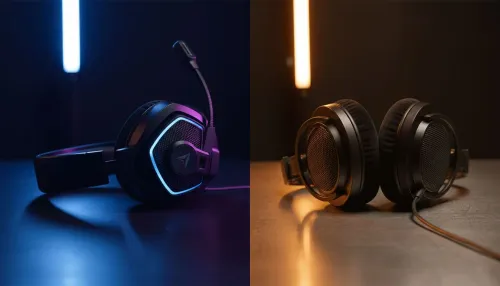
- Compare gaming headset vs studio headphones; - Assess comfort, mic and sound; - Recommend best daily picks. Gaming headset vs studio headphones: learn which suits work, music and casual gaming. 🎧⚖️
Read more
- Check pressure points - Compare earcup materials - Adjust clamp and fit Best gaming headsets for glasses: quick guide to reduce temple pressure, pick breathable memory foam earcups, and optimize fit for long sessions 🕹️👓
Read more
Gaming microphone noise reduction: Use beamforming mics, AI noise suppression, and hardware filters to cut background noise and boost in-game voice clarity. 🎧⚙️ Learn setups, settings, and top mic features.
Read more
Snapdragon X2 NPU Explained: How 80 TOPS Changes. Plain-English explanation of what it means, why it matters & how it affects your buying decisions in SA.

HBM? High Bandwidth Memory Used in GPUs and AI. Plain-English explanation of what it means, why it matters & how it affects your buying decisions in SA.
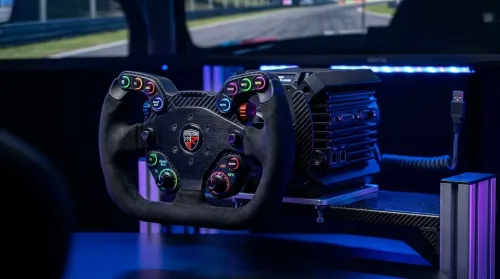
How much should you spend on sim racing accessories in South Africa for a realistic setup? We break down budgets by quality tiers, so you buy smart gear and avoid overspending 🎮💸

G-Sync and FreeSync? Variable Refresh Rate. Plain-English explanation of what it means, why it matters & how it affects your buying decisions in SA.

AMD Laptop: Value. SA-focused analysis with local pricing data, real-world insights & actionable buying advice.
How MacBook Neo Handles 30+ Chrome Tabs with Only. SA-focused analysis with local pricing data, real-world insights & actionable buying advice.

Why Apple Put 8GB RAM in MacBook Neo: The A18 Pro. SA-focused analysis with local pricing data, real-world insights & actionable buying advice.
Upgrade your work laptop with a New Motherboard. Step-by-step instructions with SA-specific tips, common pitfalls to avoid & expert recommendations.
Maintain wired headset — Checklist: • inspect cables • clean earpads • store properly 🔧🎧 Practical steps to preserve sound quality and avoid premature replacements.
Fix crackling headset fast: step-by-step checks for cables, connectors, drivers, and settings to remove static or distorted audio on wired headsets 🎧⚙️
Stereo vs mono headsets: learn which delivers clearer calls, better spatial music, or simpler mono voice performance — pick the right headset for meetings, music, or gaming 🎧💬
- Compare gaming headset vs studio headphones; - Assess comfort, mic and sound; - Recommend best daily picks. Gaming headset vs studio headphones: learn which suits work, music and casual gaming. 🎧⚖️