

RTX 4060 Ti Throttling Under Load: SA Temperature Guide
RTX 4060 Ti Throttling Under Load: Temperature. Everything you need to know with SA pricing, step-by-step instructions & expert recommendations.
Read moreWolverine ray tracing explains reflections, shadows, and global illumination so you can tune quality vs FPS and pick optimal settings for your GPU. 🎮🔧
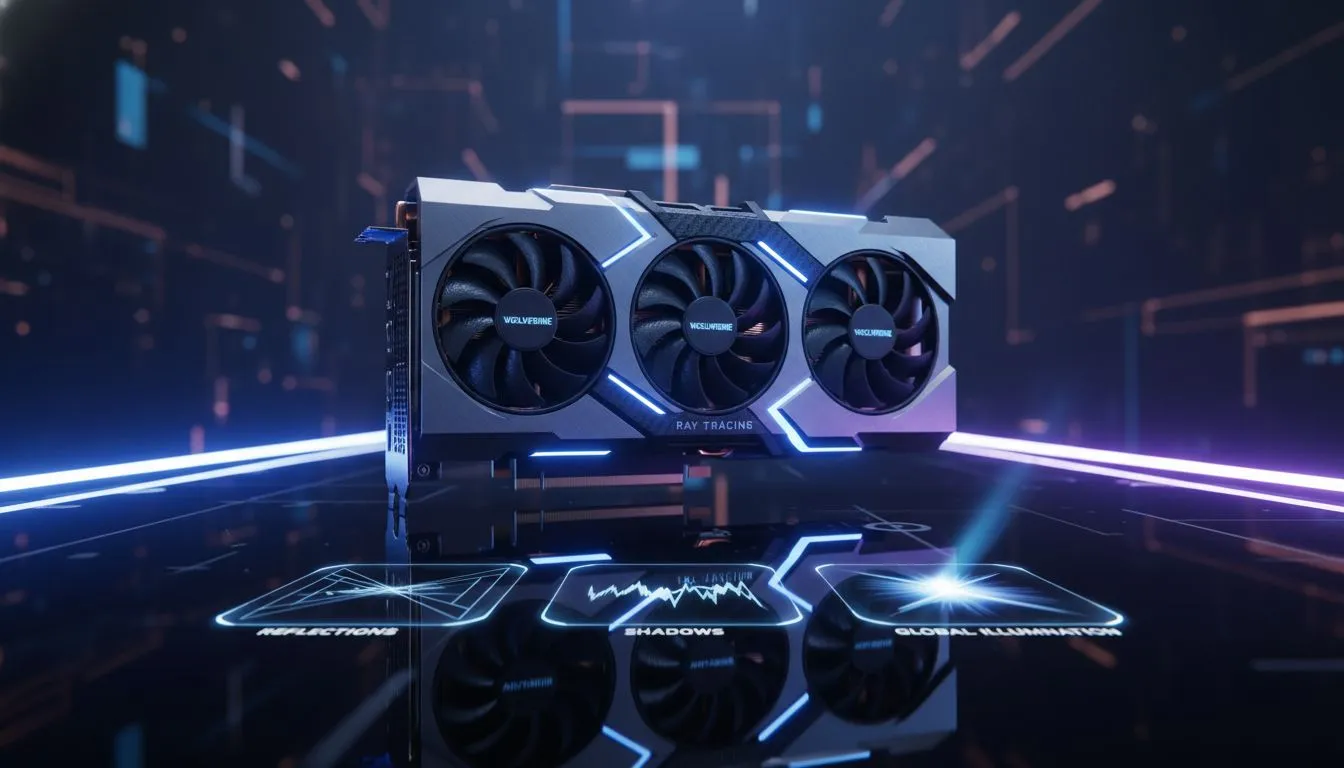
Logan is finally coming to the PS5 and PC. His adamantium claws are more than just weapons... they are mirrors for the world around him. In the upcoming Insomniac title, Wolverine Ray Tracing: Reflections vs Shadows vs Global Illumination will define the visual experience. For South African fans, seeing the mutant in 4K requires serious hardware. Let's break down how these lighting technologies bring the X-Man to life ✨.
Adamantium is notoriously difficult to render. It is a dense, polished metal that should reflect every spark and muzzle flash. Standard cube maps cannot handle the dynamic nature of a fast-paced brawl. Ray-traced reflections ensure that Logan’s claws accurately show the environment behind him. To maintain high frame rates while pushing these pixels, many local gamers are looking at MSI graphics cards for their superior cooling and factory overclocks.
If your frame rates dip during heavy combat, try lowering the reflection resolution specifically. In most modern titles, setting ray-traced reflections to 'Medium' or 'Half-Resolution' saves massive amounts of VRAM while keeping the metallic sheen looking sharp on 1440p displays.
Wolverine often lurks in the shadows... but those shadows need to look real. Traditional shadow maps often look blocky or "leak" light in corners. Ray-traced shadows calculate the exact path of light from a source to an object. This creates soft, realistic edges that blur naturally as the distance increases. Finding the right balance between performance and visual fidelity is easier when you browse the full range of NVIDIA and ATI graphics cards available today.
Global Illumination (GI) is the most demanding part of the Wolverine Ray Tracing: Reflections vs Shadows vs Global Illumination trio. It simulates how light bounces off one surface onto another. Imagine Logan standing in a lush, green forest. GI ensures the green hue of the leaves subtly tints his suit. While heavy on resources, AMD Radeon graphics cards have made massive strides in handling these complex light calculations via their dedicated Ray Accelerators 🚀.
Not everyone needs a flagship monster to enjoy modern visuals. For those looking for a capable entry into the world of ray tracing, Intel Arc graphics cards provide a compelling value proposition in the South African market. These cards handle ray-traced reflections surprisingly well for their price point. Meanwhile, professionals who are actually building these digital worlds often rely on workstation graphics cards to render complex scenes in real-time.
If you have to choose just one setting to crank up, reflections are the winner for Wolverine. The way light interacts with his claws is central to his character design. Shadows add mood, but reflections add life. Whether you are hunting in the wilderness or fighting in a neon-lit bar, ray tracing makes the experience feel tangible 🔧.
Ready to Upgrade Your Gaming Rig? The battle between reflections, shadows, and global illumination is won with the right hardware. For the best deals on GPUs in South Africa and expert advice on your next build, explore our massive range of graphics cards and find the perfect machine to conquer your world.
Wolverine ray tracing is a real-time rendering method that simulates light paths for reflections, shadows, and global illumination to boost realism.
Reflections trace light bounces for specular detail; shadows compute occlusion and penumbra. Ray traced reflections often cost more in complex scenes.
Global illumination simulates indirect light bounces and color bleed. Wolverine global illumination adds rich ambient lighting at a notable GPU cost.
Yes. Global illumination usually impacts FPS the most because it calculates many indirect bounces; reflections and shadows can be tuned to save performance.
Lower ray counts, enable denoising, reduce reflection quality, use screen-space alternatives, and enable adaptive sampling to improve Wolverine ray tracing performance.
RT cores, shader throughput, VRAM, and driver support matter most; GPUs with dedicated RT hardware noticeably boost Wolverine ray tracing performance.
Ray traced shadows offer softer penumbra and accurate occlusion, but optimized shadow maps can match quality at lower performance cost depending on the scene.
RTX 4060 Ti Throttling Under Load: Temperature. Everything you need to know with SA pricing, step-by-step instructions & expert recommendations.
Read more
Apex Legends Max Settings on RTX 4080. Tested & verified settings for best FPS and visual quality on SA hardware budgets.
Read more
GPU Buying Guide. Everything you need to know with SA pricing, step-by-step instructions & expert recommendations.
Read more
GPU Terms Guide. Everything you need to know with SA pricing, step-by-step instructions & expert recommendations.
Read more
AMD Adrenalin Download & Setup Guide: GPU. Clear setup instructions with SA-specific considerations, troubleshooting tips & recommended components.
Read more
Back-to-School GPU Buying Guide. Everything you need to know with SA pricing, step-by-step instructions & expert recommendations.
Read more
Snapdragon X2 NPU Explained: How 80 TOPS Changes. Plain-English explanation of what it means, why it matters & how it affects your buying decisions in SA.
HBM? High Bandwidth Memory Used in GPUs and AI. Plain-English explanation of what it means, why it matters & how it affects your buying decisions in SA.
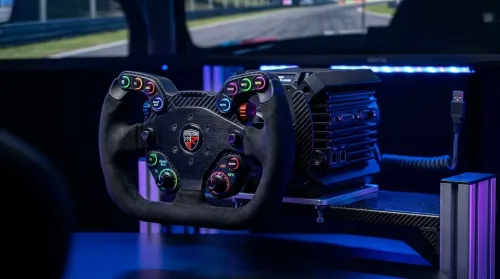
How much should you spend on sim racing accessories in South Africa for a realistic setup? We break down budgets by quality tiers, so you buy smart gear and avoid overspending 🎮💸
G-Sync and FreeSync? Variable Refresh Rate. Plain-English explanation of what it means, why it matters & how it affects your buying decisions in SA.
AMD Laptop: Value. SA-focused analysis with local pricing data, real-world insights & actionable buying advice.
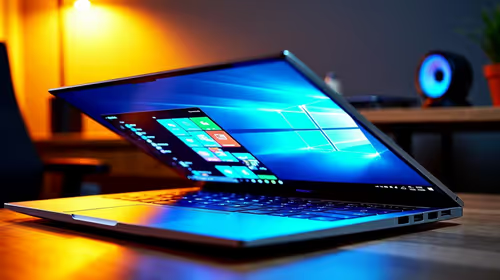
How MacBook Neo Handles 30+ Chrome Tabs with Only. SA-focused analysis with local pricing data, real-world insights & actionable buying advice.

Why Apple Put 8GB RAM in MacBook Neo: The A18 Pro. SA-focused analysis with local pricing data, real-world insights & actionable buying advice.
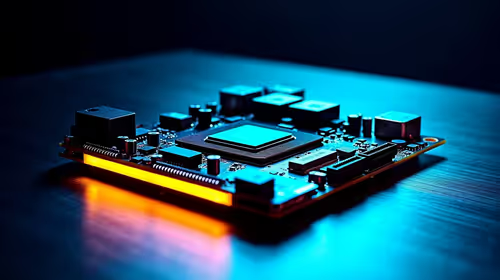
Upgrade your work laptop with a New Motherboard. Step-by-step instructions with SA-specific tips, common pitfalls to avoid & expert recommendations.
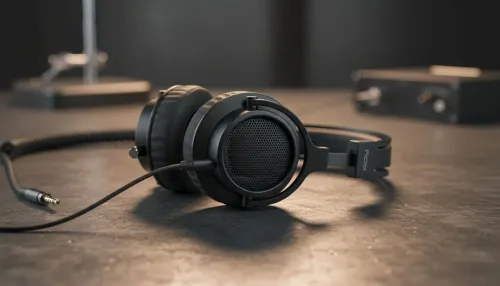
Maintain wired headset — Checklist: • inspect cables • clean earpads • store properly 🔧🎧 Practical steps to preserve sound quality and avoid premature replacements.
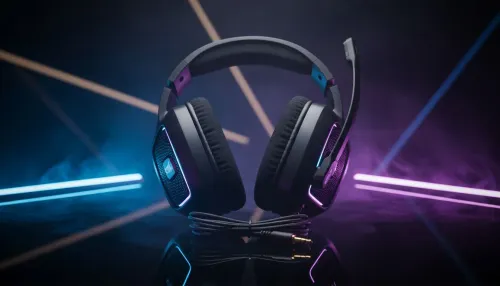
Fix crackling headset fast: step-by-step checks for cables, connectors, drivers, and settings to remove static or distorted audio on wired headsets 🎧⚙️
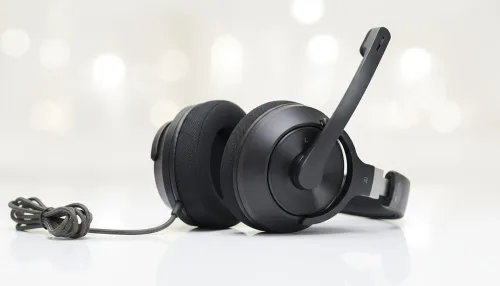
Stereo vs mono headsets: learn which delivers clearer calls, better spatial music, or simpler mono voice performance — pick the right headset for meetings, music, or gaming 🎧💬
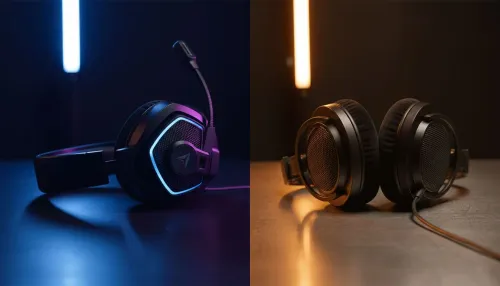
- Compare gaming headset vs studio headphones; - Assess comfort, mic and sound; - Recommend best daily picks. Gaming headset vs studio headphones: learn which suits work, music and casual gaming. 🎧⚖️