Is 16GB VRAM for 1080p and 1440p gaming actually necessary?
Choosing a new GPU in South Africa is a massive commitment. With prices fluctuating and games getting hungrier for memory, you might wonder if 16GB VRAM for 1080p and 1440p gaming is a smart move or just expensive overkill. We have seen a shift in how modern titles use memory. Is it time to stop settling for 8GB and future-proof your rig for the long haul? 🚀
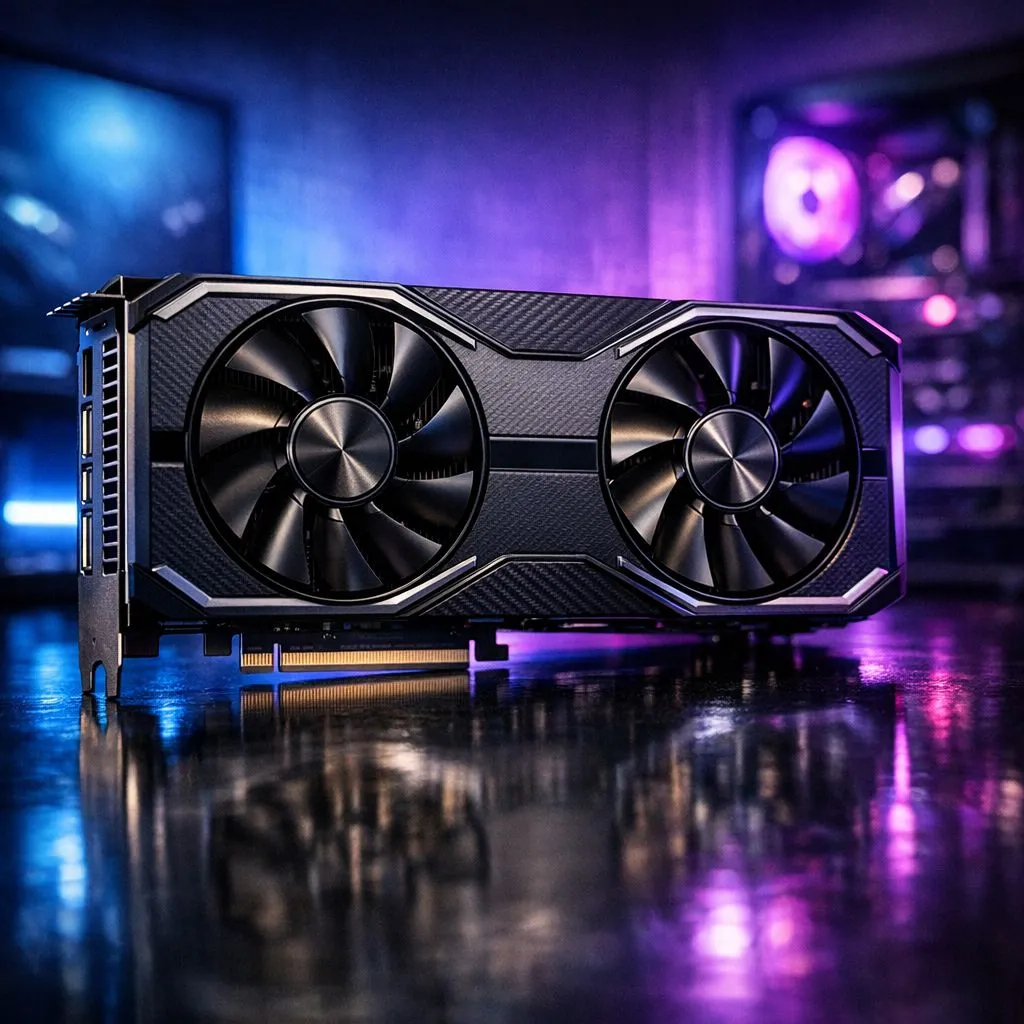
When you browse the latest Nvidia and AMD graphics cards, the memory spec often dictates the price. For a long time, 8GB was the gold standard for 1080p. However, recent AAA titles are starting to push those boundaries. If you enjoy playing with "Ultra" textures, that 8GB buffer can fill up quickly. This leads to stuttering or blurry textures as the system swaps data to your slower system RAM.
The sweet spot for 1440p performance
At 1440p, the demand for video memory increases significantly. Higher resolutions require larger frame buffers. If you are looking at the current selection of GeForce Graphics Cards, you will notice that 12GB or 16GB models are becoming more common in the mid-range. This extra headroom ensures that your frame rates stay stable during intense firefights or when exploring vast open worlds.
For many South African gamers, a GPU is an investment that needs to last three to five years. Opting for 16GB VRAM for 1080p and 1440p gaming provides a safety net. It means you won't have to lower your settings the moment a new game launches next year. AMD has been particularly aggressive here. Their high-performance Radeon Graphics Cards often offer more VRAM at lower price points compared to the competition. ⚡
VRAM Monitoring Tip ⚡
Use an overlay like MSI Afterburner while gaming. Keep an eye on the 'VRAM Usage' metric. If it consistently hits within 500MB of your card's limit, you are likely experiencing micro-stutters. Lowering 'Texture Quality' by one notch is the fastest way to reclaim memory without ruining the visuals.
Future-proofing and visual fidelity
It is not just about resolution. Ray tracing and high-resolution texture packs eat VRAM for breakfast. If you want to enable these features, 16GB becomes much more attractive. Even at 1080p, some modern ports from consoles require more than 10GB to run smoothly at max settings. Brands like MSI have refined their cooling to handle these high-capacity chips. You can find several sleek MSI graphics cards that balance thermals with high memory clocks. ✨
In conclusion, while 8GB is still "fine" for today, it is becoming the bare minimum. If your budget allows for it, 16GB VRAM for 1080p and 1440p gaming is a fantastic way to ensure your PC remains relevant. It prevents the frustration of "out of memory" errors and keeps your gameplay buttery smooth. 🔧