Understanding the Backbone of Mesh Networking
Tired of lag while gaming in Joburg or streaming in Cape Town? Mesh Wi-Fi promised to fix dead zones... but sometimes it feels sluggish. The secret isn't just more nodes. It is how those nodes talk to each other. Multi-band backhaul is the invisible engine that keeps your ping low. It ensures your speeds stay high across your entire home.
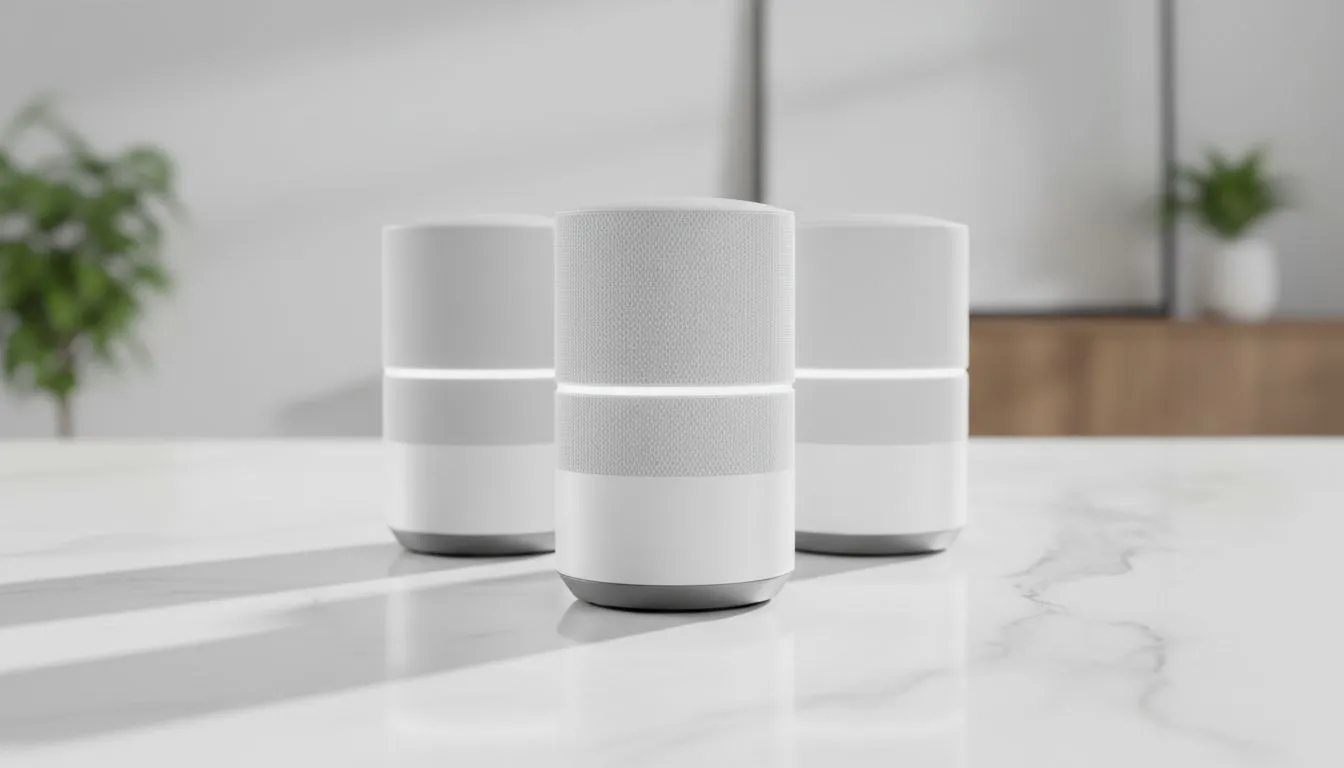
When you invest in modern wireless networking hardware, you are essentially building a digital highway. In a mesh setup, "backhaul" is the dedicated lane used for communication between the main router and its satellites. If this lane is narrow, your connection suffers. This is where multi-band backhaul becomes essential for performance.
Why Multi-Band Backhaul Changes Everything
Standard mesh systems often use a single band for both your devices and the node-to-node communication. This creates a bottleneck. Imagine a single-lane road trying to handle local traffic and heavy freight at the same time. By using multi-band backhaul, the system dedicates specific frequencies... like a second 5GHz or a 6GHz band... purely for the nodes to talk.
This technology significantly boosts mesh performance by reducing interference. When you buy high-end wireless routers, they often feature tri-band or quad-band capabilities. This allows the system to move data between nodes without stealing bandwidth from your gaming PC or console. It results in a much more stable experience during peak usage times. ⚡
Optimising Your Home Network for Gaming 🔧
South African homes often have thick brick walls. These walls are notorious for killing Wi-Fi signals. Unlike basic wireless range extenders that simply repeat a weakened signal, a multi-band mesh system maintains high throughput. It intelligently switches the backhaul frequency based on the environment.
Even if you have the best wireless adapters in your rig, they can only perform as well as the network allows. A dedicated backhaul ensures that the "hop" between nodes does not add massive latency. For a local gamer, this means the difference between a 20ms ping and a frustrating 150ms spike. 🚀
Mesh Placement Pro Tip ⚡
Always try to maintain a clear line of sight between your mesh nodes where possible. Even with multi-band backhaul, placing a node behind a heavy appliance or a fish tank can degrade the signal. Aim for an elevated position to ensure the dedicated backhaul bands can penetrate through the house with minimal obstruction.
Future-Proofing with Multi-Band Technology
As South Africa sees more affordable fibre packages, our home networks must keep up. A system that supports multi-band backhaul is an investment in the future. It handles more devices simultaneously without the dreaded "buffering" wheel. Whether you are working from home or competing in an eSports tournament... reliability is king. 🏠
Ready to Eliminate Lag for Good?
Don't let a weak connection hold you back from victory. For the best mesh systems and networking gear in South Africa, we have you covered. Explore our massive range of wireless networking specials and find the perfect setup to conquer your digital world.