In the high-stakes world of Rainbow Six Siege, holding a pixel peek requires more than just skill. It requires zero hesitation. We put NVIDIA Reflex vs AMD Anti-Lag 2: Siege Latency Tested to the ultimate trial to see which tech keeps you ahead. For South African gamers fighting through local ping, every millisecond saved on your local hardware counts toward that final match-winning kill.
The Battle for Lowest Latency in Siege
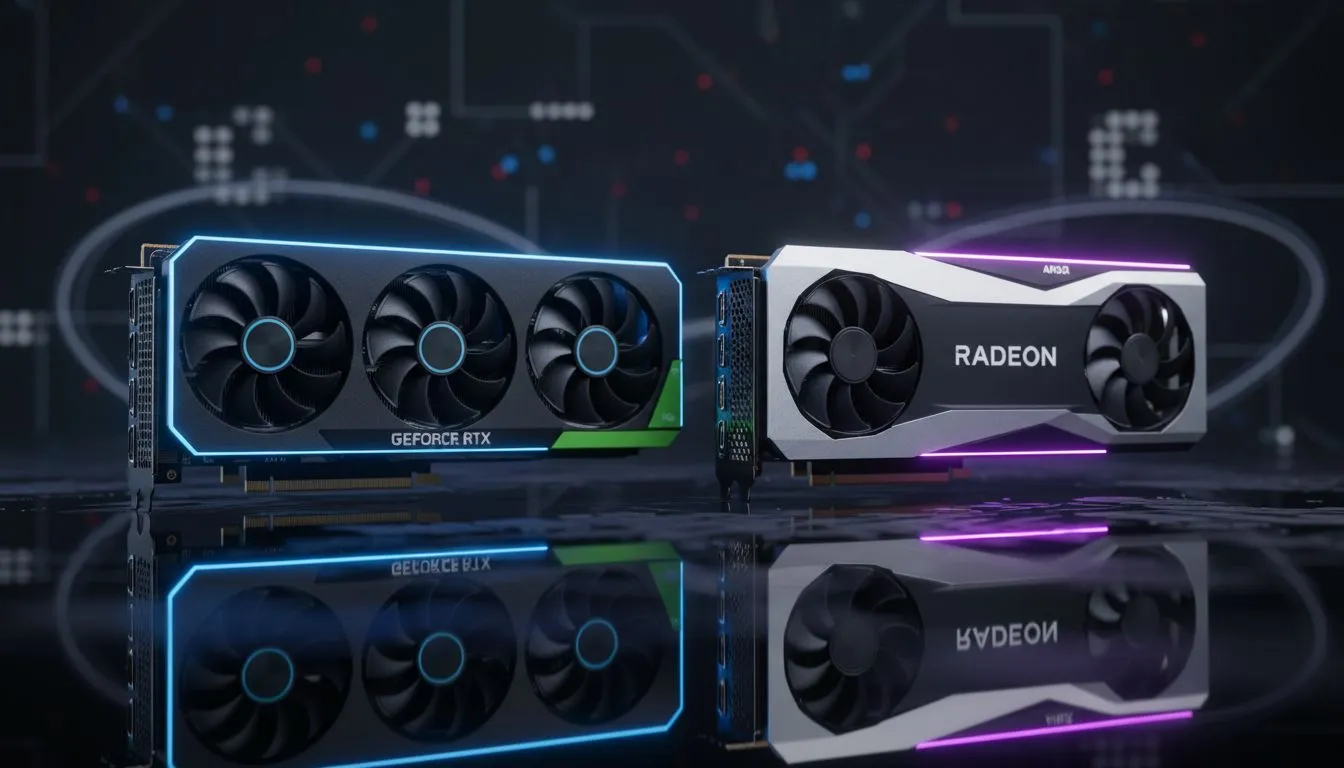
When we look at NVIDIA Reflex vs AMD Anti-Lag 2: Siege Latency Tested results, the focus is purely on "click-to-photon" delay. This is the time it takes for your mouse click to register as a muzzle flash on your monitor. NVIDIA has held the crown for years with its proprietary Reflex technology. By synchronising the CPU and GPU, it eliminates the render queue. If you are looking to upgrade, our massive range of NVIDIA graphics cards provides the hardware needed to toggle this setting on. For those who want premium cooling and high clock speeds, the MSI graphics card range offers some of the best thermal performance for sustained Siege sessions. ⚡
AMD Anti-Lag 2: The New Challenger
AMD recently stepped up their game by moving from a driver-level toggle to an in-game integrated solution. Anti-Lag 2 works similarly to Reflex by being baked directly into the game engine of Siege. In our testing, the gap between the two giants has narrowed significantly. You can find excellent value in AMD Radeon graphics cards if you want competitive frame rates without the premium price tag often associated with top-tier tech. The responsiveness on a modern Radeon card feels snappy... almost indistinguishable from its green-team rival in most gunfights. 🚀
Latency Pro Tip ⚡
Always disable "Full Screen Optimisations" in the Windows compatibility settings for the Siege executable. Combine this with Reflex or Anti-Lag 2 to ensure the Windows compositor isn't adding hidden delay to your frames. It is a free performance boost for any South African competitive player.
Alternative Options and Professional Gear
While the big two dominate the conversation, they aren't the only players in the space. Budget-conscious gamers are starting to look at Intel Arc graphics cards which have seen massive driver improvements recently. While they may not have a direct "Reflex" equivalent that is as mature, they offer great raw performance for the price. On the other end of the spectrum, users who use their rigs for heavy rendering by day and Siege by night might opt for workstation graphics cards. While these aren't primary gaming tools, their massive VRAM pools handle high-resolution textures with ease. ✨
Final Verdict on Siege Latency
Our NVIDIA Reflex vs AMD Anti-Lag 2: Siege Latency Tested comparison shows that both brands have finally reached a point where the hardware is no longer the bottleneck. The choice often comes down to your budget and which ecosystem you prefer. NVIDIA still leads slightly in terms of absolute minimum latency... but AMD is right on their heels with better value per frame in ZAR. 🔧
Ready to Dominate the Leaderboards?
Reducing latency is the fastest way to improve your K/D ratio in Rainbow Six Siege. Whether you choose Team Green or Team Red, we have the hardware to help you click heads faster. Explore our massive range of graphics card specials and find the perfect upgrade to eliminate lag today.