RE Requiem has arrived, and it is hauntingly beautiful. If you are exploring its dark corridors, you know that lighting is the real star of the show. But which setting should you prioritise? Our RE Requiem Ray Tracing: Shadows vs Reflections Guide breaks down the visual impact versus the performance cost. It is time to optimise your rig for the ultimate horror experience in South Africa.
The Depth of Ray-Traced Shadows
Ray-traced shadows are the backbone of horror. In RE Requiem, they provide a sense of grounded reality that standard shadow maps simply cannot match. Standard shadows often look jagged or "floaty" when you get close to an object. Ray tracing fixes this by calculating light paths in real-time. This creates soft, realistic edges that vary based on the distance from the light source.
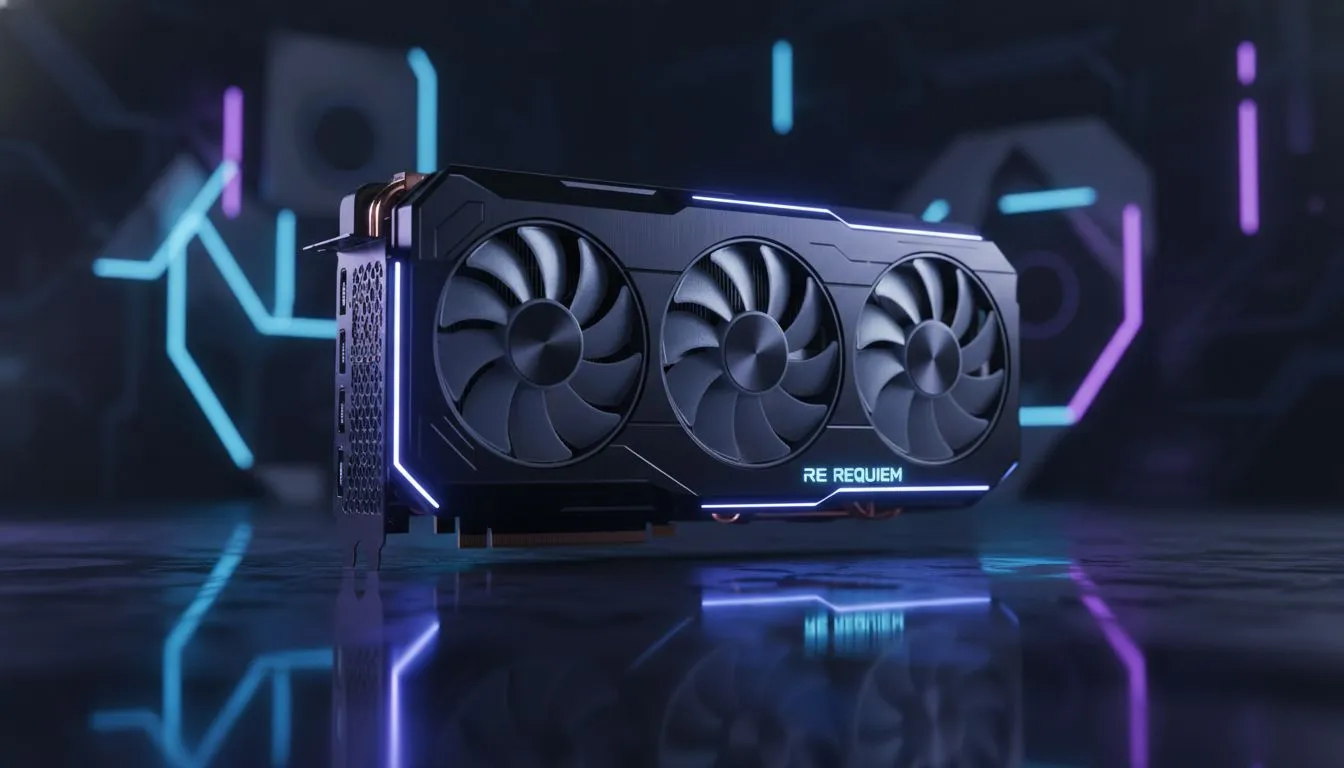
If you are looking to upgrade your rig to handle these complex calculations, Evetech offers a massive selection of NVIDIA and ATI graphics cards to suit every budget. Shadows are often less taxing on your VRAM than reflections... making them a great starting point for players with mid-range setups. You will notice the difference immediately in the way the protagonist’s torch flickers against the damp stone walls.
The Polish of Ray-Traced Reflections
Reflections often provide that "next-gen" sparkle. In RE Requiem, this means seeing the terrifying environment mirrored in blood-stained floors or cracked windows. While stunning, these reflections are incredibly demanding. They require the GPU to render the scene multiple times from different angles.
To push these settings to the max, many local gamers opt for premium MSI graphics cards known for their superior cooling and overclocking potential. Keeping your card cool is vital when those intense reflections start heating up your chassis during a late-night gaming session in the Durban humidity. ✨
Performance Pro Tip ⚡
If you are struggling to maintain a steady 60 FPS with both settings enabled, prioritise Ray-Traced Shadows first. They contribute more to the overall "dread" and atmosphere of the game. You can then use upscaling tech like DLSS or FSR to claw back some of those lost frames without losing much visual clarity.
Finding the Balance for South African Gamers
Not everyone needs a R20,000 GPU to enjoy RE Requiem. The market has shifted... and there are now more choices than ever. For those looking for a modern entry point into ray tracing, the budget-friendly Intel Arc graphics cards provide surprisingly competent RT performance for the price. They are perfect for 1080p gamers who want to see what the fuss is about without breaking the bank. 🔧
On the other hand, if you value raw power and massive VRAM pools, the latest AMD Radeon graphics cards are excellent contenders. Their FSR 3 technology can help bridge the gap when you decide to turn both shadows and reflections to "Ultra" settings. 🚀
Professional and Hybrid Setups
We also see many creators in South Africa using their machines for more than just gaming. If you are a 3D artist by day and a survivor by night, high-end workstation graphics cards can handle the heavy lifting of RE Requiem while remaining stable for professional rendering tasks. It is all about choosing the right tool for your specific workflow and playstyle. ⚡
Ultimately, our RE Requiem Ray Tracing: Shadows vs Reflections Guide suggests that shadows win for atmosphere, while reflections win for spectacle. If your frame rate dips below 45 FPS... it might be time to dial back the reflections and let the shadows do the talking.
Ready to Find Your Perfect Match? The choice between shadows and reflections is tough, but choosing your hardware shouldn't be. For maximum power, choice, and value in South Africa, Evetech has you covered. Explore our massive range of graphics card specials and find the perfect machine to conquer RE Requiem.