Optimising Your Setup with Reduce Eye Strain Monitor Tips
Ever finished a marathon session in Warzone only to feel like your eyes are full of sand? You are not alone. Many South Africans spend over eight hours a day staring at digital displays. Learning these reduce eye strain monitor tips can save your vision... and your K/D ratio. Small changes to your desk layout make a massive difference.
The Role of Positioning and Refresh Rates in Eye Health
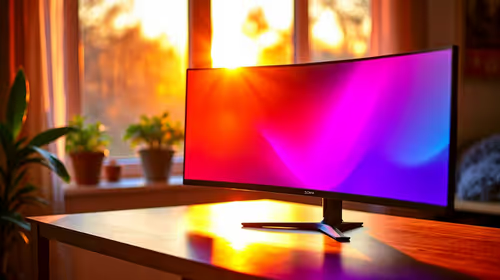
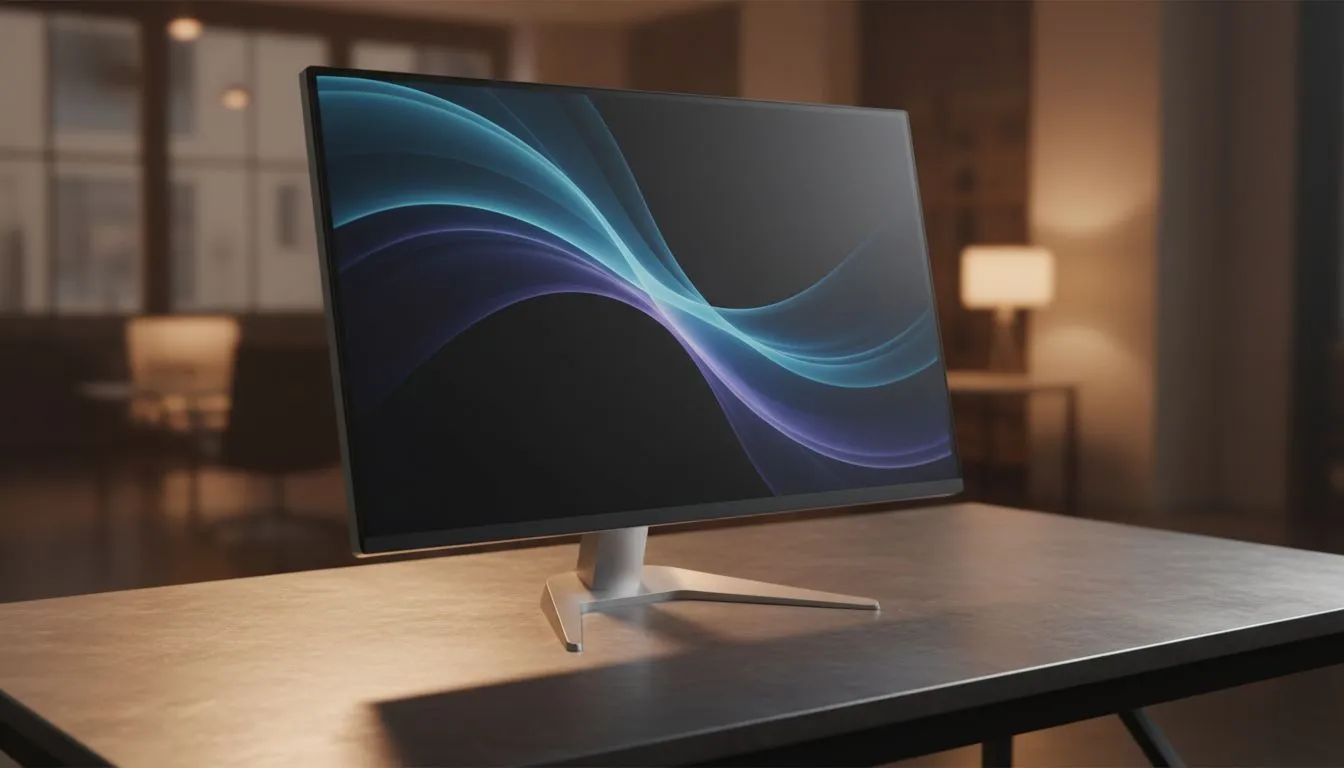
Your screen should sit exactly at arm's length from your face. The top of the monitor should align with your eye level. This prevents neck strain and keeps your focus natural. If you need a secondary screen, browse our massive range of pc monitors to find a height-adjustable model.
Low refresh rates cause subtle flickering that tires your brain. Higher refresh rates make movement fluid and easy on the eyes. To stop screen tearing, look for Adaptive Sync technology. For Team Red fans, choosing a display with FreeSync (AMD) ensures a tear-free experience. Meanwhile, NVIDIA users should prioritise G-Sync (NVIDIA) to keep visuals stable.
The 20-20-20 Rule ⚡
Every 20 minutes, look at something 20 feet away for 20 seconds. This simple habit helps your eye muscles relax. It is especially useful during those long office hours or intense ranked matches.
Why Panel Technology and Screen Shape Matter
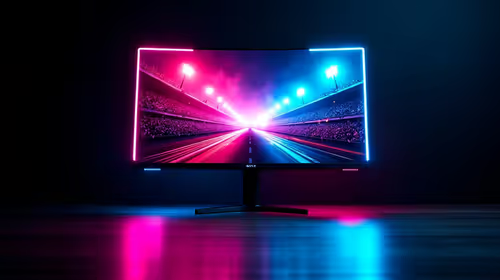
The type of panel matters for clarity. An IPS panel offers the best viewing angles and colour accuracy. This reduces the need to squint during dark scenes. Some users prefer a Flat screen for traditional design work. However, many gamers find that Curved monitors match the natural arc of the human eye... making long sessions much more comfortable.
Investing a few extra ZAR in a high-quality screen is a health investment. Better tech means fewer headaches and more time doing what you love. 🔧 🚀
Ready to Find Your Perfect Match? The Mac vs Windows debate is complex, but for maximum power, choice, and value in South Africa, Windows is hard to beat. Explore our massive range of laptop specials and find the perfect machine to conquer your world.