Why Your Frames Are Dropping in Valorant
Struggling with stuttering during a frantic site execute on Lotus? If you’ve got a high-end GPU but your frame rate still dips below your monitor’s refresh rate, you are likely Valorant CPU bound. In 2026, Riot’s tactical shooter demands more processing power than ever to maintain those silky-smooth 360Hz visuals. Let's look at how to boost FPS and keep your headshot percentage high. ⚡
Understanding the Valorant CPU Bound Dilemma
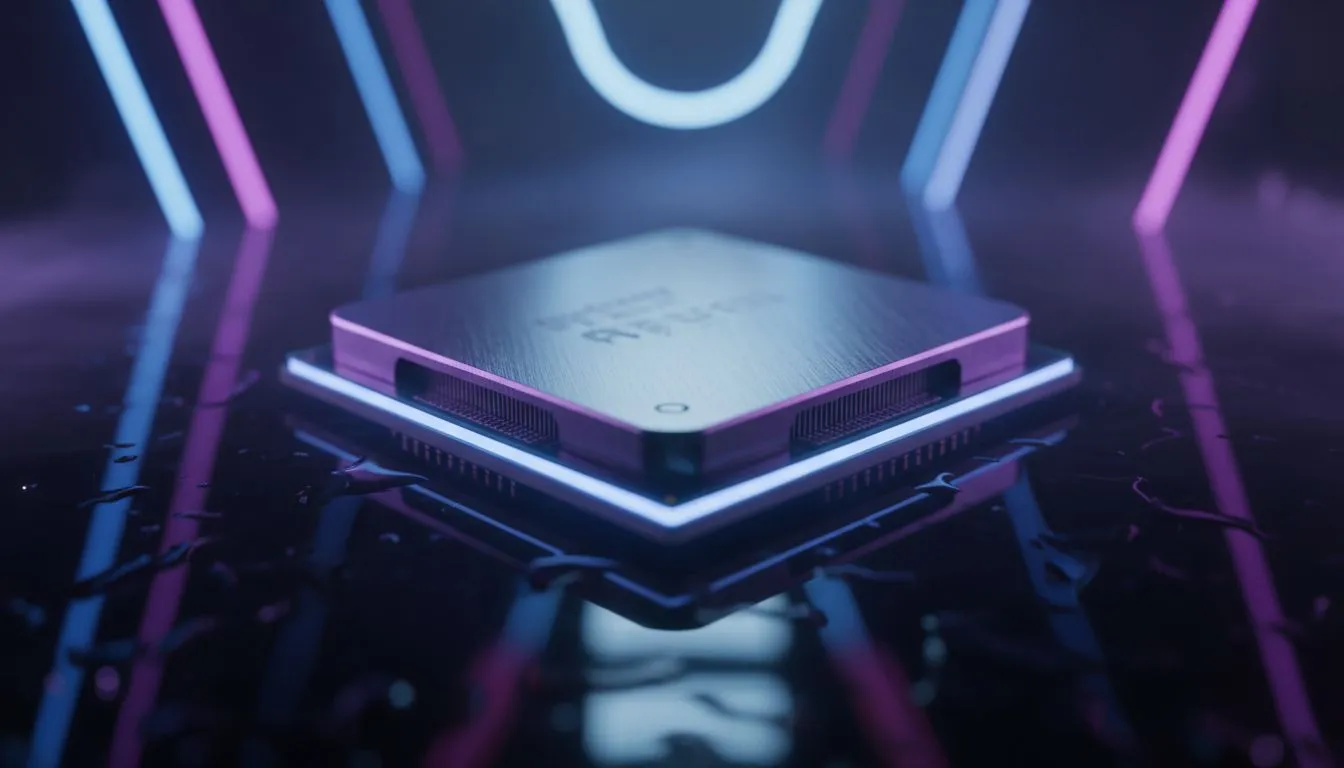
Valorant is built on a heavily modified version of Unreal Engine. Unlike cinematic titles that tax your graphics card, tactical shooters prioritise low latency and high throughput for game logic... things like hit registration, ability physics, and player positioning. This means your processor is often the primary bottleneck. If your CPU cannot feed instructions to your GPU fast enough, your expensive graphics card sits idle while your frames drop.
If you are looking to eliminate these stutters, the first step is often a platform refresh. For pure gaming performance, many South African pros are looking at the latest Intel CPU options to take advantage of high clock speeds that drive those crucial frame timings.
How to Boost FPS in 2026
Optimising your system doesn't always require a brand-new build, but it does require a focused approach to hardware synergy. In the current meta, 144FPS is the bare minimum for competitive play in SA, while 240FPS or 360FPS is the gold standard for those climbing the Immortal ranks.
To achieve this, you need to ensure your memory latency is low and your cooling is sufficient to prevent thermal throttling. When you choose to buy CPU processors online, always look for chips that offer high single-core performance rather than just high core counts. Valorant cares more about how fast a few cores work than having sixteen cores running at mediocre speeds.
Performance Pro Tip ⚡
Disable "Full-screen Optimisations" in the Valorant shipping.exe properties. This legacy Windows feature can sometimes cause micro-stuttering in DirectX 11 and 12 games. By letting the game take full control of the display buffer, you often see more consistent frame delivery and reduced input lag.
Choosing the Right Hardware for 2026
The landscape has shifted recently. With the introduction of larger L3 caches, certain chips have pulled ahead in the "1% low" department. This stat is vital because it measures the deepest frame drops... the ones you feel right when a Brimstone ult hits the site.
If you are building a dedicated gaming rig, opting for a high-performance AMD CPU with 3D V-Cache technology can be a literal game-changer for Valorant. These processors specifically tackle the bottleneck by keeping more game data close to the cores, significantly reducing the time your system spends waiting for RAM. 🚀
Software Tweaks for Maximum Clarity
Before you commit to a hardware swap, ensure your software environment is lean. Close unnecessary background apps like Chrome or heavy RGB software suites. In 2026, Windows "Game Mode" has become quite efficient, so keep it toggled on. Ensure your power plan is set to "High Performance" to prevent your CPU from down-clocking during quiet moments in a round. 🔧
Ready to Dominate the Server?
Don't let a slow processor hold back your Rank. Whether you are looking for the raw speed of Intel or the massive cache of AMD, we have the hardware to keep your frames high and your latency low. Explore our latest CPU deals and upgrade your battle station today.