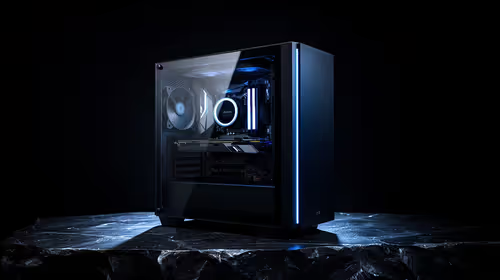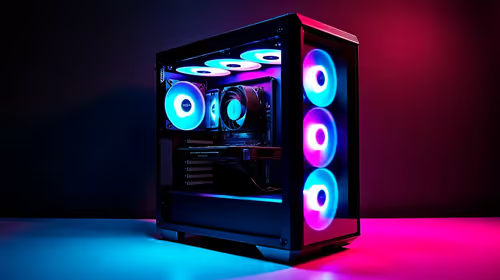
New builders often treat case fans as an afterthought, then fight high temps later. Getting the count, size and airflow direction right the first time is cheap insurance.
Quick Answer
A new build needs a simple airflow plan first: two front intakes and one rear exhaust cover most ATX cases, with extra fans only if the GPU exceeds 80C. Quality 120mm fans are stocked locally from around R250, and most cases use 120mm or 140mm sizes.
Compatibility Basics
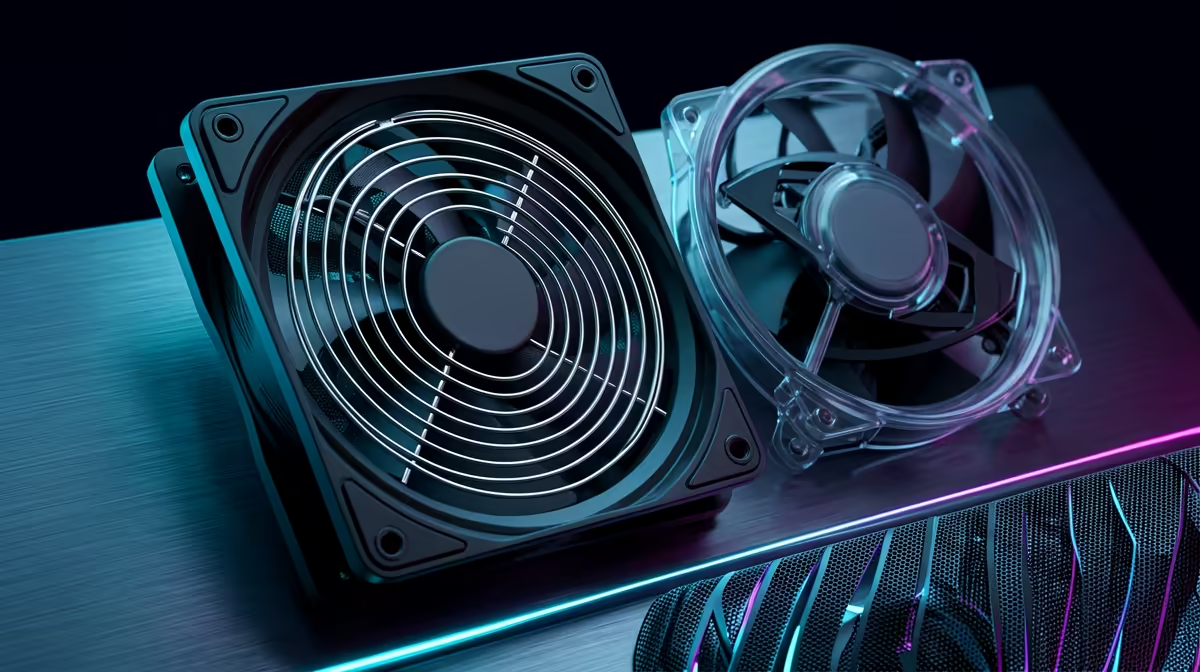
Check your case's supported fan sizes and counts before buying; most take 120mm or 140mm fans. Confirm whether your motherboard has enough fan headers or if you need a hub. PWM (4-pin) fans let the board control speed automatically, which keeps a new build quiet at idle.
Avoiding Common Mistakes
Builders often install all fans as intake or all as exhaust, creating no airflow path. Aim for slightly more intake than exhaust for positive pressure, which reduces dust. Mounting fans the wrong way around (blowing out the front) is a frequent first-build error; the arrows on the frame show airflow direction.
When to Upgrade Stock Fans
Many cases include basic fans that are fine to start. Upgrade only if they are noisy or your GPU runs above 80C under load; quality fans then lower both temps and noise.
FAQ
How many fans does a first build need?
Two front intakes and one rear exhaust suit most ATX cases. Add a top exhaust only if your GPU or CPU runs hot, above 80C, under sustained load.
What fan size should I buy?
Most cases use 120mm or 140mm fans. Check your case spec sheet first. Larger 140mm fans move more air at lower noise where the case supports them.
Should I replace the fans my case came with?
Only if they are loud or your temps are high. Many included fans are adequate to start, so spend the upgrade money elsewhere unless cooling or noise is a real problem.
front intakes and one rear exhaust for positive pressure, check the airflow arrows on each fan frame, and only add fans if your GPU passes 80C.