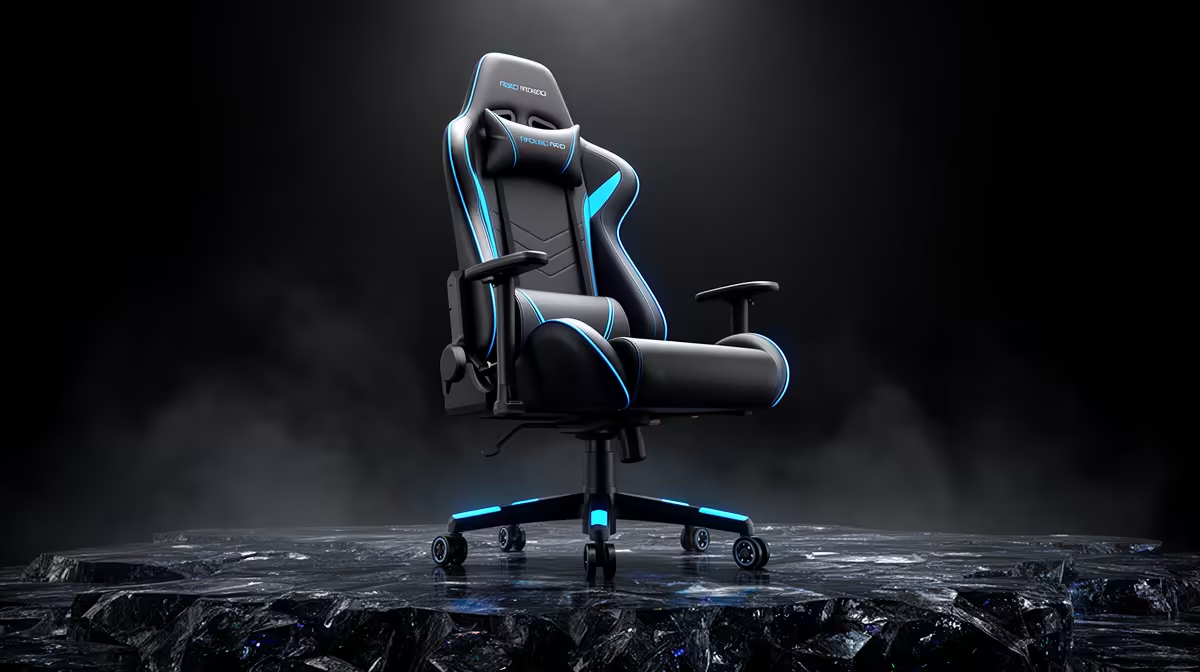
A gaming chair is worth considering for spreadsheet-heavy work only when its dimensions and adjustments fit the user through long calculation, review and data-entry sessions. Racing styling does not make a seat ergonomic, and thick padding cannot correct a desk or monitor at the wrong height.
Fit the user at the real workbook desk
Measure seated knee height, usable seat depth, desk height and floor clearance. During a trial, check supported feet, relaxed shoulders, forearm position and whether the backrest permits easy keyboard and mouse use. Remain seated long enough to expose pressure points.
The GAMDIAS ZELUS E5 gaming chair is verified at R1,540. The HBADA E3 Pro is R5,700 as a different adjustable-chair reference. Compare published seat measurements, user guidance, lumbar support, armrests, recline, castors, materials, replacement parts and warranty. Price does not prove fit.
Place the primary spreadsheet screen around comfortable eye level, keep frequently used inputs close and take short movement breaks. Recheck chair fasteners and castors periodically. Persistent pain, tingling or weakness needs professional attention rather than another seating accessory.
Buy the model that passes the measured work-session trial. A simpler office chair may offer better support when gaming-chair dimensions are too deep or wide. Review spreadsheet shortcuts and monitor placement during the same trial so seating is judged in its complete working context.
Improving a spreadsheet desk? > Compare Evetech chairs using the worker’s measurements.