Quick Answer
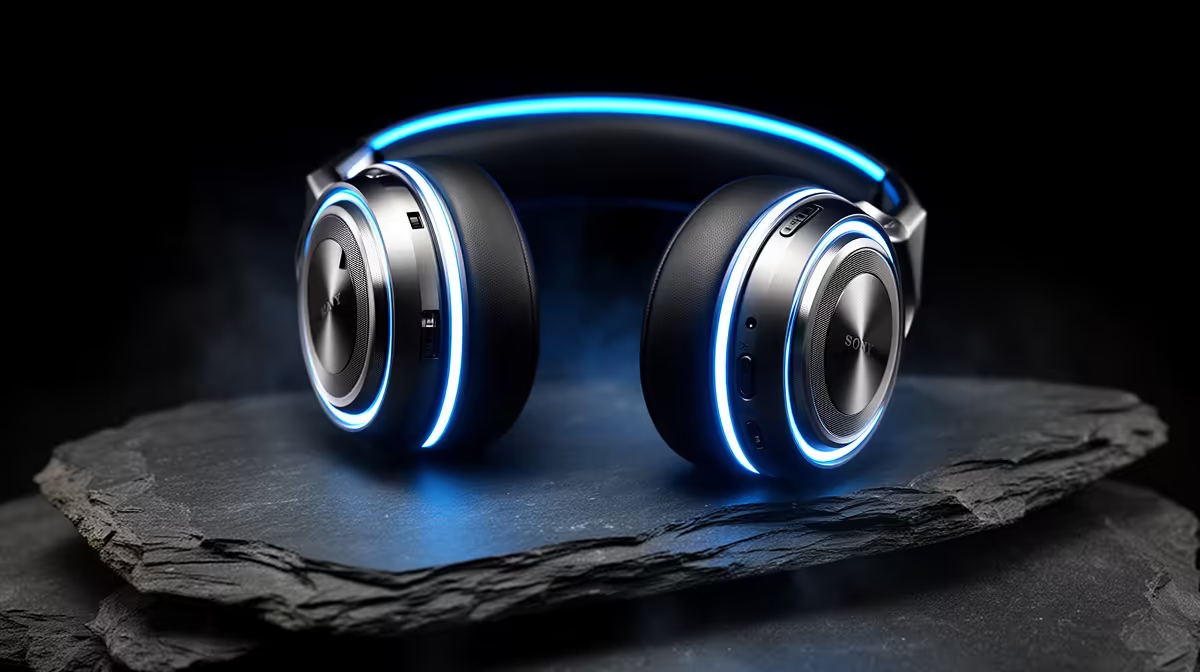
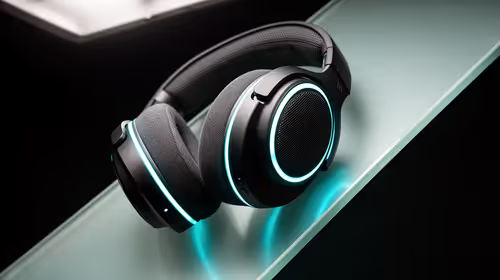
For competitive gamers, headset microphone quality is worth paying for when you call shots in team play - a clear mic on a boom keeps comms intelligible under pressure. A solid competitive headset runs R1,200 to R3,500 at Evetech. But for competitive play, prioritise low-latency wired audio and accurate positional sound first; the mic matters most once those are sorted.
Where Mic Quality Fits For Competitive Play
In competitive team games, clear comms can decide rounds - callouts about enemy positions must be understood instantly. A good detachable or flip-down boom mic with noise rejection makes that reliable, far better than a vague built-in mic. So mic quality genuinely matters when you play in a team.
But it is not the first priority. Competitive performance leans more on low-latency wired audio and accurate positional sound to hear footsteps and gunfire directionally. Sort those, then weigh the mic - a great mic on a headset with muddy positional audio still loses you fights.
What To Prioritise And Spend
Prioritise a wired connection (no wireless latency), accurate stereo or virtual surround for positional cues, and a comfortable fit for long matches. Then a clear boom mic with decent noise handling for team comms. A R1,200 to R2,500 wired competitive headset covers all of this well.
If you only play solo without comms, mic quality matters far less - put that budget into audio and comfort instead.
Spend Bands
A solid wired competitive headset runs R1,200 to R2,500 with a good boom mic and positional audio. Premium models with virtual surround and a detachable mic sit at R2,800 to R3,500.
FAQ
Does headset mic quality matter for competitive gaming?
Yes, when you play in a team - clear callouts can decide rounds. A good boom mic with noise rejection keeps comms reliable. For solo play without comms, mic quality matters far less.
What should I prioritise over the mic?
Low-latency wired audio and accurate positional sound to hear footsteps and gunfire directionally. These affect competitive performance more than the mic; sort them first, then weigh mic quality.
Should competitive gamers go wired or wireless?
Wired, for zero audio latency and no battery worries mid-match. Wireless is convenient but adds latency that competitive players generally avoid for their main headset.
play, choose a wired headset with accurate positional audio first, then a clear boom mic - great comms mean nothing if you cannot hear footsteps directionally.