Quick Answer
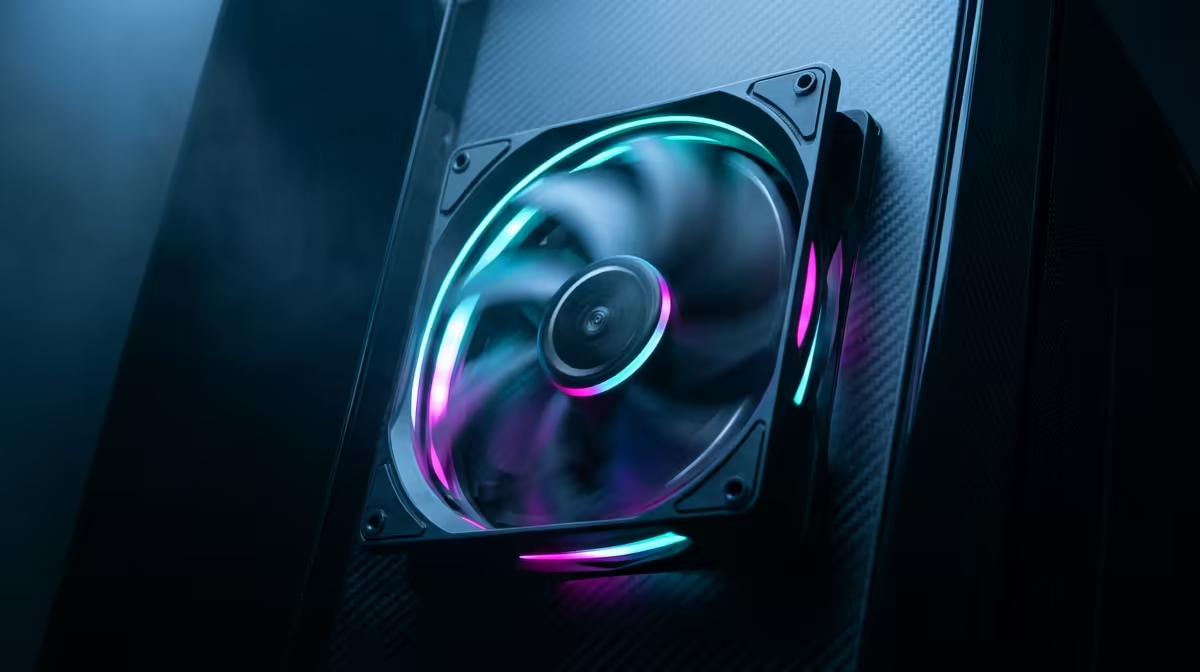
Case fans typically last 5-7 years of continuous use, and good fluid or magnetic-bearing models reach 60,000+ hours, often outliving the rest of the build. Failure shows as rising noise, rattling or a fan that stops spinning, all of which give warning before anything overheats.
What Determines Fan Lifespan
The bearing type sets the lifespan. Cheap sleeve-bearing fans wear fastest, while fluid-dynamic and magnetic-levitation bearings last far longer and run quieter as they age. Dust is the other big factor: a clogged fan works harder, runs hotter and wears its bearing sooner, which is why filtered cases last longer between issues.
Heat and constant high RPM also shorten life. A fan that spins at full speed all day in a hot, dusty room ages faster than one running a calm curve in a clean, filtered case.
Keeping Fans Healthy In SA Conditions
Dust is the main enemy in many SA homes, so clean intake filters every month or two and blow out fans periodically. Set a sensible fan curve so they are not screaming at full RPM constantly; idling lower extends bearing life and cuts noise. When a fan starts rattling or clicking, replace it early, since a fan-out at a key intake or on the CPU cooler can let temperatures climb.
FAQ
How long do case fans last?
Around 5-7 years typically, and 60,000+ hours for quality fluid or magnetic-bearing models. They often outlast other components and warn you with noise before they fail.
How do I know a fan is failing?
Listen for new rattling, clicking or grinding, and watch for a fan spinning slower or stopping. Rising temperatures with no other cause also point to a weak intake or cooler fan.
Does dust shorten fan life?
Yes. Dust clogs the bearing and blades, forcing the fan to work harder and run hotter, which wears it faster. Regular filter cleaning meaningfully extends fan life.
case's intake filters every month or two and set a gentle fan curve. Both steps keep fans quiet and add years to their bearings.