Quick Answer
Quality case fans last about 5-7 years, with fluid-dynamic and magnetic-bearing units rated past 60,000 hours; they usually fail from dust and bearing wear, not sudden death. Watch for new noise or a stalled fan as your early warning, and clean filters regularly to reach the upper end of that range.
The Lifespan Factors That Matter
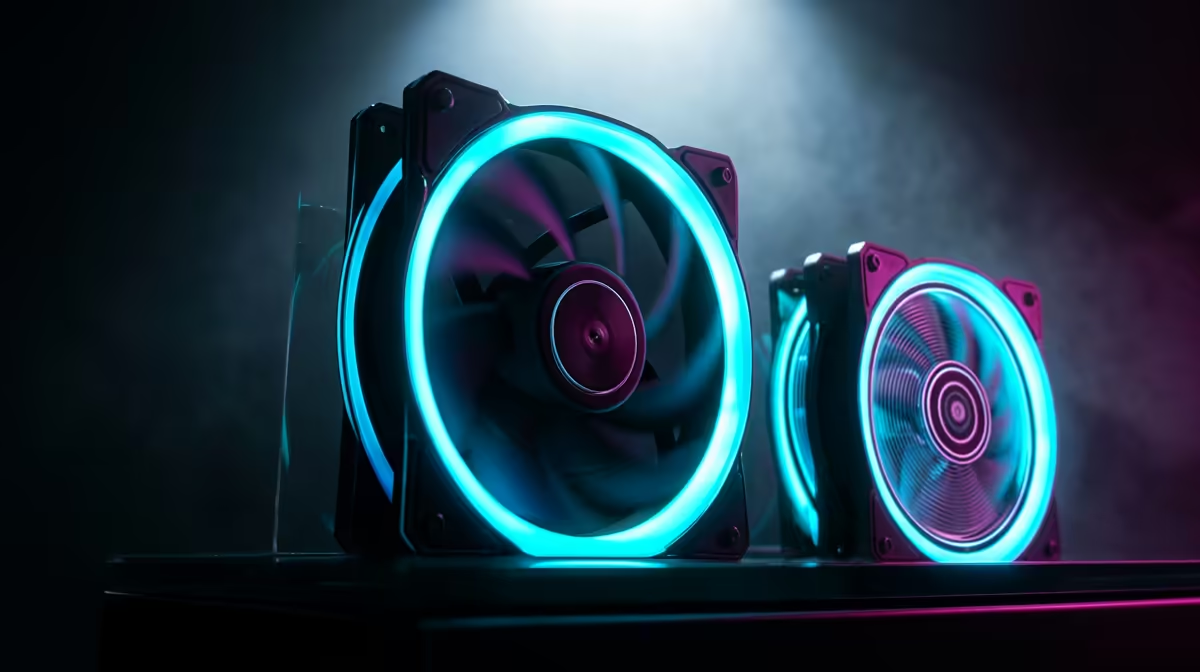
Three things govern how long a fan survives: bearing design, dust load and operating heat. Sleeve bearings are cheapest and shortest-lived; fluid-dynamic and magnetic-levitation bearings cost more but run smoother for far longer. A fan choked with dust runs hotter and louder and wears out years early, which is why a filtered case pays off over time.
Constant maximum RPM is the third factor. A fan pinned at full speed all day ages faster than one following a temperature-based curve, so tuning the curve protects both your ears and the bearing.
Maintenance For Long Fan Life
In dusty SA homes, treat filter cleaning as routine: clear intake filters every month or two and periodically blow out the fans themselves. Use a fan curve so fans idle quietly and only ramp under load. Replace any fan that develops a rattle or click promptly, because a failed CPU-cooler or front-intake fan can push temperatures up enough to throttle the system.
FAQ
Which fan bearing type lasts longest?
Fluid-dynamic and magnetic-levitation bearings, rated past 60,000 hours. Sleeve bearings are the cheapest but wear fastest, so spend a little more on bearings for longevity.
Can I repair a noisy fan or should I replace it?
Cleaning dust sometimes quiets a fan, but once the bearing is worn the noise returns. Replacement is cheap and reliable, so swap a persistently rattling fan rather than nursing it.
How often should I clean my case fans?
Clean intake filters every month or two in a typical SA home, and blow out the fans every few months. Frequent cleaning keeps temperatures and noise down and extends fan life.
If a fan is rattling or stalling, replace it from Evetech's range and set a temperature-based fan curve to protect the new one.