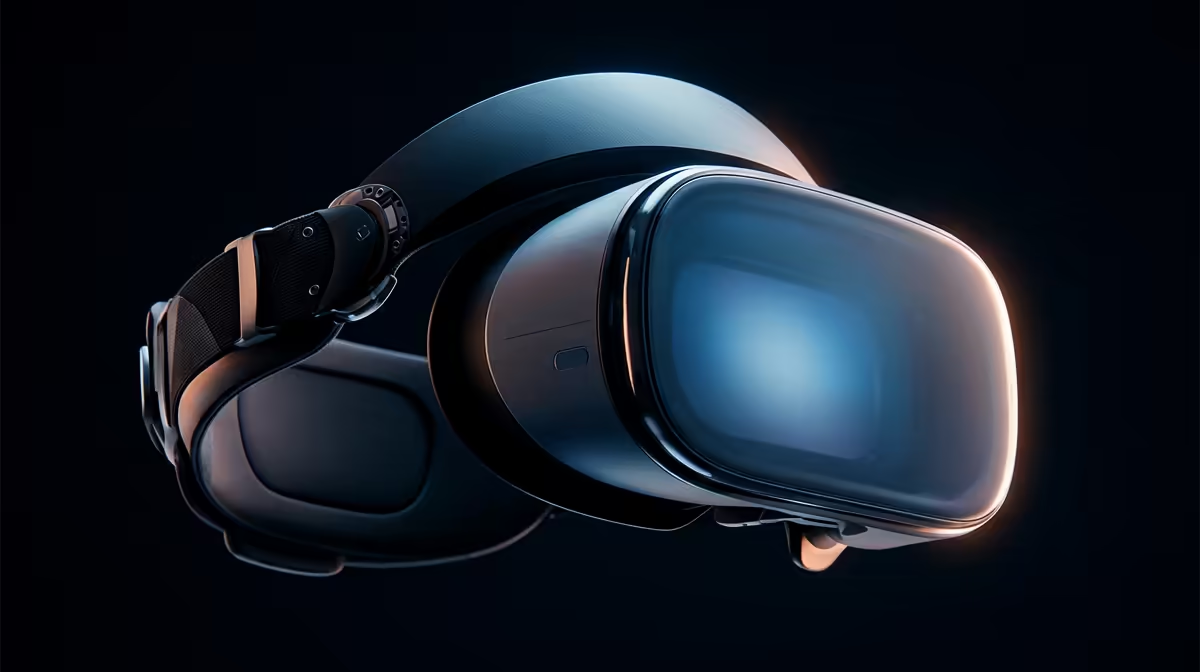
Every few years the headlines declare virtual reality finished, and 2026 has its own round of obituaries. The reality is calmer. VR is not dying, it is consolidating, and for anyone weighing up a headset right now that distinction changes the buying decision entirely.
Quick Answer
VR is not dying in 2026, it is consolidating. Meta cut Reality Labs hardware spending and shelved its Pismo Low and Pismo High projects, pushing the next Quest to 2027 or later. That means current headsets have a long, well-supported shelf life ahead, so SA buyers can purchase with confidence.
What is actually happening to the VR market
The "VR is dead" story usually leans on one fact: Meta trimmed its Reality Labs budget and delayed new hardware. But cutting spend on unreleased prototypes is not the same as abandoning the category. It is a company narrowing its focus to the products that already sell.
Meta shelved Pismo Low and Pismo High, the codenames for upcoming devices, and the timeline for the next Quest slipped to 2027 or beyond. Read that as a maturing market settling into a steadier release cycle rather than a collapse. The installed base of headsets keeps growing, and software support continues.
For buyers comparing wearables, the wider ecosystem of glasses and immersive hardware is worth a look in the AR glasses range at Evetech.
Why a delayed next Quest is good news for buyers
A slower hardware cycle works in your favour. When the next flagship is years out, the headset you buy today stays current for longer. You avoid the sting of a new model landing weeks after your purchase, and developers keep building for the hardware that is actually in people's hands.
Current-generation headsets already deliver strong standalone performance, a deep game library, and active software updates. None of that disappears because a future device slipped on the calendar. If anything, a longer gap means more polish and content for the hardware you own now.
So should SA gamers buy in 2026?
Yes, if you want one. The consolidation story means support and content will keep flowing for current headsets, and you are not buying into a dead end. Pick based on the games and apps you actually want, the comfort of the headset, and whether you prefer standalone or PC-tethered play. The market direction is not a reason to wait.
For controllers, carry cases and other extras that complete a headset purchase, the accessories best sellers at Evetech show what buyers are pairing with their headsets right now.
Frequently Asked Questions
Is Meta abandoning VR?
No. Meta cut spending on unreleased hardware and shelved the Pismo projects, but it continues to support its existing headsets and software. Reducing prototype budgets is a focus shift, not an exit.
When is the next Quest expected?
Reports point to 2027 or later after the budget cuts and shelved projects. That makes today's headsets a safe purchase, since no imminent replacement is about to make them obsolete.
Will current VR headsets still get updates?
Yes. The large existing user base means developers and platform owners keep releasing games and software updates, so a headset bought now stays supported well into the future.
Is now a bad time to buy a VR headset?
Not at all. With the next generation years away, current hardware has a long, supported life ahead, and you avoid buyer's remorse from a new model arriving right after your purchase.