Quick Answer
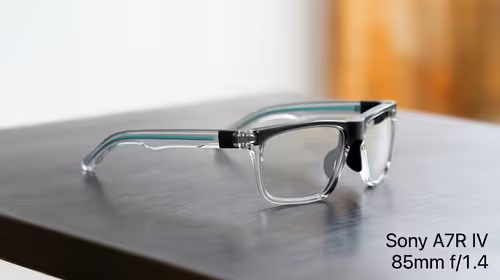
For AR glasses used to keep an eye on an expensive setup, the practical spec floor is a sharp 1080p-per-eye micro-OLED display, a comfortable sub-90g frame, and reliable wired connectivity. Models meeting that floor start around R6,500; below it, glare and eye strain undermine the point.
The Minimum Specs That Matter
AR glasses live or die on the display and comfort. Set your floor at 1080p per eye so text and dashboards stay legible, a wide enough field of view that content does not feel cramped, and brightness around 500 nits so a bright room does not wash the image out. Weight under 90g keeps them wearable for hours; heavier units cause neck and nose fatigue that ends the session early.
If you wear prescription glasses, prioritise a pair with dioptre adjustment or insert support, because comfort over a long monitoring session matters as much as the panel specs, and squinting through someone else's focus quickly defeats the point.
Connectivity And Fit Round Out The Floor
For monitoring a setup, a stable USB-C DisplayPort connection beats fiddly wireless that drops a feed. Check that the glasses support your laptop or handheld's video-capable USB-C port. Adjustable nose pads and optional prescription inserts matter for daily comfort. Spend above the floor only when a wider field of view or higher brightness genuinely improves how you watch your gear.
FAQ
What display resolution should AR glasses have?
Aim for at least 1080p per eye so text and monitoring dashboards stay sharp. Lower resolution makes small detail blurry and tiring to read.
How heavy is too heavy for all-day AR glasses?
Above roughly 90g, the frame starts to fatigue your nose and neck within an hour. Keep under that for comfortable extended wear.
Wired or wireless AR glasses for monitoring?
Wired USB-C DisplayPort is more stable for a constant feed. Wireless adds convenience but can drop the connection when you need it most.
per eye, sub-90g weight and a stable USB-C DisplayPort link as your minimum; only pay more for a wider field of view if it genuinely helps you watch your gear.