Quick Answer
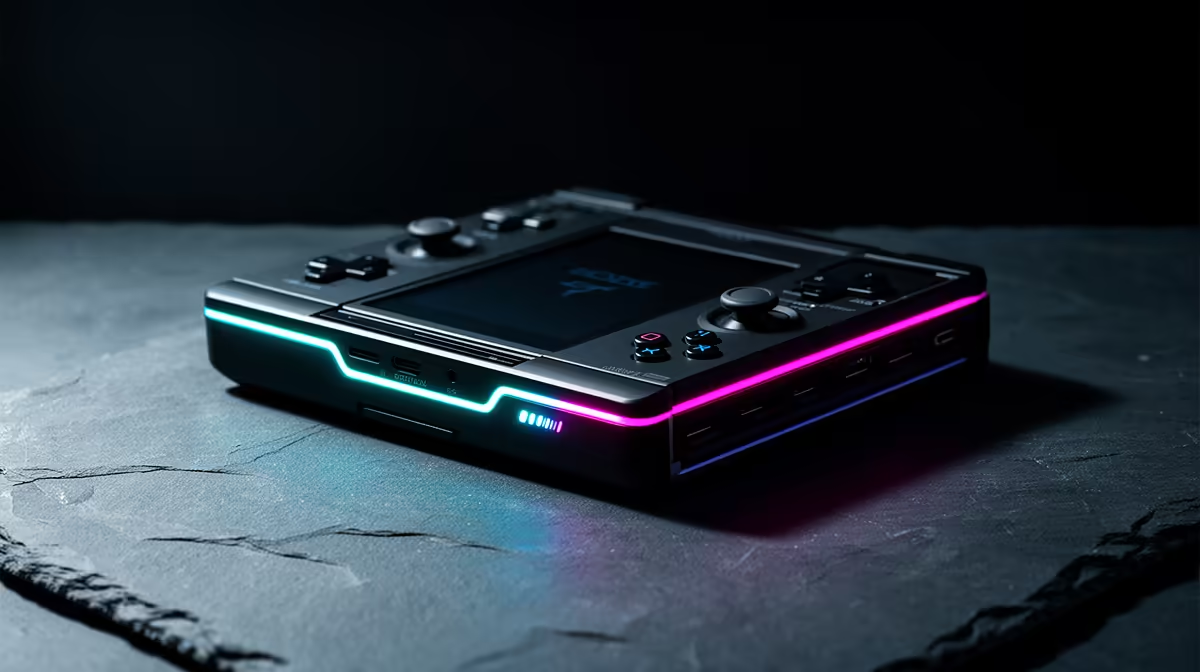
The practical spec floor for a handheld gaming PC, focused on backup and storage planning, is a 512GB SSD minimum with a microSD slot for expansion, since modern games run 50-100GB each. Aim for a model with a 7-inch 1080p screen and at least 16GB RAM near R10,000-R16,000. Plan cloud or external backup for saves, because handheld internal storage fills fast.
Why storage is the real floor
A handheld gaming PC's most practical limit is storage, not raw power. With AAA games running 50-100GB each, a 256GB handheld holds only a couple of titles plus the OS. The practical floor is a 512GB SSD, and a model with a microSD slot lets you add a fast card cheaply for a larger library. This matters more day-to-day than chasing the highest frame rates.
A capable handheld with a 7-inch 1080p screen, 16GB RAM and 512GB lands near R10,000-R16,000.
Backup planning for handhelds
Handhelds get carried, dropped and reset, so back up your saves. Enable cloud saves where the game supports them, and periodically copy your save folders to an external SSD or PC. A small portable SSD also lets you move large games off the handheld to free space, then bring them back when you want to play. This keeps a 512GB device usable without constant deletion.
Expanding storage smartly
Add a fast UHS-I or UHS-II microSD card for extra capacity, though installed SSD storage stays faster for the games you play most. Keep your most-played titles on the internal SSD and use the card for a wider library. A USB-C external SSD is the quickest way to shuttle large games and back up saves at once.
FAQ
How much storage does a handheld gaming PC need?
512GB is the practical floor, since AAA games run 50-100GB each and a 256GB unit fills after a couple of titles. A microSD slot lets you expand cheaply, while a USB-C external SSD handles backups and shuttling large games.
How do I back up handheld game saves?
Enable cloud saves where supported, and periodically copy your save folders to an external SSD or PC. Handhelds get carried and occasionally reset, so a regular backup protects progress you would otherwise lose to a wipe or failure.
Is a microSD card fast enough for handheld games?
A UHS-I or UHS-II card works well for many games, though the internal SSD stays faster for load-heavy titles. Keep your most-played games on the SSD and use the card to expand your wider library affordably.
as the floor, add a fast microSD card for your wider library, and copy save folders to an external SSD regularly so a reset never loses progress.