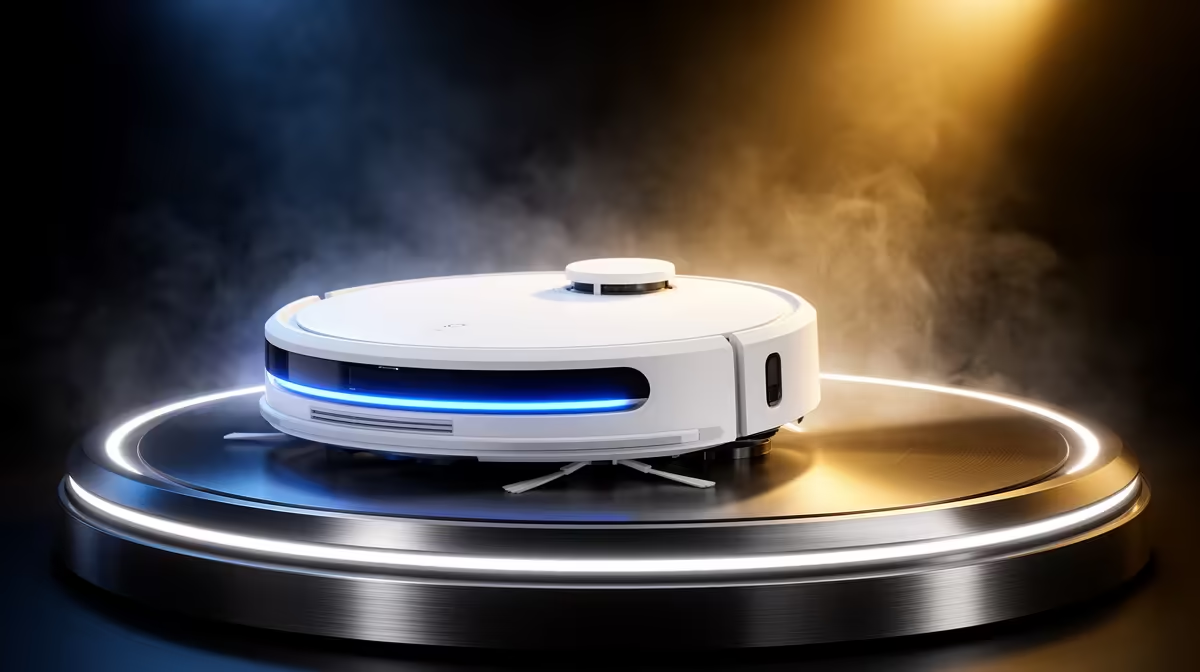
A robot vacuum that won't return to its dock is rarely broken. Far more often something simple has gone wrong between the bot and its base: a chair leg in the way, a film of dust on the charging pins, or a confused sensor reading the floor incorrectly. Work through the causes in order and most of these failures clear in a few minutes.
Quick Answer
The usual culprits are objects blocking the approach to the dock, dirty charging contacts, or cliff sensors misreading the floor and disrupting the homing signal. Clear at least 50cm in front of the dock, wipe the metal charging pins on both the bot and the base, and clean the downward-facing sensors. That fixes the large majority of docking problems.
Clear the approach to the dock
A robot vacuum lines itself up with the dock using infrared and a fairly tight final approach. If anything sits in that path, the bot circles, gives up, and parks somewhere random.
Pull the dock out so it has clear space: aim for at least 50cm of clearance directly in front and a good half metre to either side. Move chairs, shoes, cables and pet bowls out of the lane. Make sure the dock sits flush against a wall on a hard, flat surface rather than on a rug, because a base that shifts when the bot bumps it will never give a consistent docking line. The robot vacuum range and accessories at Evetech sit within the broader smart home appliance collection, where positioning guidance applies across most brands.
Wipe the charging contacts
If the bot reaches the dock but does not charge, or reports a charging error, the metal contacts are the first suspect. Over weeks these pins collect a fine layer of dust and grime that breaks the electrical connection even when the bot is physically docked.
Power the dock off, then wipe both the pins on the underside of the robot and the matching contacts on the base with a dry cloth. For stubborn buildup a cloth lightly dampened with isopropyl alcohol works well, but let everything dry fully before reconnecting power. Clean contacts restore the charge in most cases where the bot docks but will not draw power.
Check the cliff and navigation sensors
The downward-facing cliff sensors stop the bot tumbling down stairs, and the navigation sensors help it find its way home. When dust coats either set, the bot can misread the floor as an edge or lose its bearings on the final approach, breaking the homing signal.
Flip the robot over and gently wipe each sensor window with a soft, dry cloth. Dark or very glossy floors sometimes confuse cliff sensors even when clean, so if docking fails only on a particular surface, that is worth noting. A clean sensor array often restores reliable homing on its own.
When it still will not dock
If the approach is clear, the contacts are clean and the sensors are spotless, a few more checks remain. Restart the bot and the dock to clear a software glitch, since a fresh boot resolves a surprising number of odd behaviours. Confirm the dock has power at the wall and that its own indicator light is on. Check whether the bot simply ran out of charge mid-clean and stalled before reaching home, which looks like a docking fault but is really a battery one. If none of that helps and the battery is old, capacity loss may be the real cause, and the best-selling smart home accessories at Evetech include replacement parts for common models.
Frequently Asked Questions
Why does my robot vacuum stop just short of the dock?
Usually because something blocks the final approach or the bot lost its homing signal. Clear at least 50cm in front of the dock, make sure the base sits flush against a wall on a hard floor, and wipe the navigation sensors.
How do I clean robot vacuum charging contacts?
Switch off the dock, then wipe the metal pins on the bot and the matching contacts on the base with a dry cloth, or a cloth lightly dampened with isopropyl alcohol for stubborn grime. Let everything dry before restoring power.
Can dirty sensors stop my robot vacuum from docking?
Yes. Dust on the cliff or navigation sensors can make the bot misread the floor or lose its way on the approach. Flip it over and gently clean each sensor window with a soft dry cloth.
My robot vacuum docks but will not charge. What is wrong?
The contacts are the most likely cause. Clean both sets of pins, confirm the dock has power and its light is on, then reseat the bot. If it still will not charge after that, the battery may have aged and lost capacity.
Does the floor surface affect docking?
It can. Very dark or highly glossy floors sometimes confuse cliff sensors, and a dock placed on a rug can shift when the bot bumps it. Position the dock on a hard, flat surface against a wall for the most reliable homing.
Most docking problems come down to a blocked approach, dirty contacts or a confused sensor, all quick to fix. Explore the smart home appliances at Evetech for robot vacuums, spares and accessories to keep yours running.