Voice is what listeners judge first, so the mic is rarely the place to save. This guide keeps the focus on shared flats and digs where space and noise are tight and what is genuinely worth paying for at Evetech.
Quick Answer
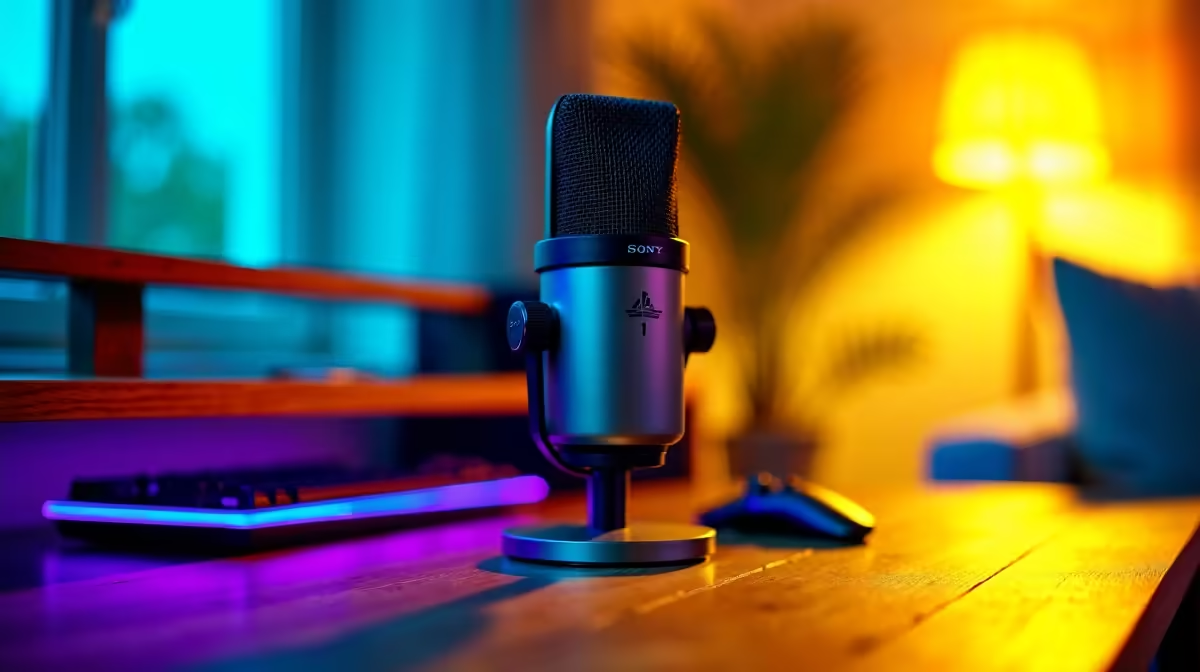
For shared flats and digs where space and noise are tight, a USB condenser or dynamic mic at R1,200 to R3,500 is the practical floor and transforms voice clarity over any headset mic. Pick a cardioid pattern to reject room noise, and add a R150 pop filter and an arm. Spend on the capsule and stand, not on RGB, and you will hear the difference on the first recording.
Why the headset mic is the thing breaking first
Headset mics pick up breathing, fan noise and room echo, fine for quick calls but weak for content. The first thing buyers regret on a cheap setup is the mic, not the camera. A R1,500 dynamic mic close to the mouth beats a R4,000 headset's boom for podcasting, lectures and CapCut voiceovers.
Mounting, monitoring and the cheap accessories that matter
A boom arm of R250 to R600 keeps the mic off the desk so it does not pick up typing thumps, and a pop filter tames plosives for R150. Use the mic's headphone jack for zero-latency monitoring so you catch clipping live. These cheap parts do more for sound than spending double on the capsule.
Where cheap mics get expensive
A R400 mic with a noisy USB controller and no monitoring forces you to re-record and buy an arm and filter anyway. The R1,200 to R2,500 tier with a solid stand and monitoring usually costs less over time than patching a bargain mic into something usable.
FAQ
Condenser or dynamic mic for my room?
For shared flats and digs where space and noise are tight, a dynamic mic suits a noisy or untreated room because it rejects background sound; a condenser suits a quiet, treated space and captures more detail. Cardioid pattern either way.
Is a USB mic enough, or do I need an interface?
A good USB mic of R1,200 to R3,500 is plenty for podcasting, streaming and lectures. An XLR mic and audio interface only pay off once you record multiple sources or want studio-grade control.
What cheap accessories make the biggest difference?
A boom arm and a pop filter. Together they cost under R750 and remove desk thumps and plosives, the two flaws that make cheap recordings sound amateur.
mic's headphone monitor jack to check levels live and keep peaks below clipping - catching a hot signal in the moment saves re-recording an entire session.