Quick Answer
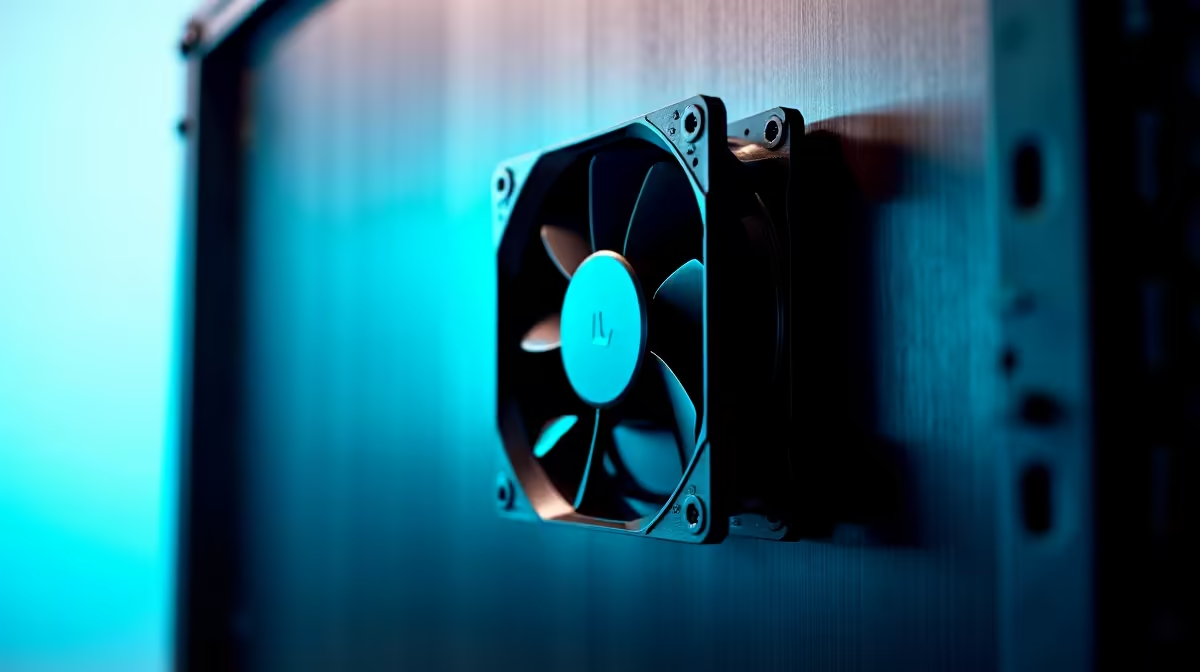
When buying case fans for Adobe Premiere Pro editing, ignore RGB and chase static-airflow balance and low noise. Two quiet 120mm intakes around 25dBA, 50-60 CFM and roughly 2W draw each (Arctic P12, around R150 each) keep an editing rig cool during long exports where flashy fans add cost, not cooling.
What to ignore on editing-rig fans
Premiere Pro hammers the CPU and GPU during exports and timeline playback, so cooling matters, but the marketing does not. Ignore: RGB lighting (it does nothing for airflow), inflated 'maximum' CFM figures measured at ear-splitting RPM, and gimmick fan shapes. What matters is real airflow at a low noise level for an editor sitting beside the machine for hours. A quiet 120mm fan moving 50-60 CFM at around 25dBA, like the Arctic P12 around R150, cools well without the whine. Two intakes and an exhaust give the front-to-back flow that keeps export temperatures in check, which is what actually speeds and protects long renders.
Noise and thermals for long edits
An editing rig runs hot for long stretches, so noise and sustained cooling lead. Look at the dBA rating: under about 30dBA keeps the room comfortable during all-day editing, where a cheap high-RPM fan at 40dBA-plus becomes fatiguing. Match the fan type to the job: airflow fans for case intake and exhaust, static-pressure fans only on a CPU radiator or dense heatsink. For Premiere's heavy export load, the priority is steady airflow that holds CPU and GPU temperatures down so they do not throttle mid-render. A PWM fan curve lets the fans stay quiet during editing and ramp up only during an export, balancing noise and cooling automatically rather than running loud all day.
FAQ
Do case fans affect Premiere Pro export speed?
Indirectly, yes. If the CPU and GPU overheat during a long export they throttle, slowing the render. Good case airflow keeps temperatures in check so the components hold their speed, while RGB and gimmick features do nothing for performance.
How quiet should editing-rig fans be?
Aim for under about 30dBA so an all-day editing session stays comfortable. Quiet 120mm fans moving 50-60 CFM cool well without the whine of cheap high-RPM fans, which become fatiguing beside the desk for hours.
Airflow or static-pressure fans for an editing PC?
Airflow fans for case intake and exhaust, since they move air through open spaces. Use static-pressure fans only on a CPU radiator or dense heatsink. Matching the fan type to its position is what cools an editing rig efficiently.
to ramp on export", body="Use a PWM fan curve that keeps fans quiet during editing and ramps them up only when an export starts. This holds CPU and GPU temperatures down during renders without the fans whining through your whole editing session."