


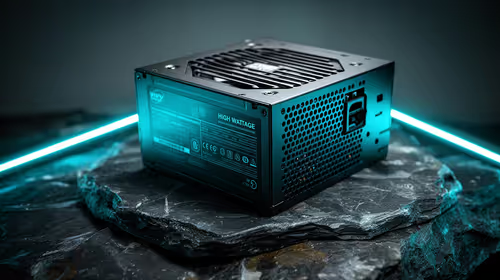
550W PSU Planning for RTX 5080 Super Builds in SA
550W for RTX 5080 Super needs a full-build check, not a simple yes. Review GPU guidance, CPU draw, transient load, connectors, PSU quality, and upgrade plans before deciding.
Read moreA 14ms monitor may suit casual gaming, depending on refresh, frame delivery and user sensitivity. The R2,499 UPERFECT pairs that response figure with 120Hz on an 18.5in FHD IPS panel.
Casual gaming still includes varied camera motion, text, controls and player sensitivity. Determining whether a 14ms portable monitor feels smooth enough means observing a familiar title while refresh, source frame delivery and input behaviour remain distinct.
The 120Hz panel is built for crisp fluid gaming, but its 14ms response may suit casual play better than titles where the lowest transition time is decisive.
A 14ms response may feel suitable for casual games when the player accepts its motion behaviour and the source delivers a stable mode. The R2,499 UPERFECT UGame NxtLED One Plus pairs that response figure with a 120Hz, 1920x1080 IPS panel, but neither number guarantees every game feels smooth.
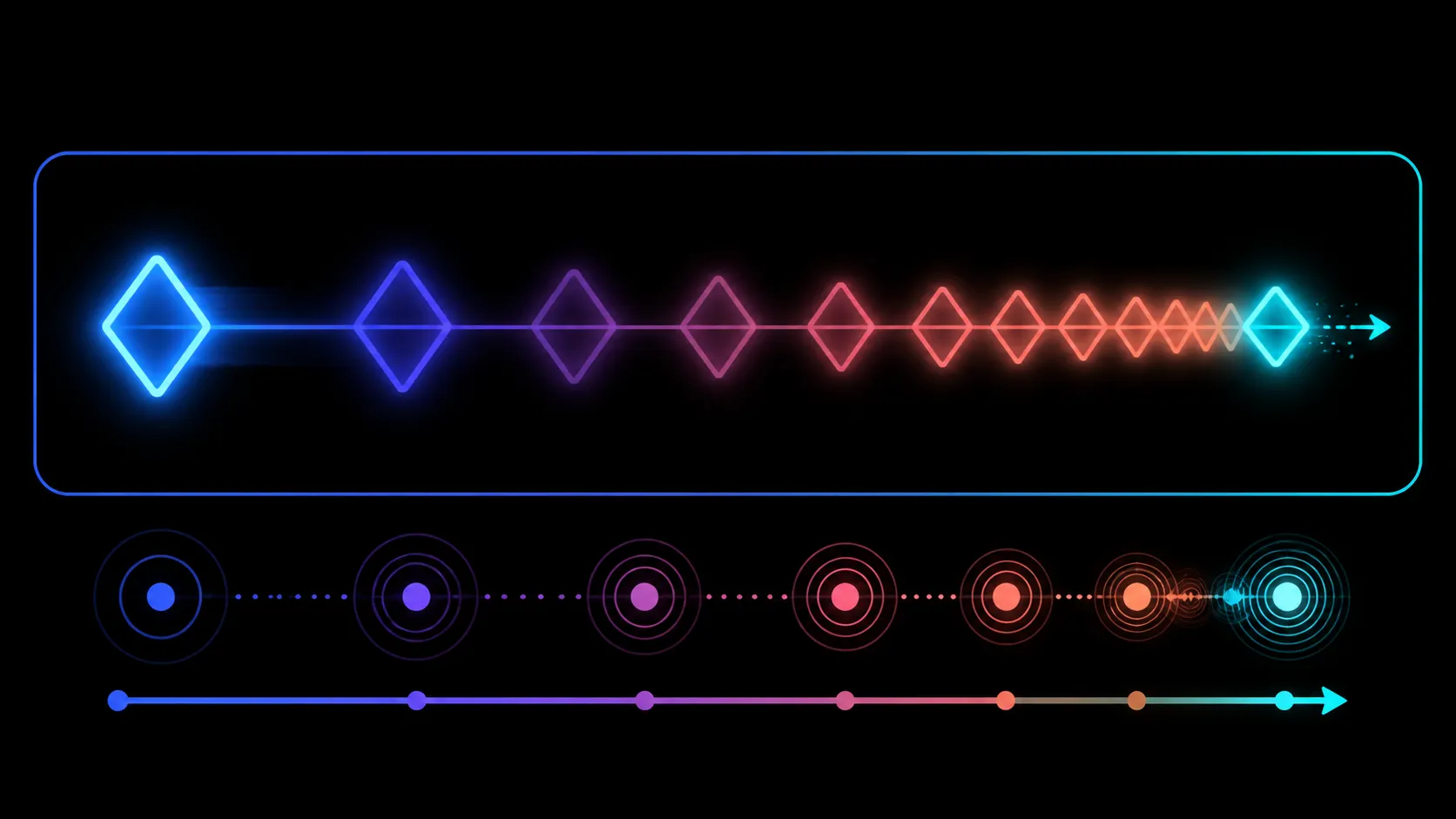
Response time describes how pixels transition between visual states under a measurement method. It is not the complete delay from pressing a control to seeing the action.
Game processing, source frame creation, connection behaviour and display handling can each add stages. Network conditions may influence online play without changing the panel's pixel response.
Use 14ms as one comparison point, then verify it with the player's own sensitivity and content. A number alone cannot reveal which transitions will be most noticeable.
Compare motion-oriented displays in the Evetech portable monitor category.
This UPERFECT screen can refresh at 120Hz when the source sends a compatible mode. Establish Full HD output first, then confirm that the operating system or game actually selects the higher rate.
Track game frame delivery separately. A 120Hz panel may repeat frames when the source produces fewer updates, so the refresh label does not guarantee a matching frame rate.
Save a stable 60Hz or other supported baseline before changing modes. This provides a comparison and a fallback if the higher setting is unavailable through the chosen route.
Choose three scenes from a game the player knows: a slow pan, faster movement and a menu or map with small text. Keep controller, source, connection and settings unchanged.
Observe trailing, clarity during movement and the relationship between control action and visible response. Write separate notes instead of summarising everything as smooth or not smooth.
Repeat after a normal session length. A first minute may feel different from extended play, and comfort includes more than motion.
Reflection management comes from a low-glare paper-like surface and Omni Visible treatment. Test with the room's ordinary lamp or window present so glare does not masquerade as motion softness.
Its 18.5-inch IPS panel specifies 178-degree viewing. Sit at the real play distance and angle; an extreme side view is not the right basis for judging the primary player's motion.
Choose a necessary cable or support item through the Evetech monitor accessories section after its function is confirmed. The R2,499 decision passes when familiar casual games feel acceptable and the entire source route reconnects reliably.
Ask the player to describe the concern before showing numerical specifications. Words such as trailing, delayed control or uneven frame delivery point to different stages and tests. Revealing 14ms first can anchor the judgement to a number instead of the behaviour the person actually notices.
Repeat the description after the controlled trial and compare the wording. If the concern changes when refresh or source frame delivery is corrected, the original symptom likely involved more than pixel response. Keep that distinction with the saved game settings.
Retain the original observation for future game updates.
One hundred and twenty hertz describes update frequency, whereas 14ms is a pixel-response measure. NxtLED targets cleaner motion by suppressing trailing, blur and ghost images, giving the complete monitor a motion-focused purpose. Test the intended game and source frame rate rather than treating either number as a complete latency result.
Casual suitability should be judged with the controller, game genre and connection intended for travel. A strategy title and a rapid competitive shooter place different demands on 14ms transitions.
Competitive latency still needs an end-to-end measurement.
Genre determines how strongly the difference is felt.
Measure the complete path.
It excludes controller input, game processing, frame creation, connection stages and the player's personal threshold.
The panel may update more often than the source creates new game frames during a particular scene.
Use familiar slow and fast movement plus a text-heavy menu, preserving source and control settings throughout.
No. Game pace, sensitivity and preferred control response differ, making a direct personal test more useful.
Ready to decide smoothness with the games you already understand? Separate response from refresh, then compare portable gaming displays and exact setup accessories at Evetech.
It excludes controller input, game processing, frame creation, connection stages and the player's personal threshold.
The panel may update more often than the source creates new game frames during a particular scene.
Use familiar slow and fast movement plus a text-heavy menu, preserving source and control settings throughout.
No. Game pace, sensitivity and preferred control response differ, making a direct personal test more useful.
550W for RTX 5080 Super needs a full-build check, not a simple yes. Review GPU guidance, CPU draw, transient load, connectors, PSU quality, and upgrade plans before deciding.
Read more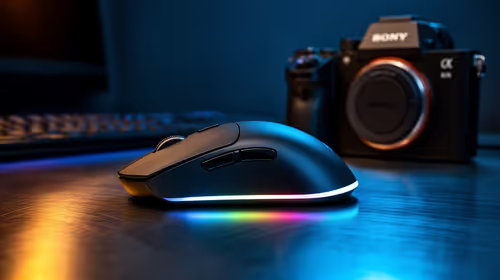
8000Hz polling is overrated for most SA gamers because gains can be tiny next to battery drain and monitor limits. Mbombela players should weigh mouse feel, game support, and system stability before chasing the number.
Read more
Magnetic switches are taking over SA gaming keyboards because actuation can be tuned. For Sandton gamers, rapid trigger, reset control, and profile depth can help, but layout, key feel, and software quality still matter.
Read more
Polokwane oled monitor value questions need cautious SA context because pricing can move with availability, exchange rates, specs, and warranty support. Treat the trend as a planning signal, not a fixed price promise.
Read more
Arc B580 budget builds for Midrand gamers can shift with exchange rates, supply, specs, and model tier. Treat the title as a buying prompt, then compare SA warranty, timing, and build priorities.
Read more
ROG Ally X may beat the LCD Steam Deck for SA gamers who value stronger handheld performance, more memory, and Windows flexibility. Compare battery life, controls, game libraries, and Polokwane support needs before deciding.
Read more
Minisforum's M2 Pro pairs Core Ultra X7, Arc B390 graphics and 32GB onboard memory in 1.8 litres. SA buyers should weigh its fixed memory and $1,439 launch offer against local mini PCs.

Lenovo says Legion Go failures linked to BIOS N3CN42WW are not user error. Affected SA owners should stop retrying the update, preserve proof and open a support case.

Smart monitors can add apps and convenience, but they also add privacy settings and unwanted-software risk. SA buyers should audit the operating system before paying for extras.

A fake 113GB GTA VI ISO reportedly used empty padding around a small malware payload. SA gamers should delete unofficial builds, keep Windows security active and wait for official channels.
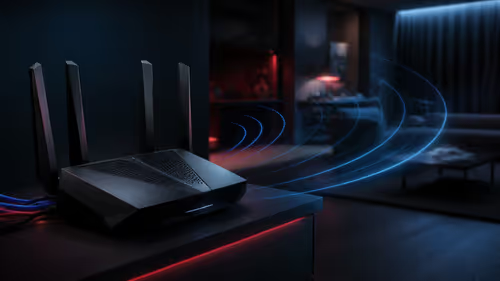
ASUS calls the ROG GT-BN98 the first Wi-Fi 8 gaming router. SA buyers should fix coverage and client limits before paying for a future wireless standard.
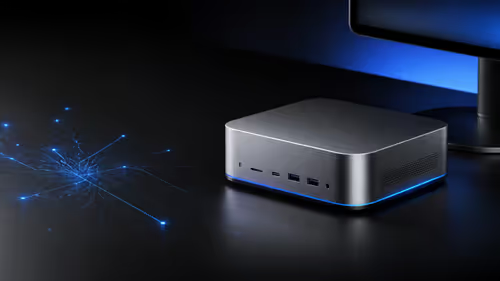
Apple's M6 Mac mini adds faster AI, graphics and networking in the same compact format. SA buyers should wait for a rand listing before comparing value.
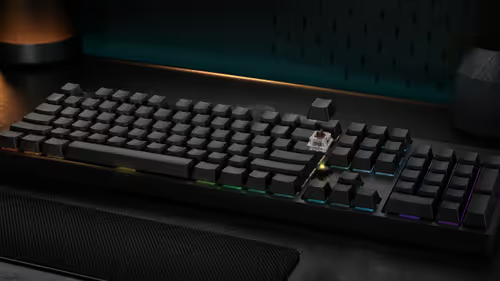
The Vulcan II XP adds hot-swappable switches, sound damping and gaming controls to a full-size wired board. SA buyers should compare feel before features.

Microsoft says Windows on Arm now has over 7,000 verified apps and games. SA buyers should still check each driver, game and work tool before switching.

Xbox Insiders can test disc-to-digital from 31 August 2026. Supported Xbox One and Series X discs gain a digital entitlement, but older discs, regions and title coverage still need exact checks.
ViewSonic's XG2738 pairs QHD QD-OLED with 240Hz and automatic panel care. SA buyers should compare warranty, brightness, ports and burn-in protection against today's R9,999-plus OLED shelf.

NVIDIA's final Windows 10 Game Ready driver is due in October 2026. SA gamers can keep using their GPU, but new game optimisations move on while critical security fixes continue quarterly.

JBL's new Quantum 520, 520X and 120 headsets cover wireless, Xbox-certified and wired use. SA buyers should compare connection, comfort and microphone needs before paying for a new badge.