

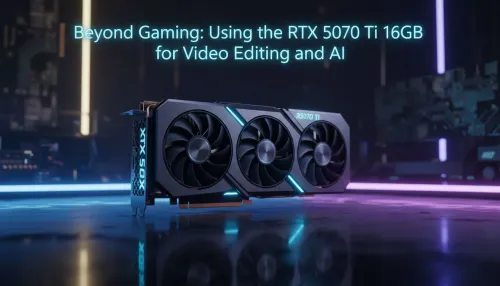
RTX 5070 Ti 16GB for Video Editing and AI Workflows
RTX 5070 Ti 16GB for video editing powers faster renders and AI-assisted workflows, speed up Premiere and Resolve exports, and optimize inference. 🎬🤖
Read moreConsidering AI CPU overclocking in South Africa? This guide breaks down the real-world performance gains versus the risks like higher power costs and potential hardware damage. We explore if it's truly worth it for your AI workloads, especially with SA's unique challenges. ⚡️ Get the full scoop!
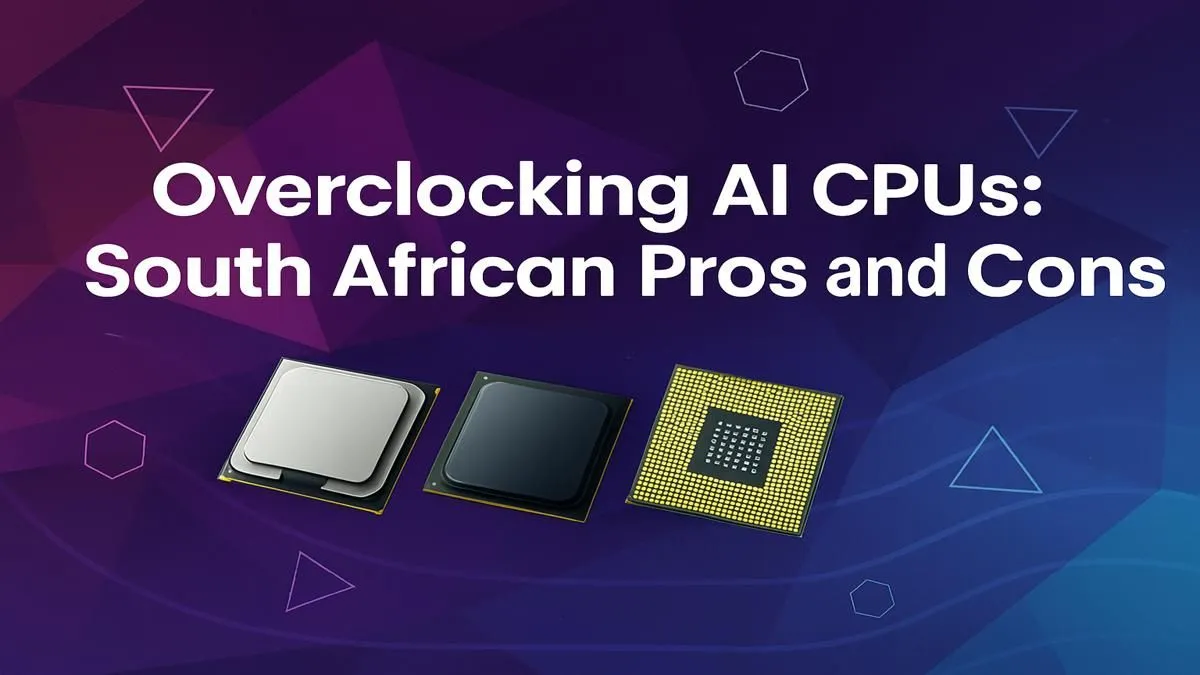
Tired of manually tweaking voltages and clock speeds for that extra bit of performance? What if your PC could do it for you, safely and intelligently? Enter AI CPU overclocking in South Africa, a modern approach that promises more power with less fuss. But with our notoriously unstable power grid, is handing over control to an algorithm a smart move or a recipe for disaster? Let's unpack the pros, cons, and whether it's right for your rig.
At its core, AI CPU overclocking is an automated performance-tuning feature built into the software and firmware of modern motherboards and processors. Instead of you manually adjusting frequencies and voltages in the BIOS… a process that can be time-consuming and risky… the system uses sophisticated algorithms to do it for you.
Brands like ASUS, Gigabyte, and MSI have their own versions, but the technology often works hand-in-hand with features from the chipmakers themselves. Think of AMD's Precision Boost Overdrive (PBO) or Intel's AI Assist. These systems analyse your specific CPU's capabilities, your cooling solution's effectiveness, and your motherboard's power delivery to find a stable and optimised performance boost. It's less of a "one-size-fits-all" setting and more of a custom tune for your unique hardware. 🚀
The biggest advantage of AI CPU overclocking is accessibility. It takes the guesswork out of a complex process, making performance gains available to everyone, not just seasoned enthusiasts.
Many of the latest Intel Core processors with a 'K' suffix are prime candidates for this kind of smart tuning, offering significant headroom for performance enhancement.
Before enabling any form of overclocking, AI or manual, ensure your CPU cooler is up to the task. An underpowered cooler will cause the CPU to thermal throttle, negating any performance gains. A good air cooler or an All-in-One (AIO) liquid cooler is highly recommended for unlocking your chip's full potential.
While it sounds perfect, AI overclocking isn't without its drawbacks, and some are particularly relevant for us here in South Africa.
The main issue is the lack of granular control. The AI makes the decisions, and they are often conservative to ensure stability above all else. A skilled manual overclocker can often squeeze out a few extra percentage points of performance by fine-tuning settings themselves.
More importantly, these systems assume a stable power supply. During load shedding switch-overs or general grid instability, the sudden voltage fluctuations can challenge even a stock-standard PC. An overclocked system, even one tuned by AI, is more sensitive to these power issues. This could lead to system instability, crashes, or, in a worst-case scenario, potential data corruption. It's a risk that needs to be considered. This applies to all high-performance chips, including the very popular modern AMD Ryzen CPUs that benefit greatly from features like PBO. ✨
So, should you use it? For the vast majority of PC builders and gamers in South Africa, the answer is a cautious yes.
AI CPU overclocking is worth it if:
However, if you're an experienced enthusiast who enjoys the process of manual tuning or you live in an area with extremely unreliable power, you might prefer to stick with manual overclocking or even run your CPU at its stock settings for peace of mind.
Ultimately, AI CPU overclocking in South Africa is a fantastic tool that democratises performance. It's a smart, safe starting point for getting more out of your hardware. The key is understanding its limitations and ensuring the rest of your system, from cooling to power, is ready for the ride. Making an informed decision when choosing the right CPU is the first and most critical step in building a powerful and reliable machine.
Ready to Unleash Your PC's True Potential? Whether you're letting AI take the wheel or tuning it manually, the right CPU is your starting line. Explore our massive range of CPUs and find the perfect processor to power up your rig today.
Yes, for certain AI workloads. Overclocking can significantly reduce processing times for training models, but the gains must outweigh the risks and increased power draw.
Key risks include increased power consumption (high electricity costs), system instability during loadshedding, and potential hardware damage from overheating.
In most cases, yes. Manufacturers typically consider overclocking to be operating the CPU outside of its specified limits, which voids the manufacturer's warranty.
Performance gains can range from 5% to over 15%. The actual boost depends on the specific CPU, your cooling solution, and the nature of the AI workload.
A high-performance cooling solution is essential. This means a premium air cooler or, more ideally, an All-in-One (AIO) liquid cooler to manage the extra heat effectively.
Sudden power cuts are dangerous for any PC, but an overclocked system running at higher voltages is even more vulnerable to data corruption or component damage.
RTX 5070 Ti 16GB for video editing powers faster renders and AI-assisted workflows, speed up Premiere and Resolve exports, and optimize inference. 🎬🤖
Read more
- Assess longevity - Embrace scalable AI - Plan upgrade paths AI upscaling for gaming boosts visuals and FPS while extending GPU life, helping you future-proof your rig with smart upgrades ⚡🎮
Read more
RTX 5060 Ti for AI workflows delivers cost-effective tensor performance to accelerate training, inference, and data prep. Learn tuning tips, memory/driver setup, and benchmark gains to boost daily AI productivity. ⚡️💡
Read more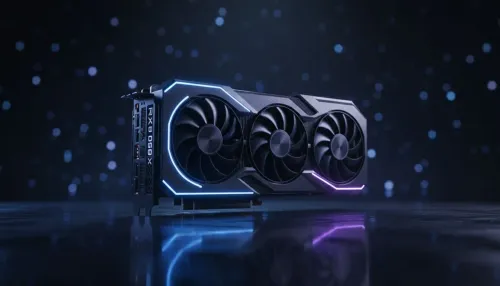
RX 9060 XT for machine learning: Explore whether the RX 9060 XT can handle local AI and ML tasks, plus practical tips, benchmarks, and configuration advice. ✅🔧
Read more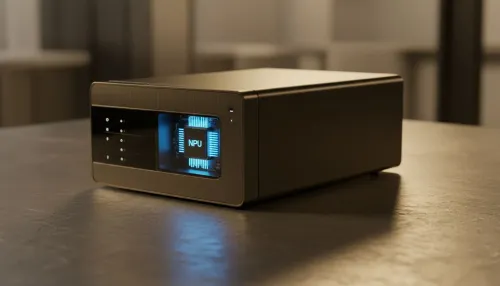
AI NAS combines storage and on-device AI by adding a neural processing unit (NPU). Learn how an AI NAS speeds inference, secures data, and boosts backups. 🤖💾
Read more
Edge computing smart home setups reduce latency, boost privacy, and enable on-device AI for future-proof automation and security. Learn hardware picks and upgrade tips. 🔒🤖
Read more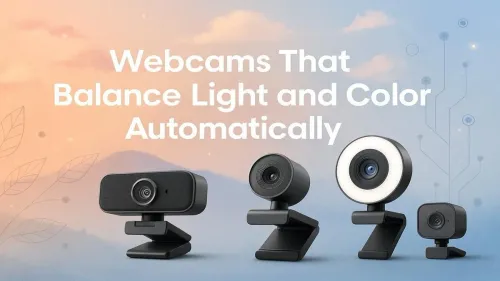
Discover webcams that automatically adjust light and color for crystal-clear video calls 🎥✨. Boost your streaming quality today!

Discover webcams that blend into your workflow 🎯 Capture moments while you work, stream, or create. Upgrade your setup with smart, multitasking tech!
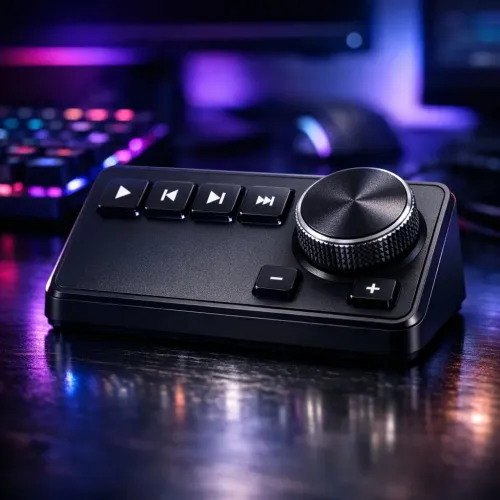
Dedicated media keys give streamers one-touch control to mute, switch scenes, clip highlights, and adjust audio — cutting task time and boosting consistency 🎛️⚡
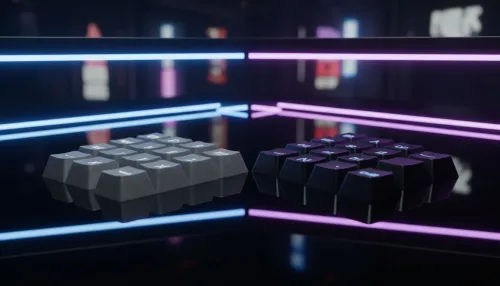
PBT vs ABS keycaps: Clear, local guide for South African gamers—compare feel, sound, durability and where to buy. Find the best material for your budget and playstyle 🎮🇿🇦

- Multi-Function Digital Dial: define benefits - Show gamer setups and macros - Offer buying and setup tips Multi-Function Digital Dial puts programmable control at your fingertips for faster actions and smoother streaming. 🎮⚙️
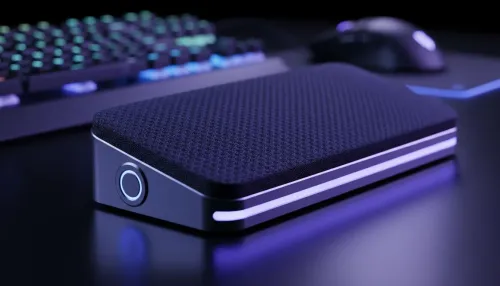
- Explain benefits; - Show the science; - Compare options; - Recommend picks. Magnetic wrist rest for gaming cuts wrist strain and boosts comfort during long sessions 🕹️✨