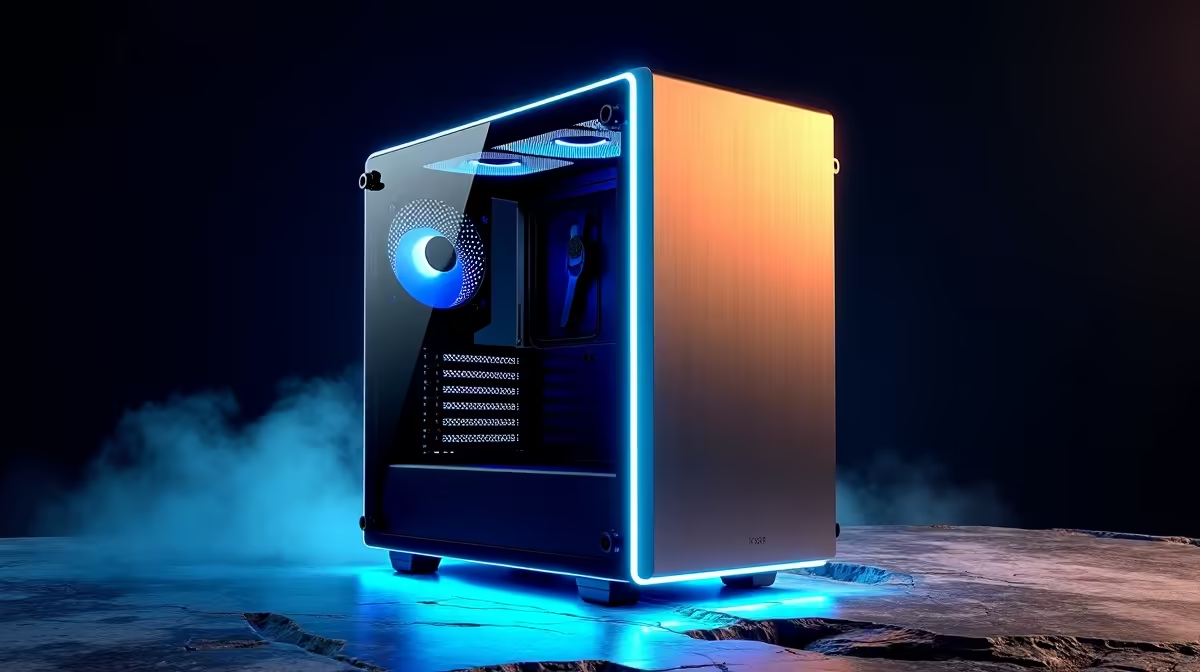
So, you’ve just unboxed your brand-new AI PC. The smell of fresh components, the promise of next-gen power… it’s a brilliant feeling. But in South Africa, a silent enemy is already plotting its attack: dust. Before you even finish installing your first app, that fine Highveld dust is looking for a home. Don't let it throttle your performance. Learning how to prevent PC dust buildup is the first, most crucial step to protecting your investment.
Why Preventing PC Dust Buildup is Crucial for AI Performance
Think of dust as a tiny, fluffy blanket for your high-performance components. While that sounds cosy, it’s a performance nightmare. Dust clogs heatsinks and suffocates fans, trapping heat and causing your CPU and GPU to overheat.
When components get too hot, they automatically slow down to protect themselves—a process called thermal throttling. For an AI PC, this is catastrophic. It means longer render times, slower model training, and stuttering frame rates in games. Effectively, you’re not getting the power you paid for. Consistent overheating can also shorten the lifespan of your hardware. A simple cleaning routine helps ensure your machine runs cool and fast for years to come. ✨
Your First Line of Defence: Smart PC Placement
Where you place your rig is half the battle won. The easiest way to stop dust buildup is to keep your PC away from where dust congregates.
Keep It Off the Floor
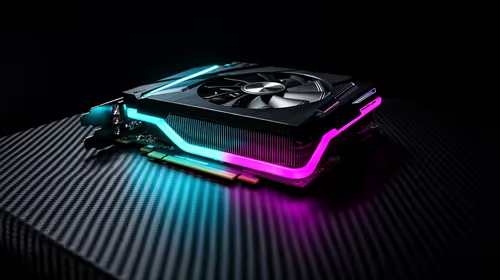
Floors are magnets for dust, pet hair, and debris. Elevating your PC onto your desk or a small stand instantly reduces its dust intake. This simple move also improves airflow around the chassis, giving your components more room to breathe. An elite machine, like a powerful NVIDIA GeForce gaming PC, deserves a prime spot where it can perform at its peak.
Consider the Room's Airflow
Avoid placing your PC in a tight, enclosed cabinet or pushed right up against a wall. Modern PC cases are designed for optimal airflow, with intake and exhaust vents that need clear space. Give your PC at least 10-15 cm of clearance on all sides, especially the back and front, to ensure it can pull in cool air and expel hot air efficiently.
Positive Pressure Pro Tip ⚡
For excellent dust prevention, aim for positive air pressure inside your case. This just means you have slightly more air being pulled in by intake fans than pushed out by exhaust fans. This creates pressure that forces air out of unfiltered gaps and cracks, actively keeping dust from seeping in. Most modern cases are designed to make this easy!
Mastering Airflow to Stop Dust In Its Tracks
Your PC's fans aren't just for cooling; they're your primary tool for dust management. The key is to control how air moves through the case. Most high-quality gaming rigs, including our top-tier AMD Radeon gaming PCs, come with removable dust filters on the main fan intakes (usually the front and bottom).
These filters are your heroes. They catch the vast majority of dust before it ever enters the chassis. Your only job is to clean them regularly. Depending on your environment, a quick wipe or rinse every month or two is usually enough to keep air flowing freely. It’s a five-minute job that makes a massive difference. 🔧
The Essential Cleaning Toolkit & Routine
Even with perfect placement and filtered fans, some fine dust will eventually get inside. A regular cleaning schedule is non-negotiable, especially for a machine running intensive AI tasks. The powerful components inside a dedicated workstation PC generate significant heat, making them especially vulnerable to dust-related throttling.
Here’s what you need for a basic clean:
- Can of compressed air: For blasting dust out of heatsinks and tight corners.
- Soft-bristled brush: To gently dislodge stubborn dust from fan blades and circuit boards.
- Microfibre cloth: For wiping down the case exterior and solid surfaces.
Your Simple Maintenance Schedule:
- Monthly: Wipe down the exterior and clean the dust filters.
- Every 3-6 Months: Power down, unplug everything, and open the case. Use compressed air in short bursts to clean the GPU, CPU cooler, and case fans.
This small amount of effort will pay huge dividends in performance and longevity. You’ve invested in a cutting-edge AI PC; a little care will ensure it delivers that "day one" performance for years to come. 🚀
Ready to Power Up Your Performance?
A clean PC is a fast PC. Whether you're training AI models or dominating the latest AAA title, keeping your machine pristine is key. Explore our massive range of custom-built PCs and find the perfect rig designed for peak performance and easy maintenance.