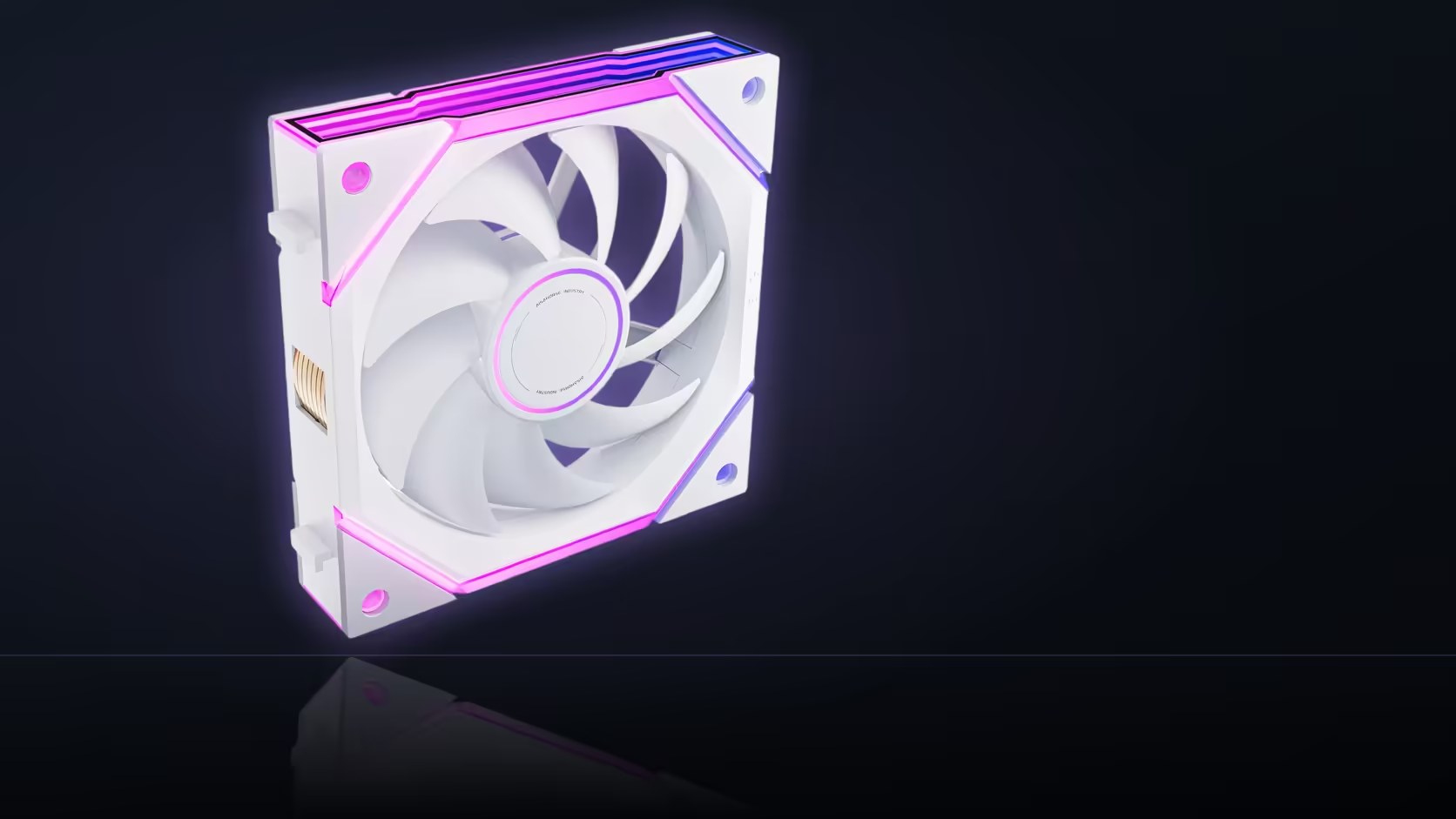
Forward and reverse Nyota Ultra fans look nearly identical once they are out of their boxes, which is exactly the moment a build plan can quietly fall apart. Writing each position's role down before any fan is mounted turns that risk into a five-minute task instead of an evening spent unmounting fans to fix a row that went in facing the wrong way.
Quick Answer
Label each fan position on a case plan as intake or exhaust, and note which blade direction that position needs, before installation begins. Forward and reverse Nyota Ultra fans are easy to confuse once unboxed, and sorting them out mid-installation usually means unmounting a fan that is already wired into a daisy chain.
📋 What the list should actually record
A useful plan names every fan position in the case, states whether that position pulls air in or pushes it out, and records which blade direction the position needs based on which face a nearby window will show. Three columns and a handful of rows is enough; this does not need to be elaborate to do its job properly.
📦 Telling forward and reverse apart before mounting
The product name states the blade direction plainly, which makes keeping the original packaging until installation the simplest way to identify each fan correctly. Once fans are unboxed and sitting together, the blade shape does differ visibly on close inspection, but reading a box label is far quicker and far less prone to a mistake than judging shape by eye across several identical-looking units.
🔗 Why correcting a mistake afterwards costs more than planning ahead
Fixing a wrongly placed fan after installation usually means unmounting it, which on a chained row also means disturbing the daisy-chain cable run linking it to its neighbours. That is a fiddlier job than the five minutes a plan takes upfront, particularly once cable management ties have already gone on and the row has been tested and confirmed working. The order of operations matters: plan, then mount, then tie down cables, in that sequence.
🛠️ Using the case itself to help build the plan
Most case manuals show the manufacturer's intended airflow directions for each fan mount, which is a solid starting point for filling in the intake and exhaust half of the list before deciding on blade direction. A photograph of the finished plan kept alongside the fan boxes during installation keeps the information in one place rather than scattered across memory and guesswork. If the plan changes partway through a build, updating the list before remounting anything is quicker than reconstructing afterwards which fan ended up where. Find both directions in the case fan range, and the case accessories selection stocks the cable ties and daisy-chain leads a labelled installation needs.
🧵 Sequencing the actual installation
Working through the plan in a set order helps too: mount and test each fan individually before moving to the next, confirming it spins and lights correctly on its own before it becomes part of a chained row. Testing after every fan is added, rather than only once the whole row is wired in, means a faulty connection or a misread position shows up immediately, while it is still a single fan to unmount rather than three. Only once every position in the plan has been confirmed working should cable ties go on and covers close.
📐 What a finished plan actually saves
The time cost of writing the plan is measured in minutes; the time cost of skipping it and discovering a mismatch after the case panel is back on and the cables are tied down is measured in an evening. Beyond the immediate installation, a written plan also becomes a reference for any future change, whether that is adding a fan, swapping a colour, or troubleshooting a position that stops responding months later.
Frequently Asked Questions
What should the installation plan actually list?
Each fan position, whether it is intake or exhaust, and which blade direction that position needs for its visible face.
How do I tell forward and reverse fans apart before mounting?
The product name states the direction clearly, so keeping the boxes until installation is the simplest way to identify each one.
Can the two directions be told apart once unboxed?
The blade shape differs on close inspection, though reading the box label is quicker and less prone to mistakes.
Why does getting the plan right first matter so much?
Because correcting a wrongly placed fan means unmounting it, often disturbing the daisy-chain cable run to its neighbouring fans in the process.
Does the case manual actually help with this?
Usually, since it shows intended airflow directions per position, a solid starting point for the intake and exhaust half of the plan.
What if the layout changes partway through the build?
Update the list before remounting anything; that is quicker than working out afterwards which fan ended up in which position.
Ready to write your fan plan before opening a single box?
Browse Evetech's case fan range and note each position's direction ahead of installation.