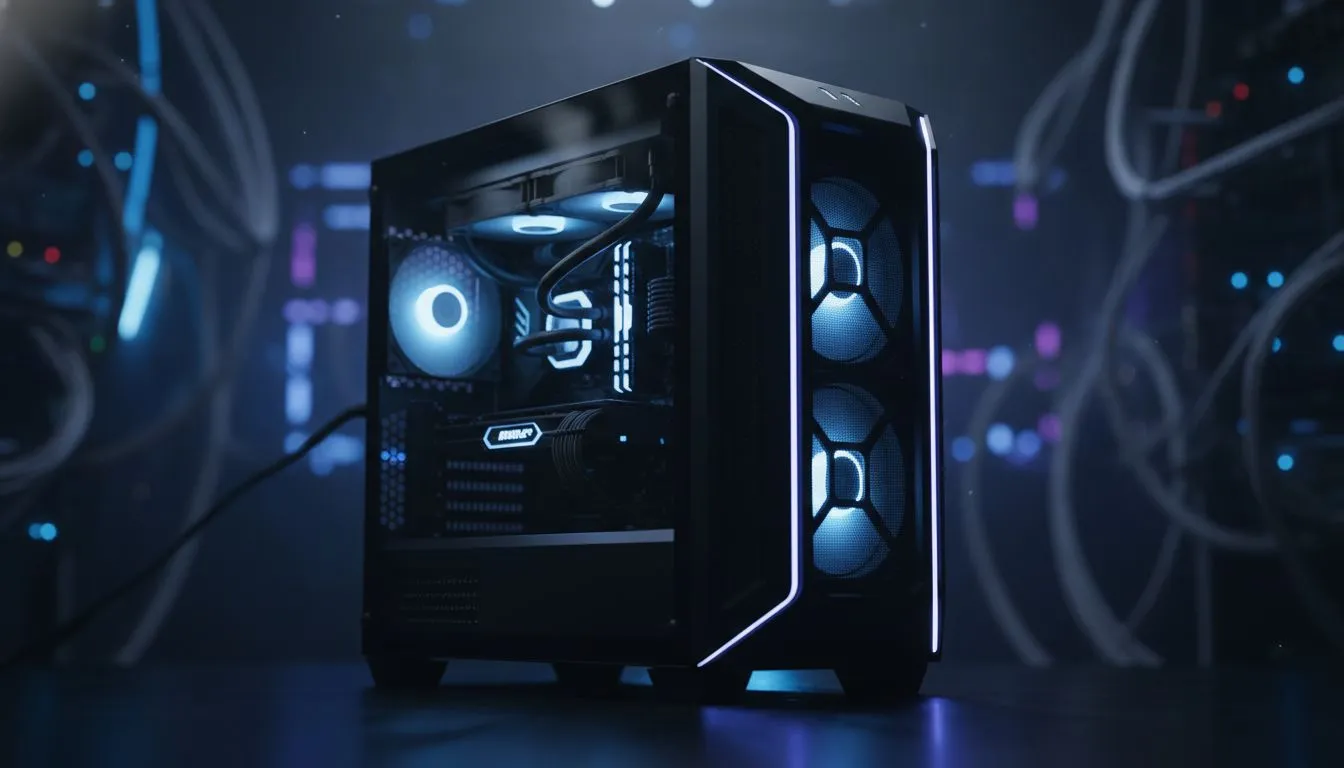
So, you’ve just bought a beastly new AIO cooler or a custom water-cooling radiator. It’s thick, it’s powerful, and it promises frosty CPU temps. You go to install it in your PC case… and it doesn’t fit. The RAM is in the way, or it’s hitting the motherboard's VRM heatsink. We’ve all been there. Finding the best PC cases for thick radiators isn't just about looks; it's about unlocking your hardware's true potential. 🌡️
Why Radiator Clearance is a Big Deal
Choosing a PC case with generous clearance for thick radiators is one of the most critical decisions in a high-performance build. A thicker radiator, like those found on top-tier AIOs, has more surface area and coolant capacity. This means it can dissipate heat more effectively, allowing your CPU to boost higher for longer, all while letting your fans spin slower and quieter. It's the key to a rig that's both powerful and peaceful.
The problem is, not all cases are created equal. A chassis might claim "360mm radiator support," but that often applies only to standard 25-27mm thick models. When you introduce a 38mm+ radiator plus 25mm fans, that total thickness can easily clash with tall RAM modules or chunky motherboard components. Planning ahead saves you a massive headache and ensures you don't have to compromise on cooling. Before you commit, it's always wise to browse a vast range of computer cases to compare specs.
Key Features in the Best PC Cases for Thick Radiators
When you're on the hunt, spec sheets are your best friend. But what numbers and features should you actually look for? It's about more than just the length (like 280mm or 420mm); depth and smart design are what truly matter.
Top vs. Front Mounting
Where you place your radiator has a huge impact.
- Top Mount: This is often the ideal spot. It exhausts hot air directly out of the case and minimises the risk of interfering with massive graphics cards. The main thing to check here is the offset—how far the mounting rails are from the motherboard tray. More offset means more clearance for RAM and VRM heatsinks.
- Front Mount: A great alternative, especially in cases with limited top space. It pulls cool, fresh air from outside across the radiator fins. The main consideration here is GPU length. A thick front-mounted radiator will reduce the maximum graphics card length the case can support.
Many modern chassis, including some premium Fractal Design PC cases, offer flexible mounting options and removable brackets to make installation a breeze. 🔧
Don't Forget the Fans! ⚡
Always calculate your total required clearance by adding the radiator thickness to the fan thickness. A 38mm radiator plus a standard 25mm fan requires 63mm of space. Some beefy fans are even thicker (30mm+), so double-check all your component dimensions before buying!
Modularity and Build-Friendly Designs
The best PC cases for thick radiators are often the most flexible. Look for features like:
- Removable Drive Cages: Being able to take out unused HDD cages at the front or bottom of the case can open up a surprising amount of room for radiators and pumps.
- Sliding Mount Points: Instead of fixed holes, elongated slots allow you to shift the radiator slightly to avoid a tricky cable or heatsink.
- Generous Width: A wider case naturally provides more space between the motherboard and the top or front panels, making life much easier.
You don't always have to break the bank to get these features. Many stylish Gamdias gaming cases incorporate smart, builder-focused designs. Even if you're building on a tight budget, you can find some great value options under R1500 that offer better clearance than older, more restrictive designs. ✨
Ready to Build a Cooler PC? Choosing the right chassis is the first step to a powerful, quiet, and frustration-free build. Don't let clearance issues bottleneck your performance. Explore our massive range of PC cases and find the perfect foundation for your ultimate rig today.