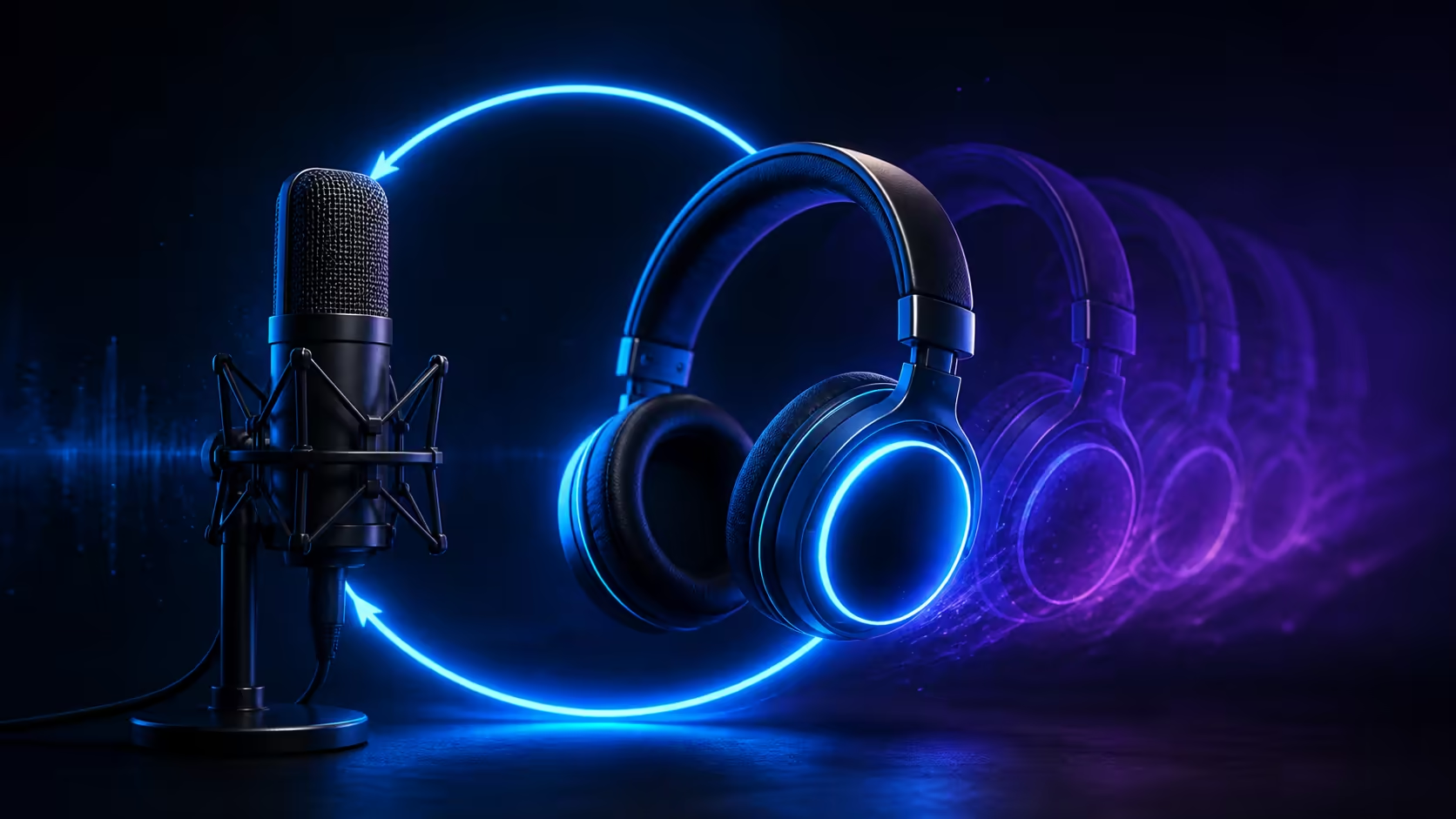
Headphone feedback is most useful when it changes what you do at the microphone. A thoughtful real-time monitoring configuration lets you hear distance, breath, room sound and vocal energy as they happen, without waiting for a recording to finish. The MARVO Blast 50 brings that facility to a R299 wired USB microphone through its 3.5mm jack.
Quick Answer
Plug headphones into the Blast 50's 3.5mm connection, keep monitoring volume comfortable, and make the microphone signal easy to hear before adding computer playback. The R299 model provides real-time monitoring so you can shape speaking distance and level during the take, while a saved recording remains the final check.
🎧 Separate live input from finished playback
Monitoring and replay answer different questions. Live feedback reveals how your present technique changes the incoming signal. Playback shows what the application actually captured after its selected device, level and processing settings have done their work.
Begin with the voice alone. Close or lower music, game sound and notifications so you can recognise the monitored microphone signal. Speak a few natural sentences, then shift slightly closer and farther away. The goal is not to find the loudest point, but the position that keeps words clear while allowing relaxed movement.
The microphone category at Evetech provides other capture choices, but the same distinction between immediate monitoring and application playback applies across recording workflows.
🎚️ Tune the listening level for control
Set headphone volume low enough for long-session comfort, yet high enough to notice a drop in voice level or a bump on the desk. Excessively loud monitoring can make you speak too softly, while a barely audible feed encourages unnecessary vocal strain.
Listen beyond simple loudness. Notice breath bursts, repeated mouth noise, chair movement and the moment your voice becomes thin as you turn away. Cardioid pickup rewards consistent direction, so the monitoring feed can train you to stay within the useful front area without freezing in place.
🗣️ Practise a controlled recording routine
Read the same short paragraph three times. On the first pass, concentrate on a steady mouth-to-microphone distance. On the second, vary your energy as you would during a game or presentation. On the third, practise pausing and using one-touch mute for a deliberate interruption.
Save the third pass in the target application and replay it. If the monitored signal sounded healthy but the file is wrong, inspect the software input and processing rather than immediately moving the microphone. If both are wrong, correct physical placement and input level first.
Comfort matters during this cycle. A suitable pair from the gaming headset range can make repeated checks easier, especially when the same headphones also serve games and calls.
🧩 Add the rest of the mix carefully
Bring computer playback back only after the voice is stable. Raise game or reference audio gradually, checking that it does not mask the monitored speech. The 3.5mm jack establishes the microphone-side monitoring path, but a particular software mix depends on the application's routing.
Keep a short reference recording made in good conditions. Before an important session, compare a fresh test with it for distance, tone and room level. This catches a moved microphone or changed setting without forcing you to reconstruct the entire setup from memory.
Treat changes in posture as part of the test. Record once while sitting upright, once while relaxing into the chair and once while glancing towards a second screen. If one movement causes a large loss of presence, reposition the microphone so normal working motion remains inside its useful cardioid area. A setup that sounds excellent only when the speaker remains perfectly still is too fragile for practical recording.
Longer sessions also reveal gradual changes that a ten-second sample misses. Monitor a five-minute conversation-length passage and notice whether your voice becomes softer as you tire. Correct the microphone angle or on-screen script position if either encourages you to drift away. This is a technique adjustment, so make it before raising the input and bringing more room sound into the recording.
Use monitoring as performance feedback
A singer, narrator or streamer can respond to immediate changes in pace and projection. The useful result is consistent technique, not constant attention to every tiny sound in the headphones.
Keep one ear on comfort as well as detail. If the feed causes vocal strain or listening fatigue, lower it and repeat the same passage rather than pushing through the session.
Recheck the balance after adding game or call audio, since competing playback can mask a monitoring level that was clear in isolation.
Frequently Asked Questions
Where do headphones connect for real-time microphone monitoring?
Connect them to the 3.5mm jack on the Blast 50. This places the listening path at the microphone rather than relying only on a later software replay.
What should I listen for during the first voice test?
Check consistency, breath impact, room noise, desk vibration and changes when you turn your head. A useful test includes calm and energetic speech.
Why can monitoring feel different from app playback?
The live feed represents immediate input, while the recorded file passes through the application's device choice, level and any processing. Playback is therefore still essential.
Should computer sound be included while setting microphone level?
Set the voice alone first. Add game, music or call playback afterwards so competing sound does not hide problems in the microphone feed.
Can monitoring improve speaking technique?
Yes. Immediate feedback teaches a consistent distance and direction, and it exposes habits such as fading away at the end of sentences.
Which Blast 50 features support recording control?
Its real-time monitoring, cardioid pickup, noise reduction and one-touch mute work together as practical controls. The wired USB microphone costs R299.
Ready to hear small technique changes before they reach the final take? Compare Evetech's microphone and headset options, then assemble a monitoring path that stays clear and comfortable through every recording pass.