



Fix Monitor stuck at 60Hz checks on DDR5 build
Monitor stuck at 60Hz on DDR5 build needs careful display-chain checks, not a single-part blame. Test the screen, cable, port, scaling, drivers, and setup context before replacing hardware.
Read moreeMalahleni podcast recording build under R20,000 needs a balanced parts plan, not a random basket. Map the CPU, GPU, RAM, SSD, cooling, and monitor target to the budget so SA builders know where to spend first.

A podcast PC has a different job to a gaming rig: it must record clean audio, edit multi-track sessions and stay silent enough that its own fans never end up on the recording. For eMalahleni podcasters R20,000 buys a quiet, capable editing machine with room to spare.
A Ryzen 5 or Core i5 with 16GB to 32GB RAM, a 1TB NVMe SSD and a near-silent cooler edits multi-track podcasts comfortably for about R16,000 to R19,000, leaving room in the R20,000 budget for a USB microphone and interface. The CPU and quiet cooling matter far more than the GPU here.
A tower air cooler running slowly keeps the CPU cool and quiet, so a sensitive mic does not pick up fan whir between sentences. A larger case with low-speed intakes moves enough air without adding noise, which beats a cramped box whose fans spin up the moment editing starts.
Reaper, Audition and Audacity lean on CPU and RAM rather than graphics. A 6-core chip handles a four-person session with noise reduction and compression across every track, and 16GB is workable while 32GB gives breathing room for longer episodes packed with effects.
The single biggest upgrade to your sound is a good microphone, not a faster processor. Set aside R2,000 to R3,000 for a USB condenser or dynamic mic and a pop filter, since listeners forgive almost anything except thin, echoey audio.
No. Integrated graphics handle audio editing perfectly, so you can skip a discrete GPU entirely and put that money toward a better microphone and interface.
Quiet enough that a sensitive mic 50cm away does not record fan noise. A slow-spinning tower cooler in a roomy case usually achieves this without any special soundproofing.
For most shows, yes. 32GB only becomes worthwhile if you run many simultaneous tracks with heavy real-time effects on long, multi-guest recordings.
Pair a quiet, CPU-focused desktop with a quality microphone for podcast audio that sounds professional. Compare near-silent desktops and USB microphones in the Evetech range to build a recording setup that captures clean takes.
Monitor stuck at 60Hz on DDR5 build needs careful display-chain checks, not a single-part blame. Test the screen, cable, port, scaling, drivers, and setup context before replacing hardware.
Read more
Recommended build for Genshin Impact at R60 000 should justify the spend with high-end parts that help beyond one title. SA buyers should prioritise GPU headroom, large SSD space, reliable power and quiet cooling for long-term use.
Read more
Atomic Heart stuttering on RX 9070 XT points to frame pacing, driver, or settings issues first. Check display mode, shader cache, overlays, background load, and thermals before replacing parts.
Read more
Cell C Fibre Polokwane packet loss can come from Wi-Fi, drivers, router settings, Ethernet, line faults, or game-server routing. Start with local checks before replacing parts or escalating support.
Read more
University of Cape Town residence: compact should be shortlisted around the job it must do. South African buyers should compare wattage, efficiency, protection, and connector support, warranty path, and upgrade room before treating any pick as best.
Read more
Setting up a running local LLMs rig in Hermanus should be shortlisted around the job it must do. South African buyers should compare fit, performance, compatibility, and upgrade room, warranty path, and upgrade room before treating any pick as best.
Read more
Windows 11 spatial sound greyed out needs an output-device check before a headset purchase. Select the intended playback device and look for Windows Sonic for Headphones. Speaker, HDMI and headphone routes can expose different spatial sound options.
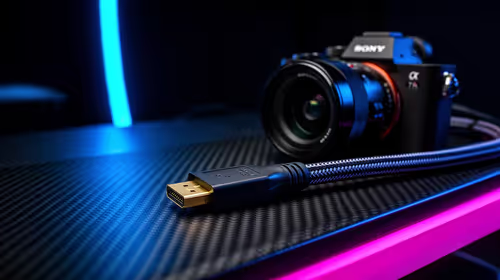
DisplayPort 2.1 vs DisplayPort 1.4 for aAA single-player gaming Difference explained is mostly about compatibility, budget, upgrade path, and setup fit. SA buyers should check device support and real needs before expecting a clear win from either.
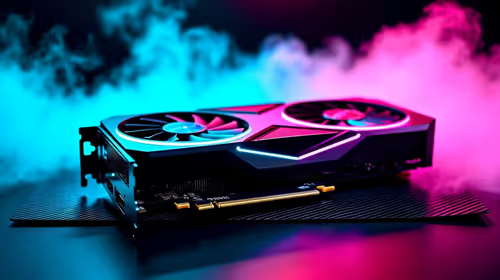
RTX 4080 too expensive? Cheaper SA alternatives should solve the exact workload without overbuying. Compare nearby options by GPU tier, VRAM, cooling, and PSU headroom, local warranty path, and total build balance before moving to a product page.
Recommended build for Hollow Knight Silksong at R100 000 SA buyer's guide frames a dream-class PC around more than one game. Balance flagship graphics, premium CPU, 32GB or more RAM, fast SSDs, quiet cooling and power quality.

Windows 11 Ethernet unidentified network needs a cable, router and PC comparison before a reset. Test a second device and run the network troubleshooter. Save adapter drivers and custom settings before using network reset as the final step.
Steam processing Vulkan shaders is graphics preparation rather than a normal game download. On Linux, compare progress and repeat launches before deleting caches. A driver or game change can alter the work, so gather evidence before paying for a new GPU.

Steam discounts and events are moving towards personalised recommendations in early 2027. A firm start date is still pending. The change concerns promotional visibility, so compare the actual rand price and game requirements before making a purchase.
Windows 11 Bluetooth toggle missing can mean the radio is not being detected or enabled. Start with a complete power-off, then check the adapter and drivers. Pairing a new mouse cannot repair an absent Bluetooth control, so isolate the PC first.
Steam game recording black screen needs a fresh capture and export test before a hardware upgrade. Check the recording mode, free space and whether another game records correctly. Community reports suggest testing broadcasting settings, but that is not a universal fix.

Windows 11 two finger scroll not working needs a gesture and driver check first. Test pointer movement and scrolling in more than one app, inspect Touchpad settings and use Windows Update or the laptop maker's driver. A new mouse is only a workaround.
MSI Stealth 16 RTX 5070 specs need an exact SKU check because current listings disagree on GPU memory. One UK listing says 12GB while MSI's family table says 8GB. Confirm the supplied configuration rather than assuming either describes every machine.

Windows 11 Insider 26220.9587 is a Beta preview released on 2 October. Microsoft lists Unicode text support, Settings performance work and a Cloud Rebuild entry point. These are preview changes, not a reason to move your only working PC onto a test build.