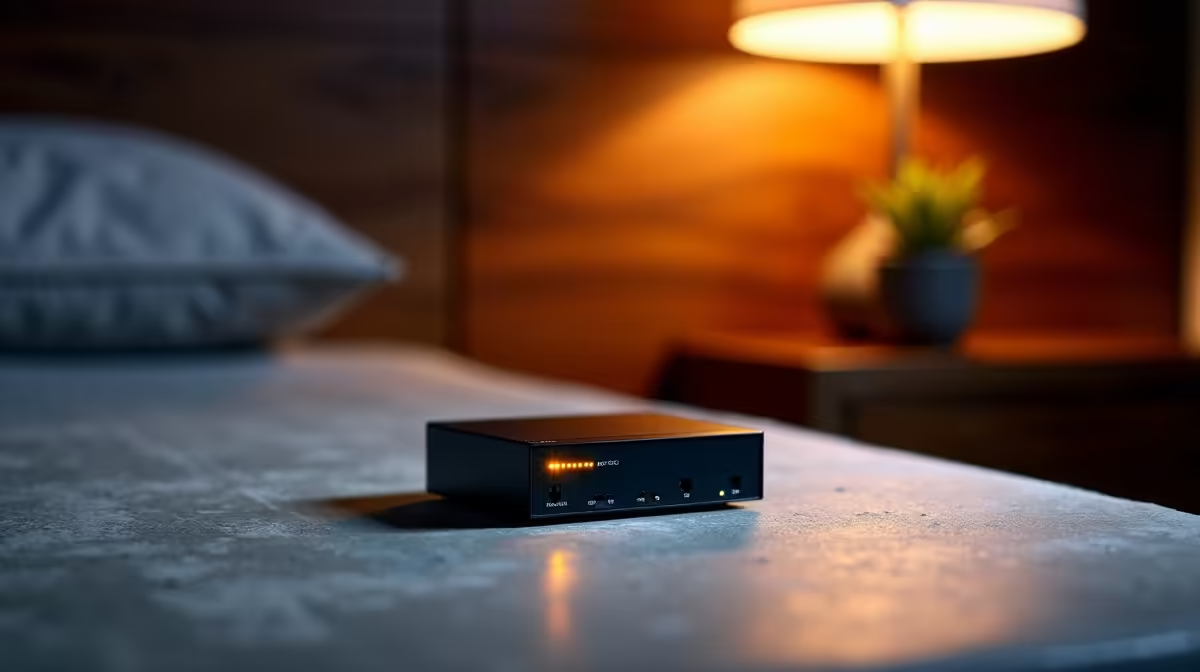
A PoE switch can work in a quiet bedroom when it powers compatible cameras or access points, but fan noise, status lights, heat and cable clutter may make the location unsuitable. It offers no benefit when no device needs Power over Ethernet.
Calculate ports, power and noise together
List every powered device, its PoE standard and maximum demand, then include uplinks and future ports. Check whether the switch uses a fan, how warm it becomes and where cables, ventilation and indicator lights would sit near the bed.
No PoE switch has confirmed pricing in the supplied facts. Compare candidates on port count, total power budget, per-port standard, uplink speed, fanless design, management, mounting, adapter noise, updates and warranty. Never assume all PoE labels deliver the voltage or power a device requires.
Keep network equipment ventilated, dry and away from bedding. Protect administration with unique credentials, disable unused management access and label every cable. Exterior cameras or complex cable routes deserve qualified installation.
Buy the smallest correctly rated fanless unit when powered devices justify it. Place switching outside the sleeping area when cooling, lights or cable density remain intrusive. Put the switch in a ventilated cupboard or adjacent room during a temporary trial, then listen at the bed with the door in its usual position.
Pro Tip ⚡
Planning quieter network power? > Browse Evetech networking after calculating the complete PoE load.