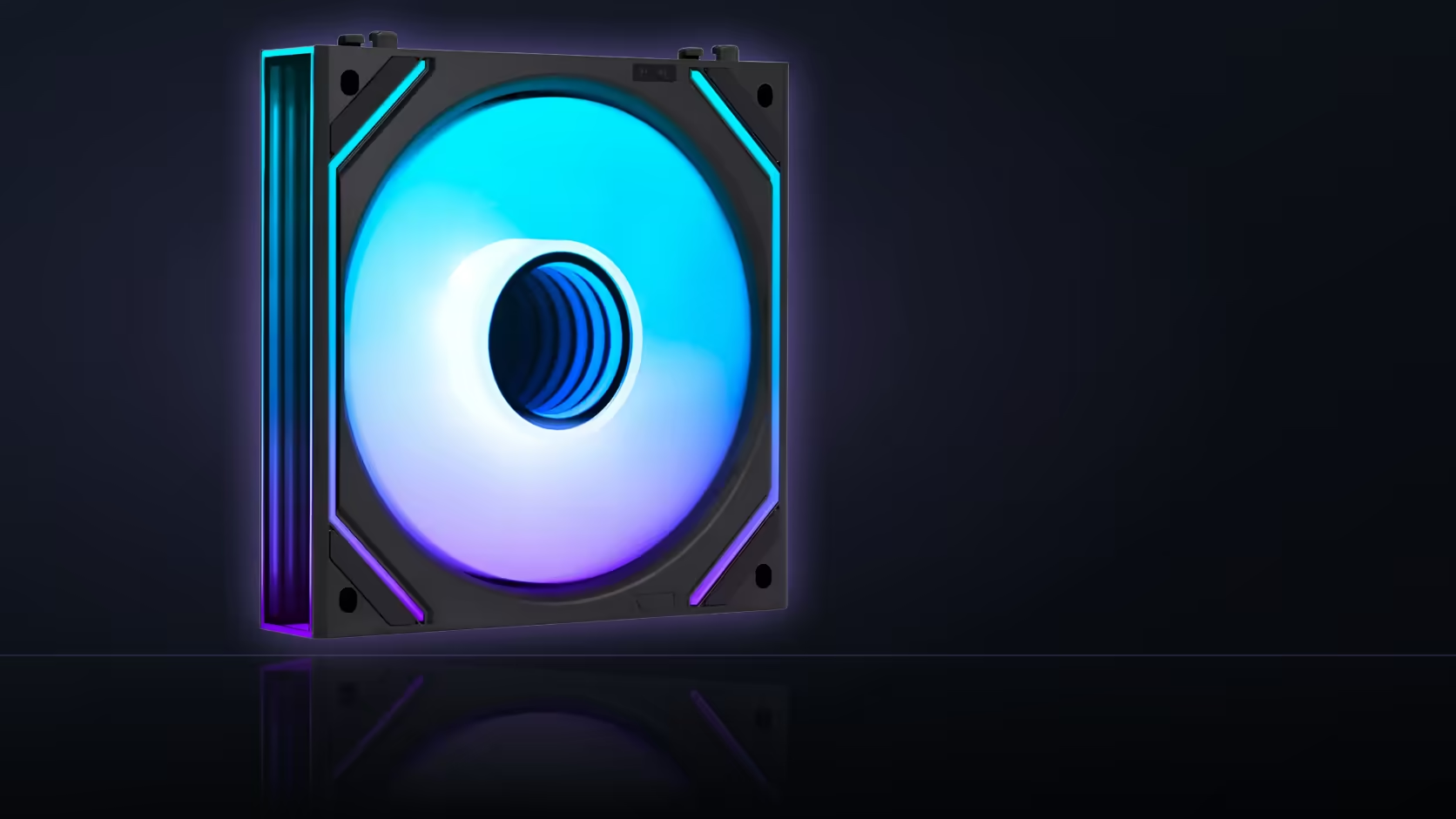
Before you can decide whether a new set of fans is actually quiet, you have to know how quiet the room was to start with. That step gets skipped constantly, because it feels like nothing has happened yet, but a baseline reading of your own space is the only thing that makes a before-and-after comparison mean anything at all.
Quick Answer
Note how quiet your room already is before deciding whether AsiaHorse's Dawn Pro low-noise claim, as low as 6dB at the quietest point in its range, will actually be audible in your setup. A quiet room reveals fan noise that a busy household hides completely. Without recording that baseline first, any comparison you make afterward is measuring changes in the room as much as changes from the fans, priced from R269 single up to R699 as a three-pack.
🎧 Why the room matters more than the spec sheet
Perceived noise is relative. A fan that would be clearly audible in a silent bedroom at 2am can vanish entirely in a living room with a television, conversation, or street noise present. The same set of Dawn Pro fans, mounted in the same case, will read completely differently depending on what else is competing for your attention at the time you listen.
The comparison problem in practice
Swap fans without a baseline and any perceived improvement is unverifiable. You might genuinely hear less noise, or the room might simply be quieter that evening for unrelated reasons. Recording a reference point first removes that ambiguity before you spend money.
📋 How to actually record a baseline
Sit at your usual working or gaming position with the machine switched off, at the time of day you would normally be using it, and note what you can hear. Traffic, appliances, other people in the house, even the building itself settling: all of that forms the floor your fan noise has to rise above before you notice it at all.
Time of day changes everything
A room that reads near-silent at midnight can carry considerably more ambient noise during the day. If your PC use spans both, take readings at both times rather than assuming one baseline covers your whole schedule.
📱 Tools that are good enough for this
A smartphone decibel app will not give you a laboratory-accurate reading, but it does not need to. What you need is a consistent way to compare two moments in the same room, and a phone held in the same spot each time does that well enough to be useful, even without an absolute figure you would trust for anything more formal.
🔁 Running the comparison properly
Once the case fans are fitted, repeat the exact same conditions: same room, same time, same position, same workload if possible. Only then does a difference in what you hear actually reflect the fans rather than the day.
Logging results so they are useful later
A short note after each session, room, time, what was audible, and any recording taken, turns a one-off impression into something you can refer back to months later. Memory of a specific evening fades fast, and a written log settles arguments with yourself about whether a change actually helped.
🧰 What else affects the baseline besides the fans
Panel material, case size, and where the machine physically sits in the room all shape how much of the fan noise actually escapes to where you are sitting. A steel-panelled case in a small room behaves very differently from a mesh-heavy case in a large open space, even running identical fans, so the baseline you record is really a baseline of the whole setup, not the fans in isolation. Mounting accessories and dampening options in case accessories can shift that baseline before a single fan is swapped.
Frequently Asked Questions
Why does the room matter so much to a noise comparison?
Because perceived fan noise is relative to everything else audible at the time, so the same fans sound different in a quiet room than a busy one.
How do I actually record a baseline?
Listen with the machine off at the times you normally use it, and note what else is audible from your usual seated or sleeping position.
Does time of day genuinely change the reading?
Considerably. A room that is near-silent at night can carry noticeably more ambient sound during the day, which changes what a fan adds on top.
Is a phone app accurate enough to bother with?
It gives a useful relative comparison between two moments in the same room, which matters more here than an absolute decibel figure would.
What should stay the same when comparing after installation?
The room, the time of day, your listening position and, where possible, the workload the machine is running.
Does the as low as 6dB figure help with this at all?
It marks the quiet end of the fan's range, reachable only at low speed, and it may sit below your room's own ambient level regardless.
Should the PC be in its usual physical position for both readings?
Yes, since distance and whether the machine sits on a desk or the floor both change how much reaches your ears.
Trying to judge a fan swap properly rather than guess at it?
Visit Evetech's case fan category to plan the build before you start recording a baseline.