Hearing your own words arrive late can disrupt pace, pronunciation and even breathing. Real-time headphone monitoring avoids that distracting software return by providing immediate microphone feedback at the device. The R299 MARVO Blast 50 includes a 3.5mm jack for this purpose, while its USB connection carries the captured voice to the computer.
Quick Answer
Plug headphones into the microphone's 3.5mm connection and monitor input there instead of listening to a delayed software return. This R299 route can make speaking feel natural again, but it will not correct delayed game, call or stream playback elsewhere in the computer.
🔄 Understand the two audio routes
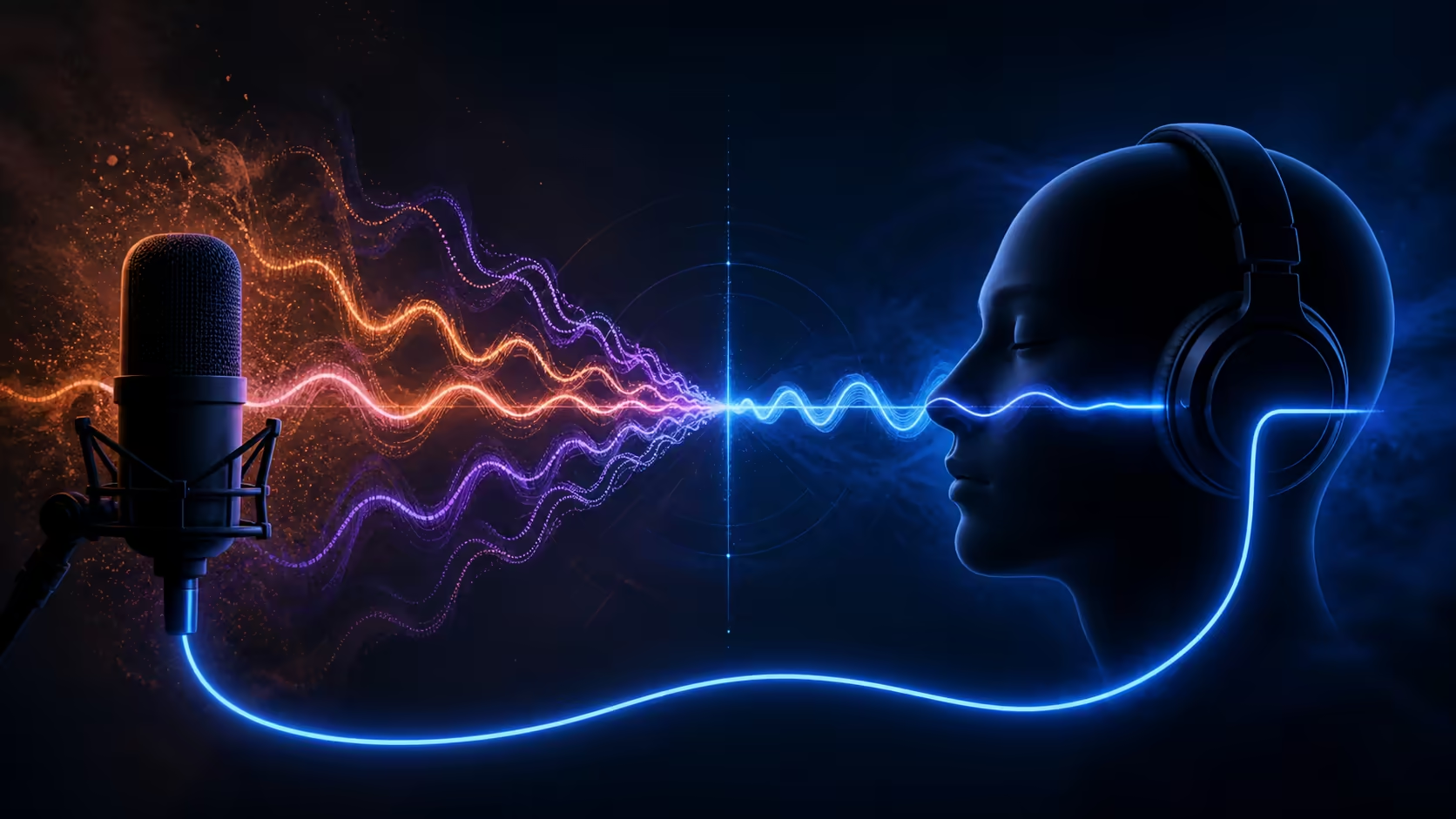
Microphone-side monitoring follows a short path from input to connected headphones. Software monitoring sends sound into the computer, through an application and back to a listening device. Processing and buffering on that longer path can create a noticeable delay.
Separate voice-return delay from all other timing problems. If your own speech feels late but game sound is normal, direct monitoring addresses the relevant route. If an entire call or video is delayed, investigate that application separately. Evetech's microphone selection lets buyers compare monitoring connections before choosing a device.
🎧 Establish comfortable immediate feedback
Plug compatible headphones into the microphone and lower any duplicate software return. Set a moderate monitoring volume, speak a complete paragraph and check whether the urge to slow down or stutter disappears.
Listen for distance and breath behaviour as well as timing. Immediate sound can train steadier technique, but an over-loud feed may cause you to speak too softly. Keep the headphone level comfortable for the intended session length.
🧪 Confirm what the application records
Direct monitoring proves that you can hear the input promptly; it does not prove the streaming or call program selected the correct device. Capture a short file in the target software and replay it after testing the live feed.
If the file remains delayed relative to video or other sources, adjust the application's timing route rather than changing microphone position. Change one setting at a time and use a clear hand clap or spoken count as a reference.
🎮 Keep game and call playback distinct
The microphone's 3.5mm jack supports its monitoring feature, while the exact mix of computer sound depends on routing. A suitable product from Evetech's gaming headset range can support private listening, but test how the chosen setup carries both voice feedback and application audio.
One-touch mute remains useful during the test. Make sure the monitored state and the recorded state behave as expected before relying on the route live.
⏱️ Measure the problem with a simple count
Say the numbers one to five at an even pace while listening first to the suspected delayed return and then to microphone-side monitoring. If the first route causes hesitation but the second feels natural, the comparison has isolated the voice-feedback problem. Keep all unrelated game and music sound low during this test.
Next, record a spoken count while tapping a finger where the camera can see it. Replay the file and compare the visible tap with the captured sound. This checks recorded timing separately from what you felt in the headphones, preventing a comfortable monitor feed from hiding an application synchronisation issue.
🧰 Avoid creating two voice returns
Disable or lower the software monitor after the direct feed is working. Hearing immediate and delayed copies together produces a distracting echo-like effect. Check the streaming application, recording tool and operating-system listening controls because more than one can create a return path.
Save the working route in a short setup note: headphone connection, selected microphone, software-monitor state and application input. This makes it much easier to recover after an update changes one part of the path.
Test delay under the complete workload
Run the game, stream encoder or meeting software that normally shares the computer. Speak a numbered sequence while watching a simple visual action, then save and replay it. A route that feels immediate on an empty desktop can behave differently when the full application mix is active.
Keep the direct microphone feed as the technique reference and treat recorded synchronisation separately. If the saved voice trails the picture, adjust the application's timing controls in a controlled copy of the scene rather than adding delay to the headphone return.
Repeat after sleep and reconnect. USB device order can change, so confirm the Blast 50 remains the chosen input and that a software monitor has not been enabled again.
Keep one timing reference project with the spoken count, visible tap and correct routing. It gives future driver or application changes a controlled comparison instead of relying on memory of how the delay felt.
Run the timing count again after reconnecting the USB microphone, and compare it with the saved reference project.
Frequently Asked Questions
Why can hearing a delayed version of my voice disrupt speech?
The late return conflicts with the timing of natural speech, making pace and articulation harder to control.
How does microphone-side monitoring change the route?
It feeds microphone input to headphones connected at the device, avoiding a longer trip through recording software.
Will direct monitoring fix delayed game or call audio too?
No. It addresses your microphone feedback. Other playback delays must be traced within their own application or system route.
Where should the headphones connect for this method?
Connect them to the Blast 50's 3.5mm jack. Keep the monitoring volume at a comfortable level.
Why should I still make a short recording afterwards?
Playback confirms what the chosen program captured, including its selected device, processing and timing.
Which Blast 50 connection supports this approach?
Its 3.5mm headphone jack provides real-time monitoring. The wired USB 2.0 Type-A connection sends microphone audio to the computer for R299.
Ready to hear your words at the moment you actually say them? Compare Evetech's monitored microphones and private-listening options, then test voice return and application playback as two separate routes.