A 750W power supply can power a desktop used by two businesses when the complete component load fits its documented capacity, but wattage does not make business software more reliable. Accounting, communication and customer records usually run on modest hardware. Security, separation and recovery matter more.
Design the business computer first
List every application, monitor, printer, scanner and external drive. Decide whether the two companies need separate user profiles, encrypted storage or different administrator access. The ASUS ExpertBook P1503 with Core i5-13420H, 8GB memory and 512GB storage is a verified laptop reference at R9,858 and avoids a separate desktop PSU, subject to software, memory and port checks.
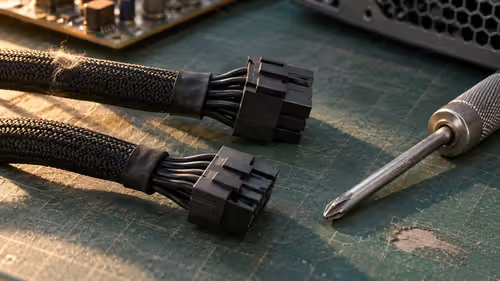
For a tower, the DeepCool PF750 is a verified 750W reference at R550. Compare current protections, efficiency, connectors, form factor and warranty. Capacity should follow the final processor and graphics card. A much larger unit than the system needs does not protect records from deletion, account compromise or software failure.
Use separate business accounts, multifactor authentication and approved backups for each company. Test restoring invoices, contacts and current projects. Keep a fallback route for client communication and schedule hardware work between deadlines. Ask a qualified electrician to inspect unsafe outlets and assess suitable power protection separately. Buy 750W when a named graphics workload or upgrade path justifies it. For ordinary dual-business administration, a supported laptop or compact PC may reduce heat, complexity and downtime while preserving clearer data separation.
Choosing a two-business computer? > Compare verified laptops with Evetech around software, ports and data separation.