Building a new rig in South Africa? You have probably stared at the back I/O panel in total confusion. All those oval-shaped ports look completely identical... but they behave very differently. Want to connect high-speed storage or dual 4K monitors? You need a clear breakdown of Thunderbolt 4 and USB Type-C on modern gaming motherboards. Let us decode the tech jargon so you can build smarter.
Understanding the USB Type-C Confusion
First, we need to separate the physical shape from the speed. USB Type-C is simply the physical design of the connector. It is not a speed standard on its own. That tiny oval port could be running older, much slower USB protocols... or it could be a blazing-fast Thunderbolt connection. This distinction makes checking the spec sheet crucial when you buy motherboards for your desktop build. Do not let the shape fool you.
What Makes Thunderbolt 4 Different? ⚡
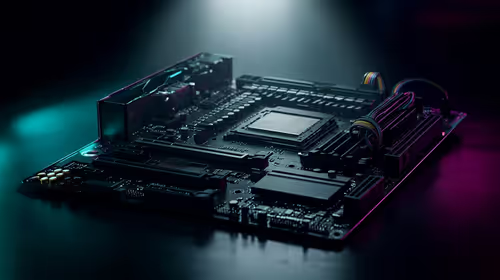
Thunderbolt 4 guarantees premium performance and strict minimum standards. Developed by Intel, it promises a massive 40Gbps of bidirectional bandwidth. It natively supports dual 4K displays and provides reliable power delivery. If you are a content creator moving massive raw video files, this speed is absolutely vital. You will easily find these premium, certified ports featured heavily on high-end ASUS Intel motherboards.
Cable Matters ⚡
Not all USB-C cables are created equal. To get full Thunderbolt 4 speeds, you need a certified active cable. A cheap generic cable might only give you basic USB 2.0 speeds and slow charging. Always check the logo printed on the connector housing before plugging in.
AMD and the Rise of USB4
For a long time, Thunderbolt was strictly an Intel-exclusive feature. Today, the tech landscape has shifted significantly. AMD users now have access to the USB4 standard... which is built on the same underlying technology as Thunderbolt 3. This levels the playing field. If you proudly support Team Red, you can still get that sweet 40Gbps transfer speed on top-tier ASUS AMD motherboards. You no longer have to compromise on connectivity just because of your processor choice.
Why High-Speed Ports Matter for Gaming 🚀
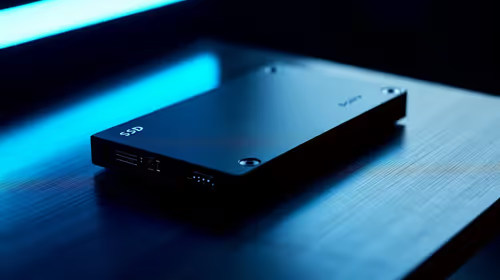
Average gamers might wonder why port speed actually matters. It ultimately comes down to modern peripherals and external storage demands. Fast storage is the future of gaming. Modern AAA games are massive... often exceeding 150GB per title. Moving a game to a portable NVMe SSD takes mere minutes with Thunderbolt 4... but hours on legacy ports.
When you invest your hard-earned ZAR into the best gaming PC deals, you want a system that lasts for years. Future-proofing your rear I/O is just as important as upgrading your graphics card.
Balancing Your Build Budget 🔧
Premium motherboards equipped with Thunderbolt 4 do cost more upfront. You need to balance this premium feature with your other core components. Do you really need 40Gbps speeds? A standard USB 3.2 Gen 2x2 Type-C port still offers a respectable 20Gbps. You could easily save money on the motherboard. Allocate that remaining budget to faster storage or premium desktop memory kits to significantly boost your in-game frame rates.
Ready to Future-Proof Your Setup?
Having the right ports means zero bottlenecks for your peripherals and storage. Explore our massive range of motherboards and find the perfect foundation to conquer your world.