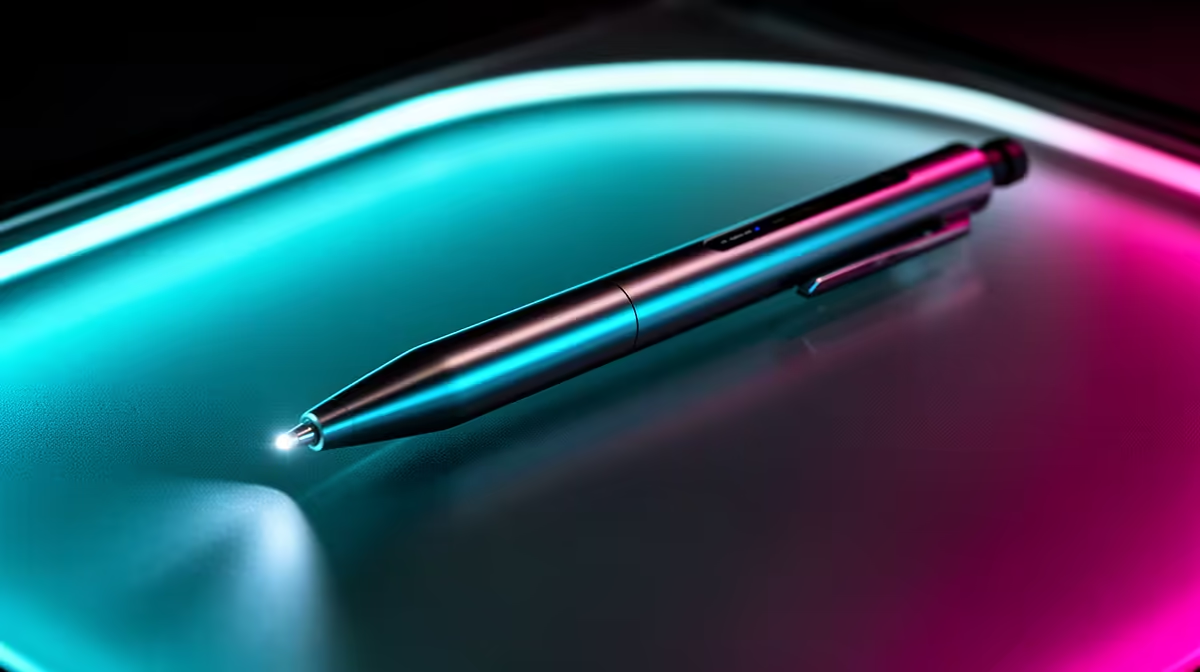
Two options can look close until digital sketching exposes the weaker one. With active versus passive styluses, start by asking which side protects less correction time without creating battery interruption.
Quick Answer
The practical answer for active versus passive styluses is to match active DAC recognition, passive adapter compatibility and 1 mm stroke alignment to your main device first. With active versus passive styluses, clear support beats vague claims before changing accessories.
Compare Active versus Passive Styluses In Real Use
Begin with the device chain you already use for active versus passive styluses. If active DAC recognition is unclear, the rest of the comparison becomes guesswork, especially when digital sketching demands less correction time. Check passive adapter compatibility for active versus passive styluses on the actual phone, laptop, console or desk where the product will live. For local note-takers, 1 mm stroke alignment is the detail that often decides whether battery interruption stays away.
Specs That Separate The Two Choices For Active versus Passive Styluses
Do not separate comfort from compatibility when judging active versus passive styluses. A product can list active DAC recognition and still feel wrong if passive adapter compatibility is awkward on your device or if 1 mm stroke alignment adds friction to photo edits. For active versus passive styluses, local buyers may use the same gear across work, study and entertainment, so the practical winner travels between those roles cleanly. With active versus passive styluses, that matters more than a rarely used feature.
Which Side Fits Digital Sketching For Active versus Passive Styluses
Keep the decision grounded in the first week of ownership for active versus passive styluses. You will notice active DAC recognition and passive adapter compatibility quickly, but 1 mm stroke alignment decides whether the product stays convenient after the novelty fades. For digital sketching, choose the model that removes the most friction with the least extra setup. For active versus passive styluses, that is usually better than chasing the longest feature list.
Shortlist active versus passive styluses by the problem it solves first, then use active DAC recognition, passive adapter compatibility and 1 mm stroke alignment to separate close options.
FAQ
How should I compare Active versus Passive Styluses without overthinking it for Digital Sketching?
Compare active versus passive styluses by active DAC recognition, passive adapter compatibility and how each option behaves in digital sketching. The better choice for active versus passive styluses should reduce battery interruption, not only add another listed feature.
Is the newer-looking option always better for Active versus Passive Styluses when Active Dac Recognition matters in Digital Sketching?
No. A newer-looking product is only better for active versus passive styluses if 1 mm stroke alignment and device support improve less correction time in your actual setup.
What is the tie-breaker for Active versus Passive Styluses with Passive Adapter Compatibility in Digital Sketching?
For active versus passive styluses, use comfort and compatibility as the tie-breaker. If passive adapter compatibility is clearer on one option, that model is usually easier to live with during photo edits.