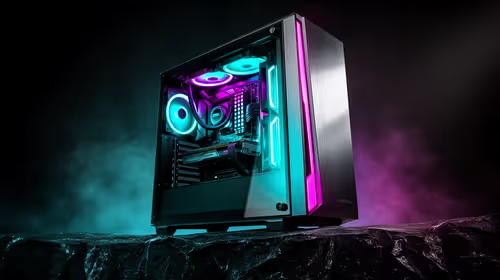
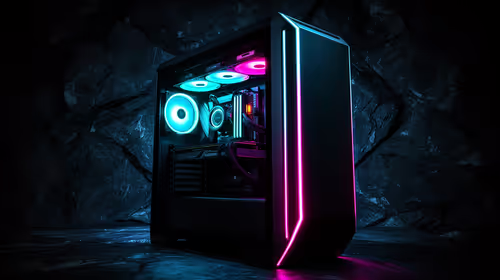
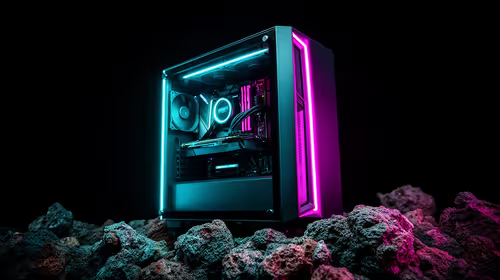
Is your gaming rig sounding more like a jet engine during a heated Warzone match on a hot day in the Highveld? You're not alone. Many powerful PCs struggle with heat, leading to thermal throttling and dropped frames right when you need them most. The secret isn't always more fans; it's smarter fan placement. This guide to AirGuide airflow optimization will show you how to cool your components effectively, ensuring smooth, quiet performance. 🚀
Understanding PC Airflow Fundamentals
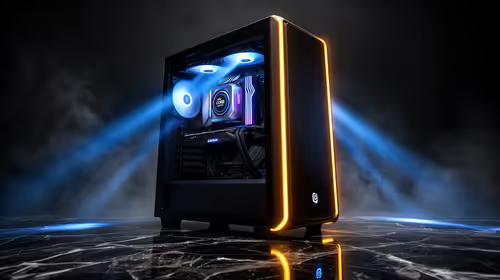
Before we start placing fans, let's cover the basics. The goal of airflow optimization is simple: get cool air in, and get hot air out. Your PC case works like a wind tunnel. Cool air should enter from the front and bottom, pass over your hottest components like the CPU and GPU, and exit through the back and top. This creates a consistent path, preventing hot air from lingering and cooking your hardware.
There are three main pressure setups:
- Positive Pressure: More intake fans than exhaust fans. This pushes air out of every crack and crevice, which helps reduce dust buildup.
- Negative Pressure: More exhaust fans than intake. This pulls air in from every opening, which can lead to more dust but can be effective at targeted heat removal.
- Balanced Pressure: An equal amount of intake and exhaust, creating a neutral and efficient airflow path. This is the ideal for most gaming rigs, from entry-level budget gaming PCs to high-end custom builds.
A Practical Fan Placement Guide
Achieving optimal AirGuide airflow optimization is all about strategy. It’s not just about slapping fans wherever they fit. For most standard PC cases, a simple and effective fan placement guide is your best bet for keeping those temperatures down, whether you're running on team blue with an Intel-powered PC or team red with a powerful AMD Ryzen machine.
The Ideal Fan Configuration
Here’s a blueprint for a classic, high-performance setup:
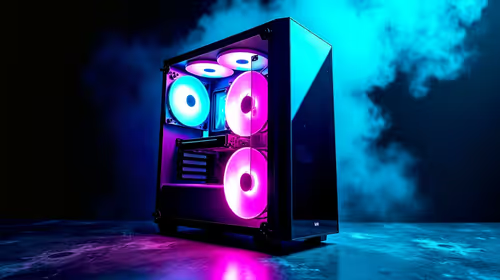
- Front Intake: Mount two or three fans at the front of your case, pulling cool air into the system. This initial blast of fresh air is crucial for cooling your primary components.
- Rear Exhaust: Place one fan at the back of the case, near the CPU cooler. This fan is essential for expelling the hot air generated by your processor.
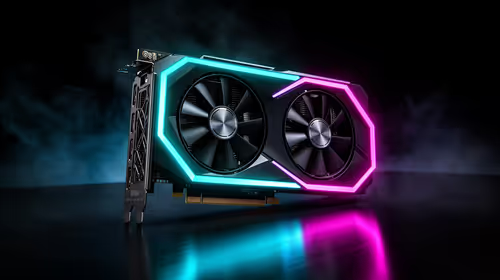
- Top Exhaust: Install one or two fans at the top of the case. Since heat naturally rises, these fans act as a chimney, efficiently removing hot air from your GPU and the rest of the system. This is especially important for powerful NVIDIA GeForce gaming PCs that can generate significant heat.
This setup creates a clear, unobstructed path for air to travel through your PC, from front-to-back and bottom-to-top. It's a proven method used in many of our best pre-built PC deals.
Check Your Fan Direction! 🔧
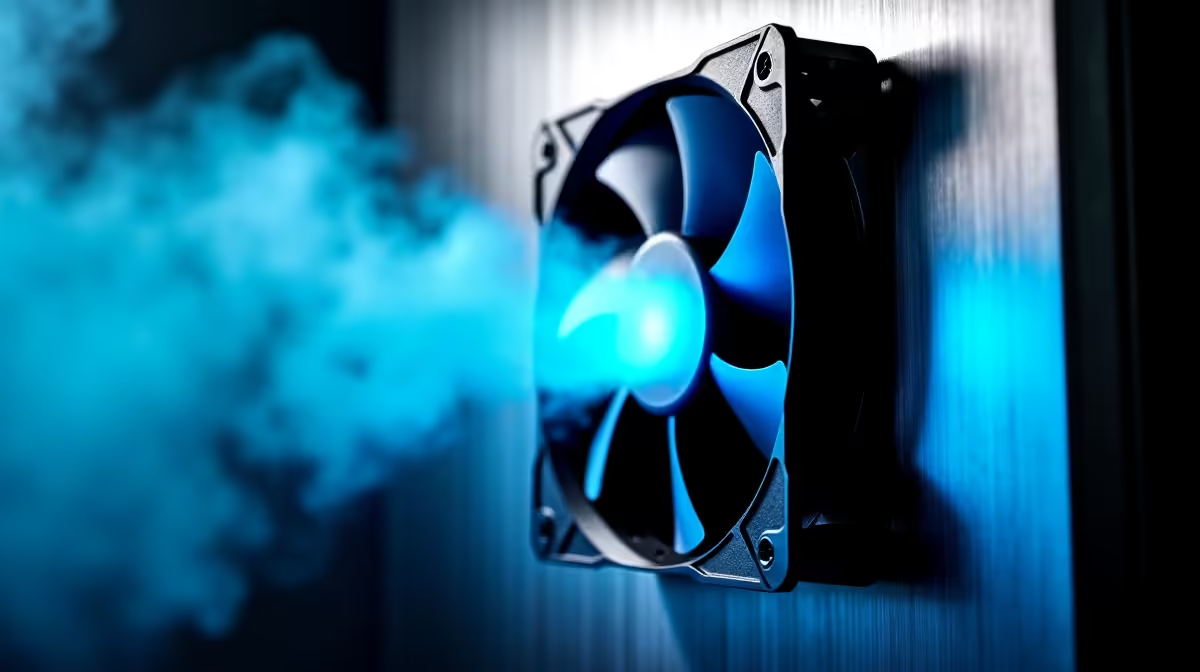
Fans have arrows on the side indicating airflow direction. The 'open' face is typically the intake side, while the side with the frame and motor hub is the exhaust. Always double-check before you screw them in!
Beyond Fan Placement: Other Cooling Factors
While a solid fan placement guide is your first step, other elements contribute to a cool and quiet rig. Clean cable management isn't just for looks; it prevents stray cables from blocking airflow. The type of components you choose also matters. For instance, the latest DDR5 gaming PCs can run hotter, demanding better cooling solutions.
Even powerful AMD Radeon gaming PCs benefit immensely from a well-thought-out cooling strategy. This principle of efficient cooling is just as vital for demanding workstation PCs as it is for gaming rigs. Whether you're building a monster PC above R20k or an affordable machine with PCs under R20k, mastering airflow is key to unlocking its full potential. ✨
Ready for a Cooler, Faster PC?
Don't let heat throttle your performance. Explore our range of expertly built gaming PCs with optimised airflow right out of the box. Shop now at Evetech for performance that leaves lag in the dust.